
Obadiah
Obadiah was a prophet who delivered a message of judgment against the nation of Edom.
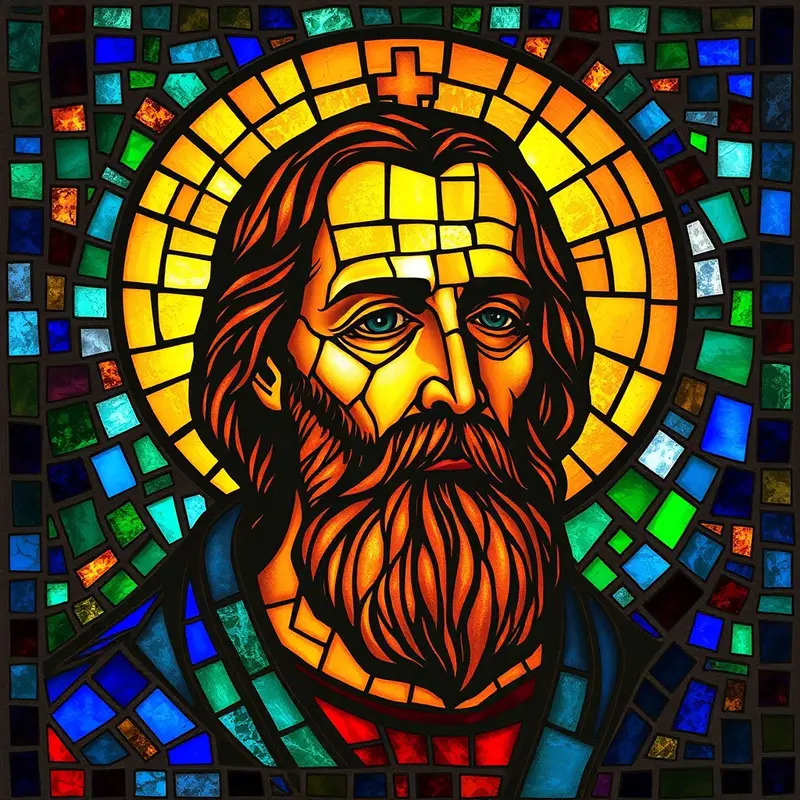
Biography
Obadiah the prophet authored the shortest book in the Old Testament, a single chapter of twenty-one verses delivering a devastating oracle against the nation of Edom. Writing likely in the aftermath of Jerusalem's destruction by Babylon in 586 BC, Obadiah condemned the Edomites, descendants of Esau, for their treachery against their brother nation Judah during its darkest hour. Rather than offering aid, Edom had gloated over Jerusalem's fall, looted its wealth, and handed over fleeing survivors to the Babylonians (Obadiah 1:10-14). The prophet declared that God would bring total destruction upon Edom for this betrayal, while simultaneously proclaiming the future restoration of Israel and the establishment of God's kingdom: "The kingdom will be the Lord's" (Obadiah 1:21).
Significance
Obadiah's prophecy carries profound theological weight as a declaration of divine justice against nations that exploit God's people in their vulnerability. The Edom-Israel conflict, rooted in the Jacob-Esau rivalry of Genesis, serves as a paradigm for the cosmic struggle between those who oppose God's purposes and those who belong to His covenant. Obadiah's message that pride precedes divine judgment (Obadiah 1:3-4) establishes a principle echoed throughout Scripture. His closing vision of God's kingdom triumphing over all opposition contributes to the prophetic expectation of the Day of the Lord, connecting the ancient conflict with Edom to the eschatological hope of God's ultimate sovereignty over all nations and the vindication of His people.
Verse Appearances (1)
Nehemiah
References
- Orr, J. (ed.) (1915) The International Standard Bible Encyclopedia. Chicago: Howard-Severance Company. [Public Domain]
- Tyndale House, Cambridge (n.d.) Translators Individualised Proper Names with all References (TIPNR). STEPBible. Available at: https://www.stepbible.org. [CC BY 4.0]
- Wikidata contributors (n.d.) Wikidata. Available at: https://www.wikidata.org. [CC0]
- Church of England (1769) The Holy Bible, Authorized (King James) Version. [Public Domain]