
Paarai
Paarai the Arbite was one of David's mighty men, known for his military prowess.
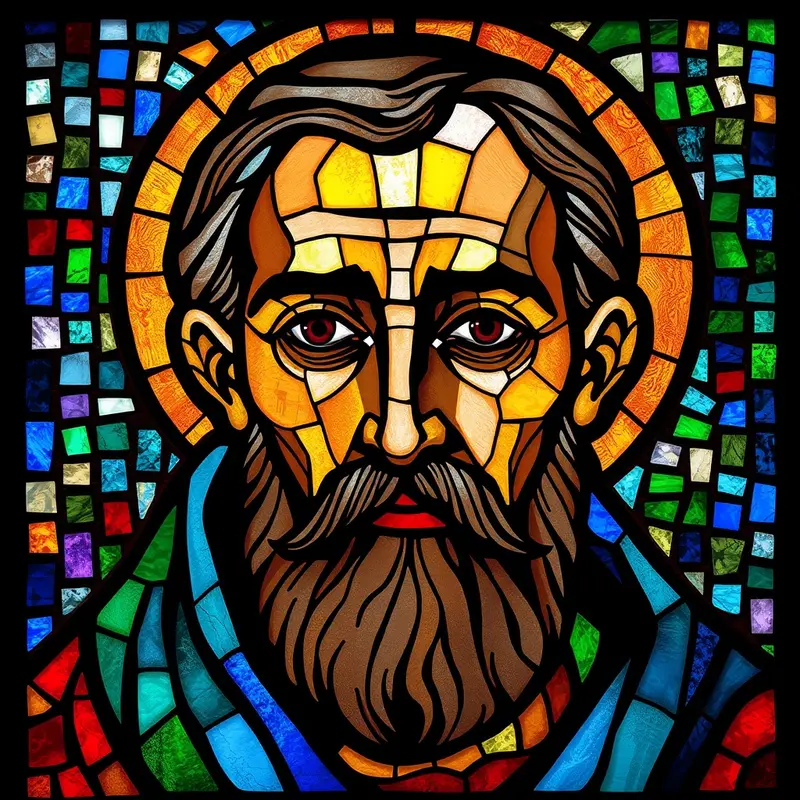
Biography
Paarai the Arbite was one of the elite warriors counted among David's mighty men, listed in the catalog of heroes found in 2 Samuel 23:35. His designation 'the Arbite' indicates he originated from Arab, a town in the hill country of Judah mentioned in Joshua 15:52. In the parallel list of 1 Chronicles 11:37, he appears under the name Naarai son of Ezbai, a variation likely arising from textual transmission over centuries. As one of David's select fighting force, Paarai belonged to a brotherhood of exceptional soldiers who distinguished themselves through extraordinary acts of valor during David's wars of consolidation and defense. These warriors formed the backbone of David's military apparatus, providing both personal protection for the king and elite strike capability on the battlefield during Israel's transformation into a regional power.
Significance
Paarai's inclusion among David's mighty men illustrates the diverse geographic origins of those who rallied to David's cause, drawn from towns and villages across Judah and beyond. The mighty men represent a theological motif of God assembling a faithful remnant around His chosen king, a pattern that prefigures the gathering of disciples around Christ. Paarai's service demonstrates that extraordinary devotion to God's anointed leader can elevate otherwise obscure individuals to lasting honor in Scripture. The careful preservation of his name across centuries of biblical transmission affirms that faithful service to God's purposes, even in a military capacity, receives divine recognition and memorial within the sacred record.
Verse Appearances (1)
2Sam
References
- Orr, J. (ed.) (1915) The International Standard Bible Encyclopedia. Chicago: Howard-Severance Company. [Public Domain]
- Tyndale House, Cambridge (n.d.) Translators Individualised Proper Names with all References (TIPNR). STEPBible. Available at: https://www.stepbible.org. [CC BY 4.0]
- Wikidata contributors (n.d.) Wikidata. Available at: https://www.wikidata.org. [CC0]
- Church of England (1769) The Holy Bible, Authorized (King James) Version. [Public Domain]