
Pashhur
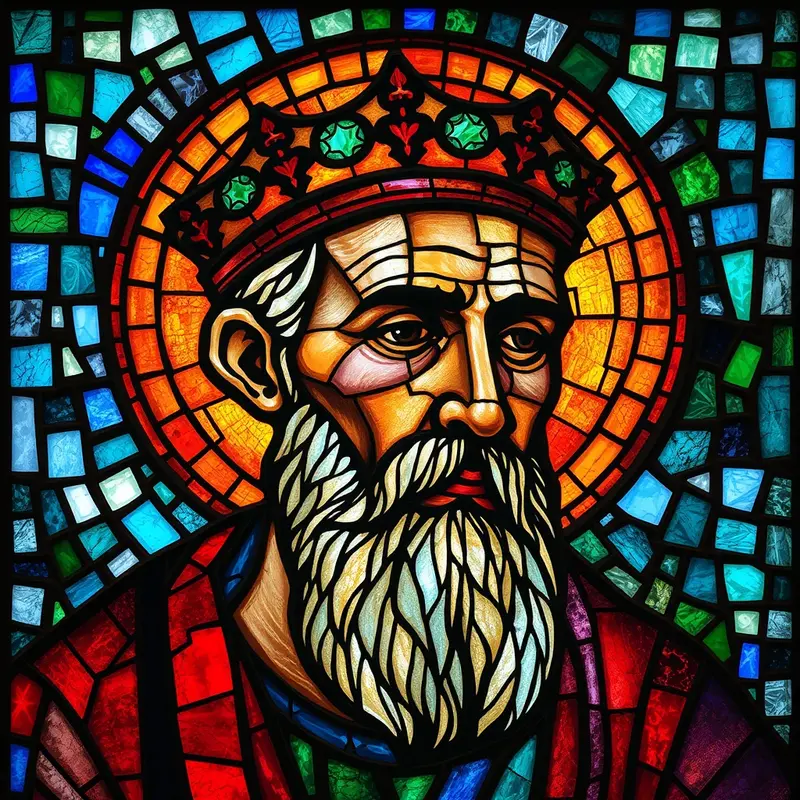
Pashhur, a priest King Zedekiah sent to inquire of Jeremiah.
Biography
Pashhur son of Malchijah was a prominent priest serving in Jerusalem during the final years of the kingdom of Judah under King Zedekiah. When Nebuchadnezzar's Babylonian army besieged Jerusalem, Zedekiah dispatched Pashhur along with Zephaniah the priest to consult the prophet Jeremiah, hoping for a word of deliverance from the LORD (Jeremiah 21:1-2). Jeremiah's response was devastating: God Himself would fight against Judah, and the city would fall to Babylon. Pashhur also appears among the officials who later sought to have Jeremiah put to death for his prophecies of surrender, accusing the prophet of weakening the morale of the soldiers and people (Jeremiah 38:1-4). His actions reflect the tension between institutional religion and prophetic truth during Judah's darkest hour.
Significance
Pashhur son of Malchijah exemplifies the failure of religious leadership when it prioritizes political expediency over divine truth. Sent by King Zedekiah to seek a favorable oracle, he instead received an uncompromising word of judgment. His subsequent effort to silence Jeremiah reveals how established religious authorities can become instruments of persecution against God's authentic messengers. Pashhur's story warns that proximity to sacred office does not guarantee alignment with God's purposes. His opposition to Jeremiah stands as a cautionary example of how institutional power can be wielded against prophetic voices, a pattern that recurs throughout Scripture and culminates in the religious establishment's rejection of Jesus Christ.
Verse Appearances (4)
References
- Orr, J. (ed.) (1915) The International Standard Bible Encyclopedia. Chicago: Howard-Severance Company. [Public Domain]
- Tyndale House, Cambridge (n.d.) Translators Individualised Proper Names with all References (TIPNR). STEPBible. Available at: https://www.stepbible.org. [CC BY 4.0]
- Wikidata contributors (n.d.) Wikidata. Available at: https://www.wikidata.org. [CC0]
- Church of England (1769) The Holy Bible, Authorized (King James) Version. [Public Domain]