
Pashhur
Pashhur, a priest who opposed Jeremiah and was renamed Magor-missabib, meaning "terror on every side."
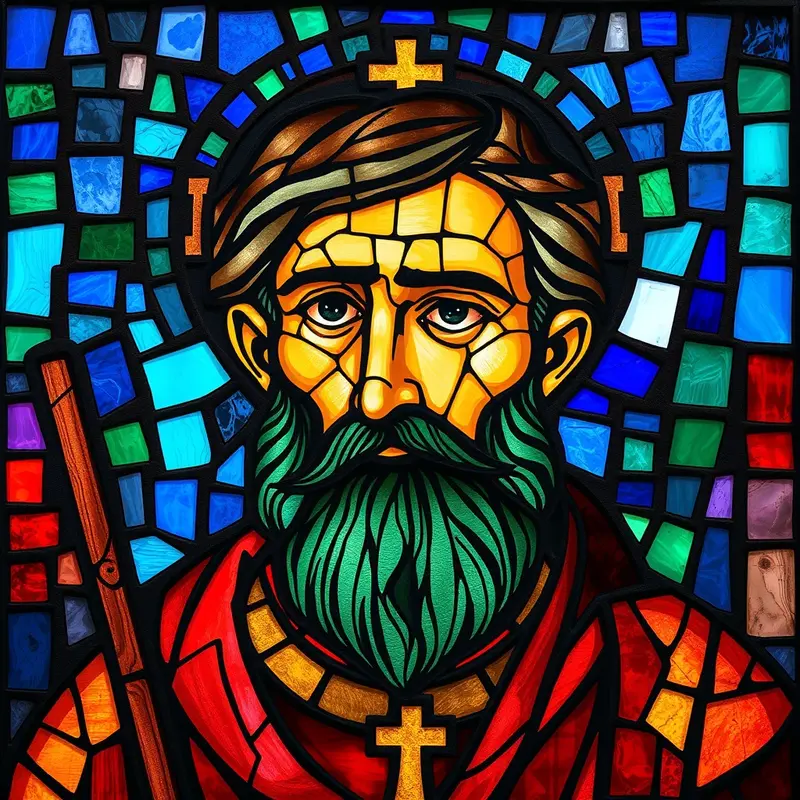
Biography
Pashhur son of Immer was a priest and chief officer in the temple of Jerusalem who became one of the prophet Jeremiah's most notable antagonists. After hearing Jeremiah prophesy the destruction of Jerusalem in the temple courts, Pashhur had the prophet beaten and placed in stocks at the Upper Benjamin Gate overnight (Jeremiah 20:1-2). Upon Jeremiah's release the following day, the prophet delivered a devastating oracle: Pashhur's name would be changed to Magor-Missabib, meaning "terror on every side," signifying that he would witness the destruction of everything he held dear. Jeremiah declared that Pashhur himself would be carried into exile in Babylon, where he would die and be buried, along with all those to whom he had prophesied falsely (Jeremiah 20:3-6).
Significance
Pashhur son of Immer stands as one of Scripture's most vivid illustrations of the consequences of opposing God's word. His symbolic renaming to Magor-Missabib, "terror on every side", transformed him from a powerful temple official into a living prophecy of coming judgment. By persecuting Jeremiah, Pashhur aligned himself against God's purposes and became an embodiment of the very catastrophe he refused to acknowledge. His story powerfully demonstrates that religious authority used to suppress divine truth becomes self-destructive. The narrative also reveals the personal cost of prophetic ministry, as Jeremiah's lament in the verses following this encounter (Jeremiah 20:7-18) contains some of the most anguished words in all of Scripture.
Verse Appearances (1)
Jeremiah
References
- Orr, J. (ed.) (1915) The International Standard Bible Encyclopedia. Chicago: Howard-Severance Company. [Public Domain]
- Tyndale House, Cambridge (n.d.) Translators Individualised Proper Names with all References (TIPNR). STEPBible. Available at: https://www.stepbible.org. [CC BY 4.0]
- Wikidata contributors (n.d.) Wikidata. Available at: https://www.wikidata.org. [CC0]
- Church of England (1769) The Holy Bible, Authorized (King James) Version. [Public Domain]