
Pharaoh
Pharaoh, the Egyptian ruler who oppressed the Israelites and decreed the killing of Hebrew male infants during the time of Moses' birth.
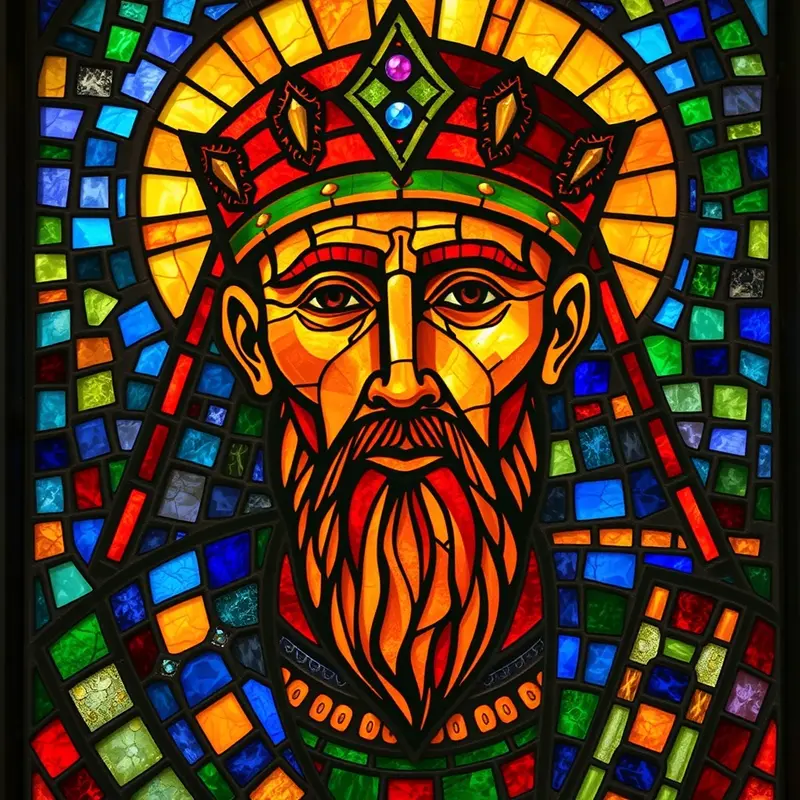
Biography
This Pharaoh, often identified as a ruler of Egypt's Eighteenth or Nineteenth Dynasty, presided over the initial period of Israelite oppression described in Exodus 1. Alarmed by the rapid growth of the Hebrew population, he implemented a systematic program of forced labor, compelling the Israelites to build the store cities of Pithom and Rameses (Exodus 1:11). When harsh servitude failed to curb their numbers, he escalated to genocide, first commanding the Hebrew midwives Shiphrah and Puah to kill male infants at birth, then issuing a public decree that every newborn Hebrew boy be cast into the Nile (Exodus 1:16, 22). It was during this reign of terror that Moses was born, hidden by his mother, and ultimately rescued by Pharaoh's own daughter, who raised him as an Egyptian prince. Acts 7:19-21 recounts this narrative in Stephen's address.
Significance
This Pharaoh represents the first great antagonist of God's covenant people, inaugurating a pattern of imperial oppression that recurs throughout Scripture. His genocidal decree, intended to extinguish Israel, instead set in motion the very circumstances through which God raised up their deliverer. The divine irony is profound: Moses was educated in Pharaoh's own court, trained with the skills and knowledge that would later be turned against Egyptian power. Theologically, this Pharaoh's tyranny demonstrates that human attempts to thwart God's purposes invariably become the means by which those purposes advance. The midwives' courageous defiance establishes an early biblical precedent for civil disobedience when human authority conflicts with divine command.
Verse Appearances (11)
References
- Orr, J. (ed.) (1915) The International Standard Bible Encyclopedia. Chicago: Howard-Severance Company. [Public Domain]
- Tyndale House, Cambridge (n.d.) Translators Individualised Proper Names with all References (TIPNR). STEPBible. Available at: https://www.stepbible.org. [CC BY 4.0]
- Wikidata contributors (n.d.) Wikidata. Available at: https://www.wikidata.org. [CC0]
- Church of England (1769) The Holy Bible, Authorized (King James) Version. [Public Domain]