
Phinehas
Phinehas, the son of Eli the priest, was known for his wickedness and died in battle against the Philistines along with his brother Hophni.
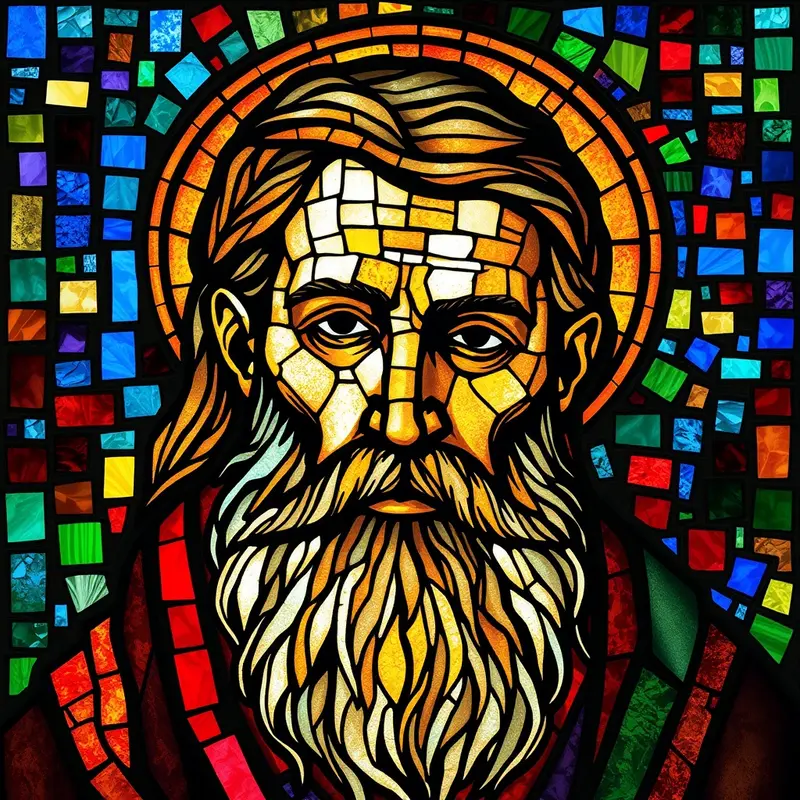
Biography
Phinehas, son of the priest Eli, served alongside his brother Hophni at the tabernacle in Shiloh during the closing years of the judges' period. Despite their priestly office, both brothers were described as "worthless men" who did not know the Lord (1 Samuel 2:12). They abused their sacred duties by seizing the best portions of sacrificial offerings before they were properly presented to God and by committing sexual immorality with women who served at the tabernacle entrance (1 Samuel 2:13-17, 22). Their corruption provoked divine judgment: a man of God prophesied the downfall of Eli's house (1 Samuel 2:27-36). The prophecy was fulfilled when both Phinehas and Hophni were killed on the same day in battle against the Philistines at Aphek, where the Ark of the Covenant was also captured (1 Samuel 4:10-11).
Significance
Phinehas son of Eli serves as a sobering warning about the consequences of spiritual privilege without genuine devotion. His story demonstrates that hereditary office and proximity to sacred things offer no protection when the heart is far from God. The death of Phinehas and the capture of the Ark marked the end of an era, as God's glory departed from Shiloh (1 Samuel 4:21-22). His wife's dying words, naming their son Ichabod ("the glory has departed"), became a lasting symbol of divine judgment upon corrupt religious leadership. This narrative prepared the way for Samuel's prophetic ministry and the eventual establishment of a new priestly order, underscoring God's insistence on holiness among those who serve Him.
Verse Appearances (7)
References
- Orr, J. (ed.) (1915) The International Standard Bible Encyclopedia. Chicago: Howard-Severance Company. [Public Domain]
- Tyndale House, Cambridge (n.d.) Translators Individualised Proper Names with all References (TIPNR). STEPBible. Available at: https://www.stepbible.org. [CC BY 4.0]
- Wikidata contributors (n.d.) Wikidata. Available at: https://www.wikidata.org. [CC0]
- Church of England (1769) The Holy Bible, Authorized (King James) Version. [Public Domain]