
Piram
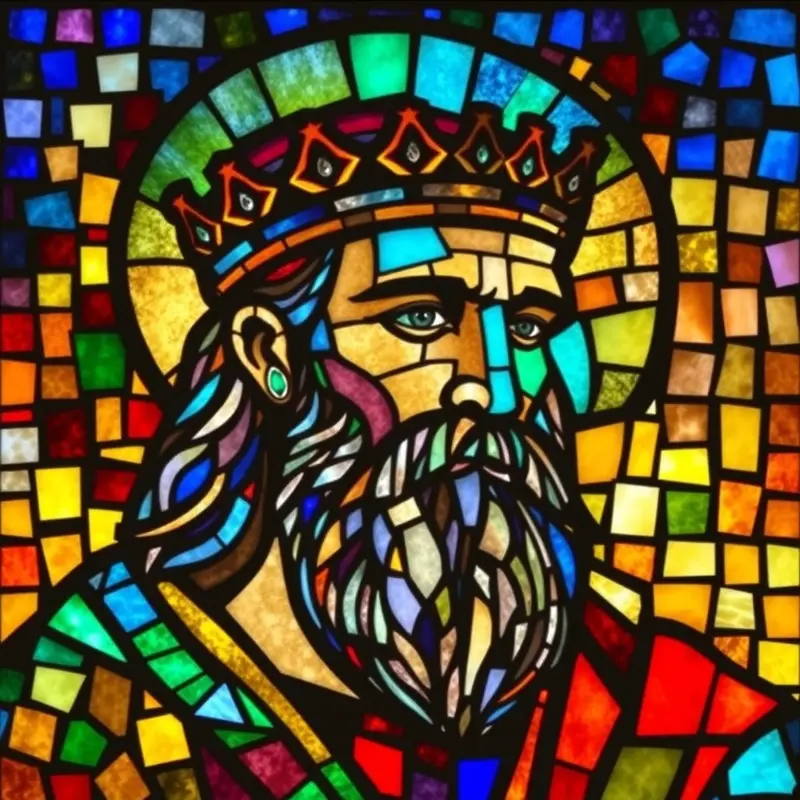
Piram, the Amorite king of Jarmuth, who joined a coalition against Joshua and the Israelites.
Biography
Piram was the king of Jarmuth, an ancient Amorite city located in the Shephelah (lowland foothills) of Judah. When the Gibeonites made a peace treaty with Joshua and the Israelites through deception, Piram joined a coalition of five Amorite kings organized by Adoni-zedek of Jerusalem (Joshua 10:1-5). The alliance included the kings of Hebron, Lachish, and Eglon, who together marched against Gibeon to punish it for defecting to Israel. Joshua responded by leading a forced overnight march from Gilgal and launching a surprise attack. God intervened with hailstones and the miraculous prolongation of daylight (Joshua 10:10-14). Piram and the other four kings fled and hid in a cave at Makkedah, where they were discovered, brought out, humiliated, executed, and their bodies hung on trees until evening (Joshua 10:16-27).
Significance
Piram's story is embedded within one of the Old Testament's most dramatic demonstrations of divine intervention on Israel's behalf. The coalition he joined against Gibeon inadvertently set the stage for God's comprehensive defeat of the southern Canaanite kings in a single campaign (Joshua 10). The miraculous hailstones and the sun standing still demonstrated that Israel's conquest was not merely a military endeavor but a divine act of judgment upon Canaan. Piram's defeat illustrates the futility of opposing God's declared purposes, the very alliance formed to resist Israel's advance became the mechanism for its acceleration. His execution at Makkedah served as a paradigmatic act of holy war, fulfilling the divine mandate to claim the promised land.
Verse Appearances (1)
Josh
References
- Orr, J. (ed.) (1915) The International Standard Bible Encyclopedia. Chicago: Howard-Severance Company. [Public Domain]
- Tyndale House, Cambridge (n.d.) Translators Individualised Proper Names with all References (TIPNR). STEPBible. Available at: https://www.stepbible.org. [CC BY 4.0]
- Wikidata contributors (n.d.) Wikidata. Available at: https://www.wikidata.org. [CC0]
- Church of England (1769) The Holy Bible, Authorized (King James) Version. [Public Domain]