
Potiphera
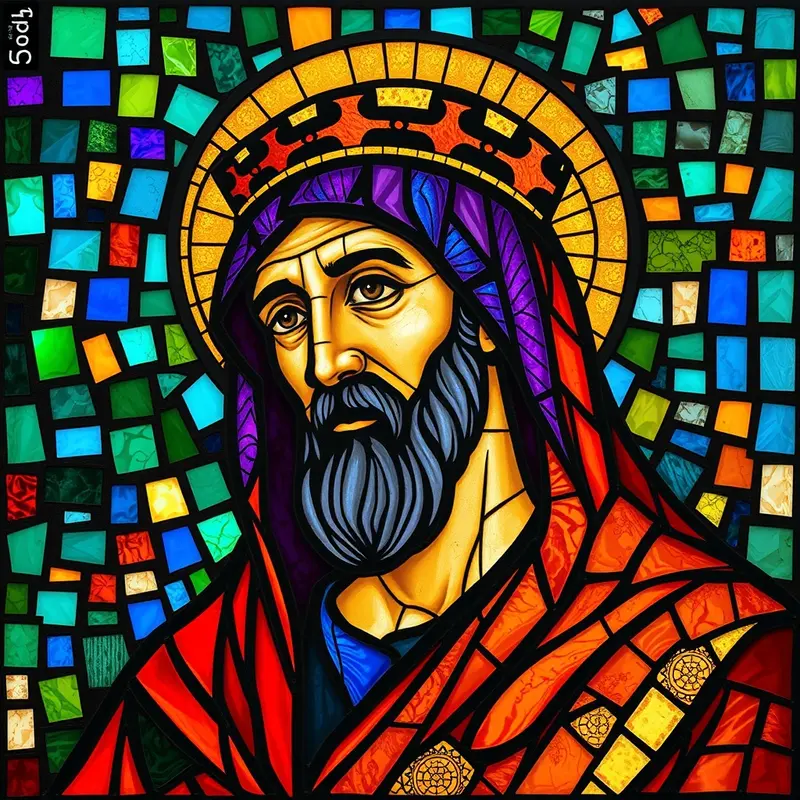
Potiphera, the priest of On (Heliopolis), whose daughter Asenath was given to Joseph as a wife by Pharaoh.
Biography
Potiphera served as the priest of On, the ancient Egyptian city of Heliopolis, which was the primary center of sun worship in Egypt. His name, meaning "he whom Ra has given," reflects his deep integration into Egyptian religious life. When Pharaoh elevated Joseph to the position of vizier over all Egypt, he gave Potiphera's daughter Asenath to Joseph as a wife (Genesis 41:45). This arranged marriage cemented Joseph's new status within Egyptian society and connected the Hebrew patriarch to one of Egypt's most prestigious priestly families. Through Asenath, Potiphera became the grandfather of Ephraim and Manasseh (Genesis 46:20), two sons who would become the ancestors of major Israelite tribes. His role, though brief in the narrative, bridges Egyptian and Israelite history at a pivotal moment.
Significance
Potiphera's significance lies in the way God used even pagan religious structures to advance His covenant purposes. Through the marriage of his daughter Asenath to Joseph, the priestly family of On became unexpectedly woven into the lineage of Israel. Ephraim and Manasseh, Potiphera's grandsons, received Jacob's blessing and became full tribes within Israel (Genesis 48). This demonstrates God's sovereign ability to work through foreign cultures and institutions to fulfill His promises. Potiphera also illustrates the theme of divine providence in the Joseph narrative, where what appeared to be mere political arrangement served God's deeper plan for preserving and multiplying His chosen people during their sojourn in Egypt.
Verse Appearances (3)
References
- Orr, J. (ed.) (1915) The International Standard Bible Encyclopedia. Chicago: Howard-Severance Company. [Public Domain]
- Tyndale House, Cambridge (n.d.) Translators Individualised Proper Names with all References (TIPNR). STEPBible. Available at: https://www.stepbible.org. [CC BY 4.0]
- Wikidata contributors (n.d.) Wikidata. Available at: https://www.wikidata.org. [CC0]
- Church of England (1769) The Holy Bible, Authorized (King James) Version. [Public Domain]