
Seraiah
Seraiah served as the high priest during the reign of King Zedekiah and was executed by the Babylonians after the fall of Jerusalem.
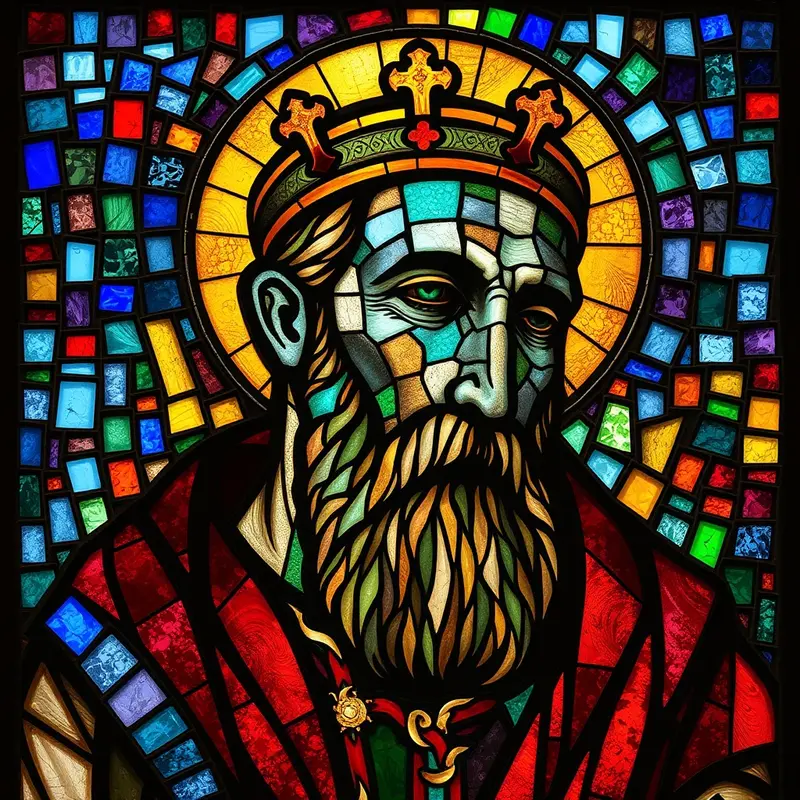
Biography
Seraiah served as the chief priest in Jerusalem during the final years of the kingdom of Judah under King Zedekiah. When Nebuchadnezzar's forces breached Jerusalem's walls in 586 BC, Seraiah was among the prominent officials seized at Riblah and brought before the Babylonian king. Along with the second priest Zephaniah and several temple officials, Seraiah was executed at Riblah by Nebuchadnezzar's command, as recorded in 2 Kings 25:18-21 and Jeremiah 52:24-27. His death marked the effective end of the First Temple priestly establishment. Seraiah was a descendant of the high-priestly line and an ancestor of Ezra, who is identified as a descendant of Seraiah in Ezra 7:1, giving this tragic figure a profound place in the chain of priestly succession.
Significance
Seraiah's execution at Riblah stands as one of the most sobering moments in the Hebrew Bible's account of divine judgment upon an apostate nation. His death, alongside the destruction of the temple, symbolized the catastrophic rupture in Israel's covenantal relationship with God. Yet the biblical narrative does not end in despair: Seraiah's descendant Ezra would return from exile to reestablish the law and priestly ministry in Jerusalem (Ezra 7). This lineage from martyred high priest to reforming scribe-priest illustrates the resilience of God's covenantal purposes. Even in judgment, the priestly line survived, ensuring that worship, Torah, and atonement would be restored when God's time of redemption arrived.
Verse Appearances (5)
References
- Orr, J. (ed.) (1915) The International Standard Bible Encyclopedia. Chicago: Howard-Severance Company. [Public Domain]
- Tyndale House, Cambridge (n.d.) Translators Individualised Proper Names with all References (TIPNR). STEPBible. Available at: https://www.stepbible.org. [CC BY 4.0]
- Wikidata contributors (n.d.) Wikidata. Available at: https://www.wikidata.org. [CC0]
- Church of England (1769) The Holy Bible, Authorized (King James) Version. [Public Domain]