
Sheleph
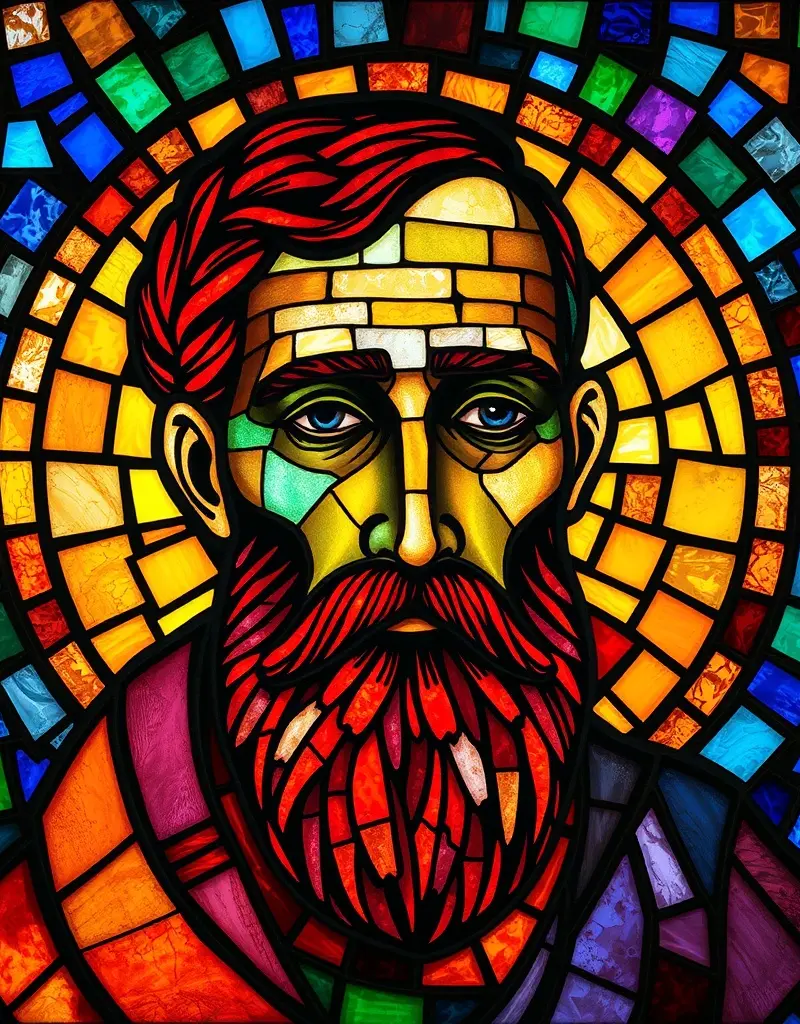
Sheleph, a son of Joktan and descendant of Shem.
Biography
Sheleph was a son of Joktan and a great-great-grandson of Shem, Noah's eldest son, recorded in the Table of Nations in Genesis 10:26 and its parallel in 1 Chronicles 1:20. Joktan fathered thirteen sons, each of whom is understood to represent the eponymous ancestor of a tribal or ethnic group in the Arabian peninsula. Sheleph is generally associated with the Salif or Shalfah tribe of South Arabia, in the region of modern Yemen. His name and those of his brothers in the Joktanite genealogy reflect the biblical understanding of the origin of Semitic peoples in the Arabian and Mesopotamian world following the dispersion of Noah's descendants after the Flood.
Significance
Sheleph's theological significance lies in his place within the Table of Nations (Genesis 10), which presents one of the most remarkable documents in ancient literature, a theological geography of humanity. Rather than privileging only Israel's ancestors, Genesis 10 traces the origin of all known nations from Noah's three sons, asserting a universal human solidarity rooted in a common origin. Sheleph and his Joktanite brothers represent the diversity of Semitic peoples shaped by God's providential ordering of human history after the Flood. This inclusive vision of humanity's origins anticipates the New Testament affirmation that God 'made from one man every nation of mankind' (Acts 17:26), underscoring the unity of the human family before God.
Verse Appearances (2)
Genesis
1 Chronicles
References
- Orr, J. (ed.) (1915) The International Standard Bible Encyclopedia. Chicago: Howard-Severance Company. [Public Domain]
- Tyndale House, Cambridge (n.d.) Translators Individualised Proper Names with all References (TIPNR). STEPBible. Available at: https://www.stepbible.org. [CC BY 4.0]
- Church of England (1769) The Holy Bible, Authorized (King James) Version. [Public Domain]