
Shem
Shem, one of Noah's three sons and the ancestor of the Semitic peoples.
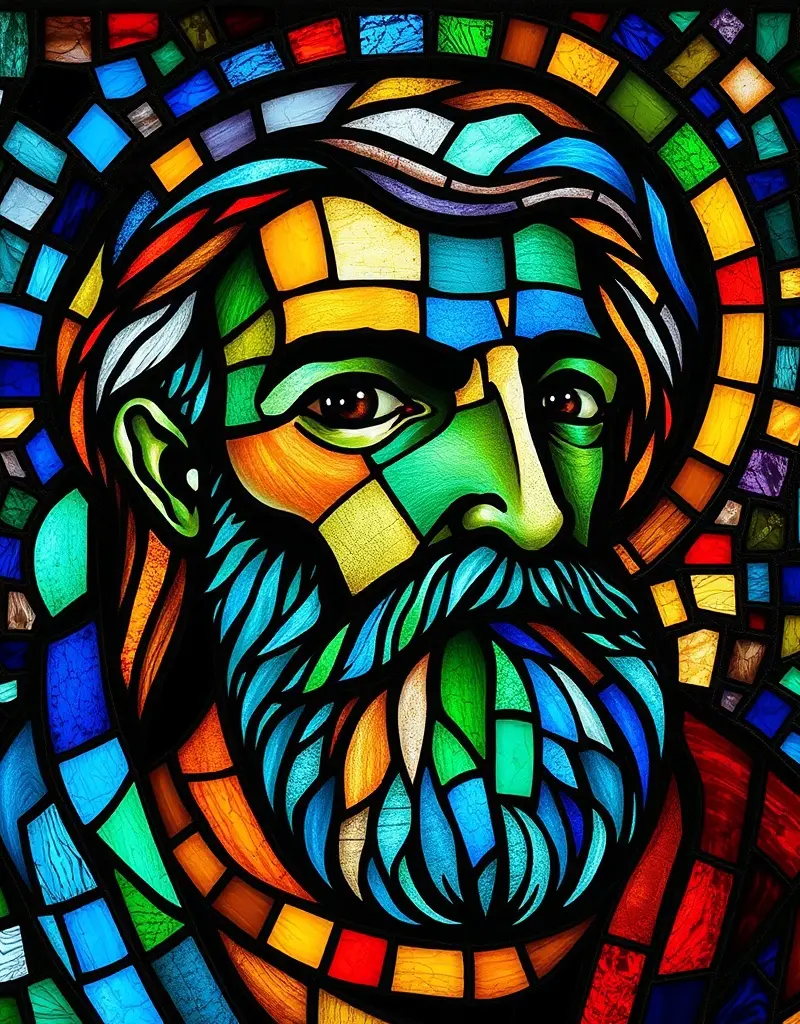
Biography
Shem was the eldest of Noah's three sons and survived the great flood within the ark (Genesis 5:32; 6:10). Following the flood, he participated with Japheth in the dignified covering of their father Noah's nakedness, an act of filial honor that earned Noah's prophetic blessing: "Blessed be the LORD, the God of Shem" (Genesis 9:26). Shem became the progenitor of a vast array of peoples across the ancient Near East, including the Elamites, Assyrians, Arameans, Lydians, and the family of Eber, from whom the Hebrews derive their name (Genesis 10:21–31; 11:10–26). He is said to have lived 600 years, and his genealogical line leads directly to Abraham, the patriarch of the covenant people.
Significance
Shem occupies a central position in biblical redemptive history as the ancestor through whom God's covenant blessings would flow. Noah's prophecy that the LORD would be the God of Shem foreshadows the election of Israel and the eventual coming of the Messiah through the Semitic line. Luke 3:36 includes Shem in the genealogy of Jesus Christ, confirming that the redemptive thread runs through him. The name "Semitic" derives from Shem, acknowledging his foundational role in forming the ethnic and linguistic heritage of the Hebrew people. His honorable treatment of Noah models the biblical virtue of honoring parents and elders.
Verse Appearances (17)
References
- Orr, J. (ed.) (1915) The International Standard Bible Encyclopedia. Chicago: Howard-Severance Company. [Public Domain]
- Tyndale House, Cambridge (n.d.) Translators Individualised Proper Names with all References (TIPNR). STEPBible. Available at: https://www.stepbible.org. [CC BY 4.0]
- Church of England (1769) The Holy Bible, Authorized (King James) Version. [Public Domain]