
Sihon
Sihon was the Amorite king of Heshbon who refused to let the Israelites pass through his land and was subsequently defeated by them.
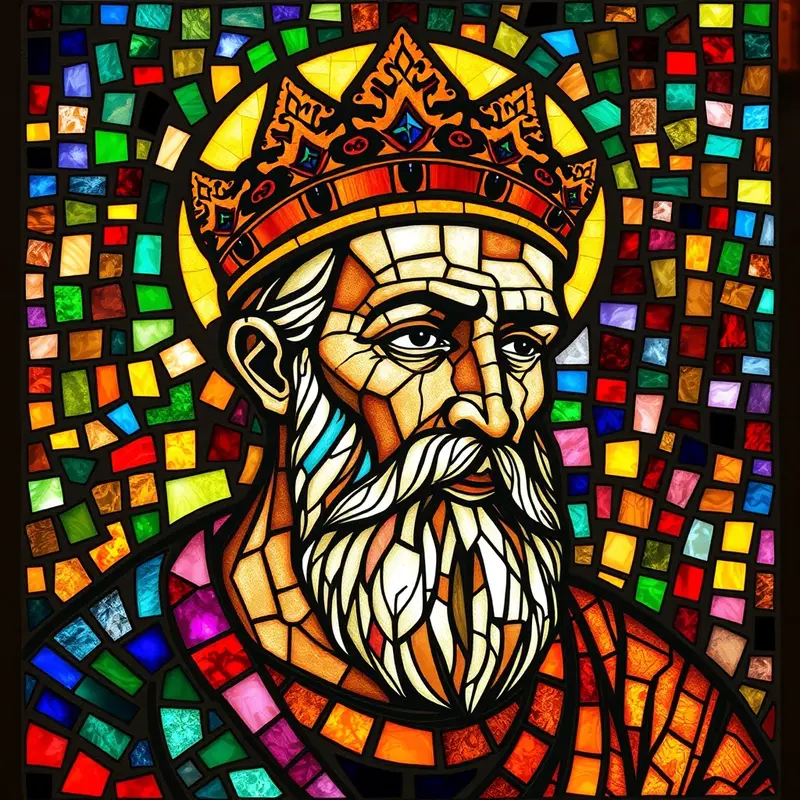
Biography
Sihon was the Amorite king of Heshbon who controlled substantial territory east of the Jordan River during the period of Israel's wilderness journey. When Moses sent messengers requesting peaceful passage through his territory along the King's Highway, Sihon refused and instead marshaled his forces against Israel at Jahaz (Numbers 21:21-25; Deuteronomy 2:24-37). Israel decisively defeated Sihon and captured all his cities, from the Arnon River to the Jabbok, including Heshbon. This conquest gave Israel its first permanent territorial possession in the land. Sihon's defeat is subsequently cited repeatedly throughout the Old Testament, in Deuteronomy, Joshua, Judges, Psalms, and Nehemiah, as a foundational act of divine deliverance, paired consistently with the parallel defeat of Og of Bashan.
Significance
The defeat of Sihon occupies an outsized place in Israel's theological memory, functioning as a paradigmatic demonstration of God's power to remove obstacles before his people. The refusal of Sihon to grant passage, which Deuteronomy 2:30 attributes to God hardening Sihon's heart as he had hardened Pharaoh's, transformed a border dispute into an occasion for divine conquest. Psalm 135:11 and 136:19 celebrate Sihon's defeat as evidence of God's enduring hesed, his steadfast covenant love, toward Israel. In the New Testament context, the conquest of Sihon foreshadows Christ's victory over powers that obstruct God's people from their inheritance. Sihon thus becomes a type of the spiritual opposition that God sovereignly overcomes for the sake of his covenant purposes.
Verse Appearances (34)
Numbers
Deut
1Kgs
Nehemiah
Jeremiah
References
- Orr, J. (ed.) (1915) The International Standard Bible Encyclopedia. Chicago: Howard-Severance Company. [Public Domain]
- Tyndale House, Cambridge (n.d.) Translators Individualised Proper Names with all References (TIPNR). STEPBible. Available at: https://www.stepbible.org. [CC BY 4.0]
- Wikidata contributors (n.d.) Wikidata. Available at: https://www.wikidata.org. [CC0]
- Church of England (1769) The Holy Bible, Authorized (King James) Version. [Public Domain]