
Zaccur
Zaccur, son of Imri, participated in rebuilding a section of Jerusalem's wall.
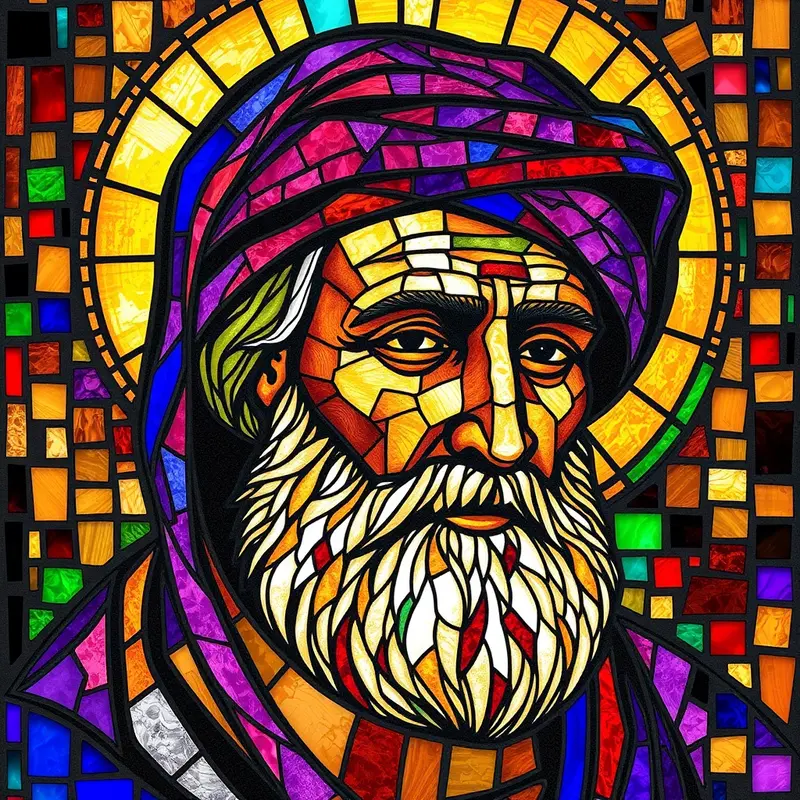
Biography
Zaccur son of Imri is recorded in Nehemiah 3:2 as one of the volunteers who participated in Nehemiah's ambitious project to rebuild the walls of Jerusalem, approximately 444 BC. He worked on a section of the northern wall near the Sheep Gate, which served as the point of entry for animals destined for temple sacrifice. Nehemiah's account of the wall-building is notable for its careful attribution of each section to specific families and leaders, a historical register that honors the individual contributions made to a collective undertaking. Zaccur and his household represent the broad civic and spiritual mobilization that Nehemiah orchestrated to restore the holy city's defenses.
Significance
Zaccur's participation in rebuilding Jerusalem's walls places him in the company of those whose practical labor served God's redemptive agenda. The repair of the walls was not merely a construction project but a symbol of Israel's reconstituted identity and security as God's people in the land of promise. Every worker named in Nehemiah 3, including Zaccur, contributed to a whole greater than any individual effort. This principle of communal faithfulness, each person doing their part, in their place, reflects the body of Christ principle developed fully in the New Testament (1 Corinthians 12), where each member's contribution is essential to the whole.
Verse Appearances (1)
Nehemiah
References
- Orr, J. (ed.) (1915) The International Standard Bible Encyclopedia. Chicago: Howard-Severance Company. [Public Domain]
- Tyndale House, Cambridge (n.d.) Translators Individualised Proper Names with all References (TIPNR). STEPBible. Available at: https://www.stepbible.org. [CC BY 4.0]
- Wikidata contributors (n.d.) Wikidata. Available at: https://www.wikidata.org. [CC0]
- Church of England (1769) The Holy Bible, Authorized (King James) Version. [Public Domain]