
Zelophehad
Zelophehad, a descendant of Manasseh, had no sons, so his daughters appealed for and received his inheritance (Num.26.33,33; 27.1,7; 36.2,6,10,11; Jos.17.3; 1Ch.7.15,15).
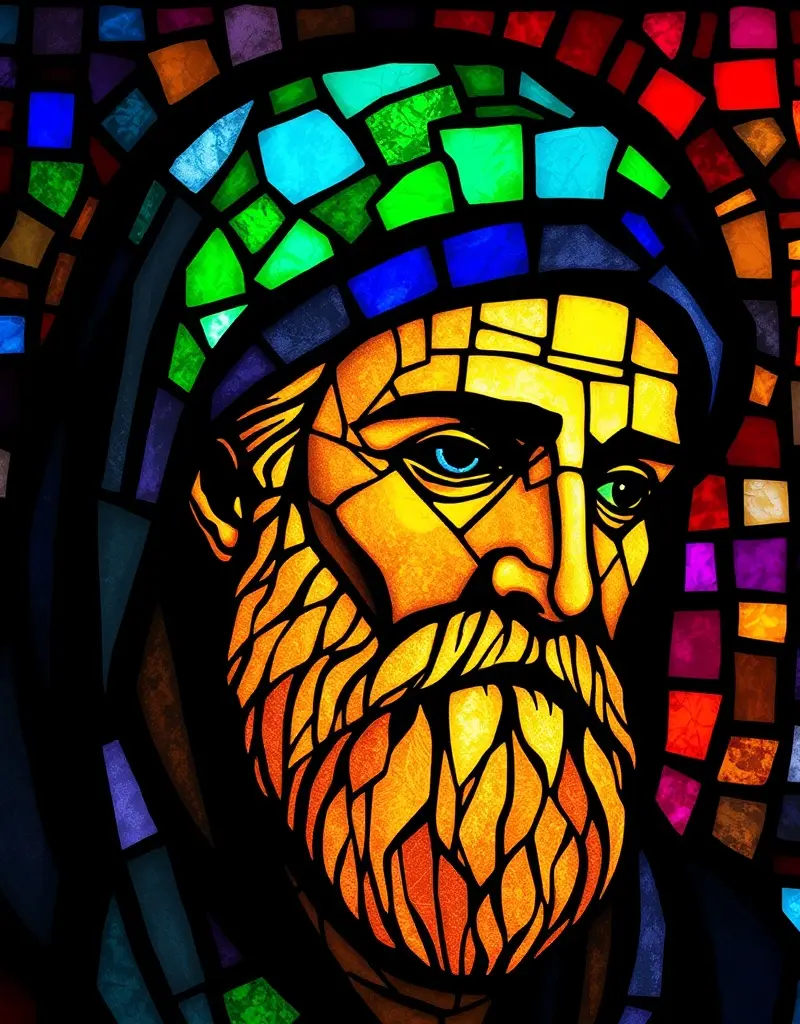
Biography
Zelophehad was a man of the tribe of Manasseh, son of Hepher, who died in the wilderness during Israel's forty years of wandering. He left behind five daughters, Mahlah, Noah, Hoglah, Milcah, and Tirzah, but no male heirs. When Israel prepared to enter Canaan and tribal land was being apportioned, his daughters boldly approached Moses, Eleazar the priest, and the assembly at the entrance to the Tent of Meeting (Numbers 27:1-2). They argued that their father's name should not disappear from his clan simply because he had no son. Moses brought their case before the LORD, who ruled decisively in their favor, establishing new legal precedent for Israelite inheritance law.
Significance
Zelophehad's case, though centered on his absence, became one of the most significant legal turning points in the Torah. His daughters' petition prompted God to expand Israel's inheritance laws to include daughters when no male heirs existed (Numbers 27:7-11). This ruling reflects the divine concern for equity within the covenant community. The episode also demonstrates that God's law was not static but could be illuminated through specific human situations. The daughters' names appear in the land allotments of Joshua 17:3, confirming that the ruling was honored in practice, placing Zelophehad's legacy within the very geography of the Promised Land.
Verse Appearances (9)
References
- Orr, J. (ed.) (1915) The International Standard Bible Encyclopedia. Chicago: Howard-Severance Company. [Public Domain]
- Tyndale House, Cambridge (n.d.) Translators Individualised Proper Names with all References (TIPNR). STEPBible. Available at: https://www.stepbible.org. [CC BY 4.0]
- Church of England (1769) The Holy Bible, Authorized (King James) Version. [Public Domain]