
Zippor
Zippor was the father of Balak, the king of Moab who hired Balaam to curse Israel (Num.22.2,4,10,16; 23.18; Jos.24.9; Jdg.11.25).
Biography
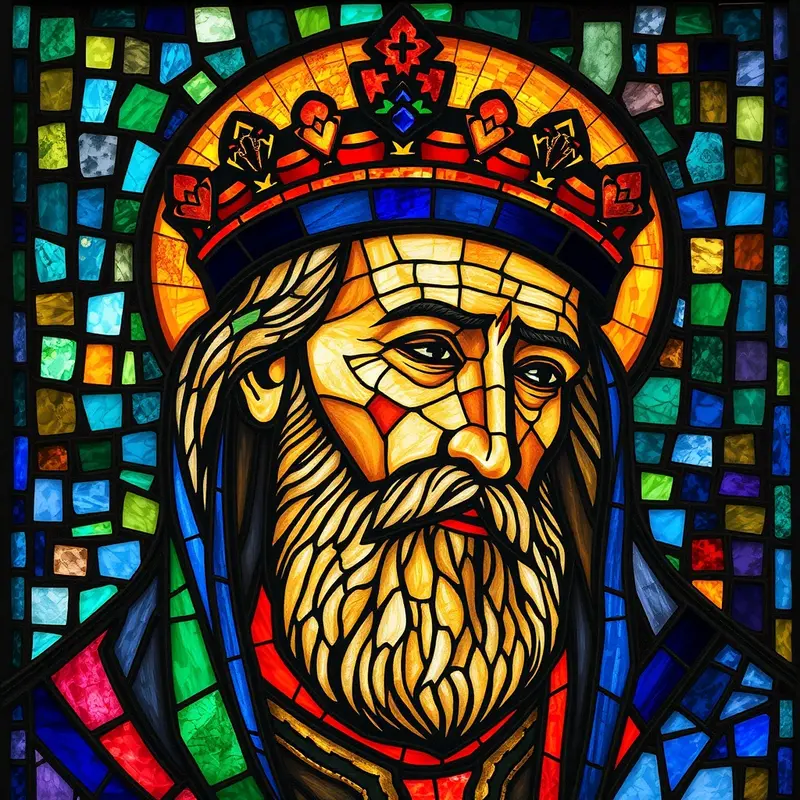
Zippor was a king of Moab and the father of Balak, the king who hired the prophet Balaam to curse Israel as the Israelites camped on the plains of Moab during their wilderness journey (Numbers 22:2, 4). Zippor himself is not a central actor in the narrative but is consistently identified as Balak's father across multiple books of the Bible, in Numbers, Joshua, and Judges, underscoring the significance of his dynastic connection. His name, which means "bird" or "sparrow" in Hebrew, appears in genealogical context as a marker of Balak's royal legitimacy. The repeated identification of Balak as "son of Zippor" across the Balaam narrative and subsequent references (Joshua 24:9; Judges 11:25) suggests that Zippor held sufficient renown for his name to lend authority to his son's actions.
Significance
Zippor's significance is largely indirect, mediated through the actions of his son Balak. Yet the Balak-Balaam episode, in which Balak attempted to obtain a prophetic curse against Israel, is one of Scripture's most theologically instructive encounters between pagan opposition and divine protection. That the king of Moab, the son of Zippor, could not prevail against Israel even through supernatural means demonstrated that no human or spiritual power can thwart the purposes of God for his covenant people. The episode is referenced in Joshua, Judges, Nehemiah, Micah, and the New Testament (2 Peter 2:15; Jude 11; Revelation 2:14), establishing it as a paradigmatic demonstration of God's faithfulness to bless what he has blessed.
Verse Appearances (7)
References
- Orr, J. (ed.) (1915) The International Standard Bible Encyclopedia. Chicago: Howard-Severance Company. [Public Domain]
- Tyndale House, Cambridge (n.d.) Translators Individualised Proper Names with all References (TIPNR). STEPBible. Available at: https://www.stepbible.org. [CC BY 4.0]
- Wikidata contributors (n.d.) Wikidata. Available at: https://www.wikidata.org. [CC0]
- Church of England (1769) The Holy Bible, Authorized (King James) Version. [Public Domain]