
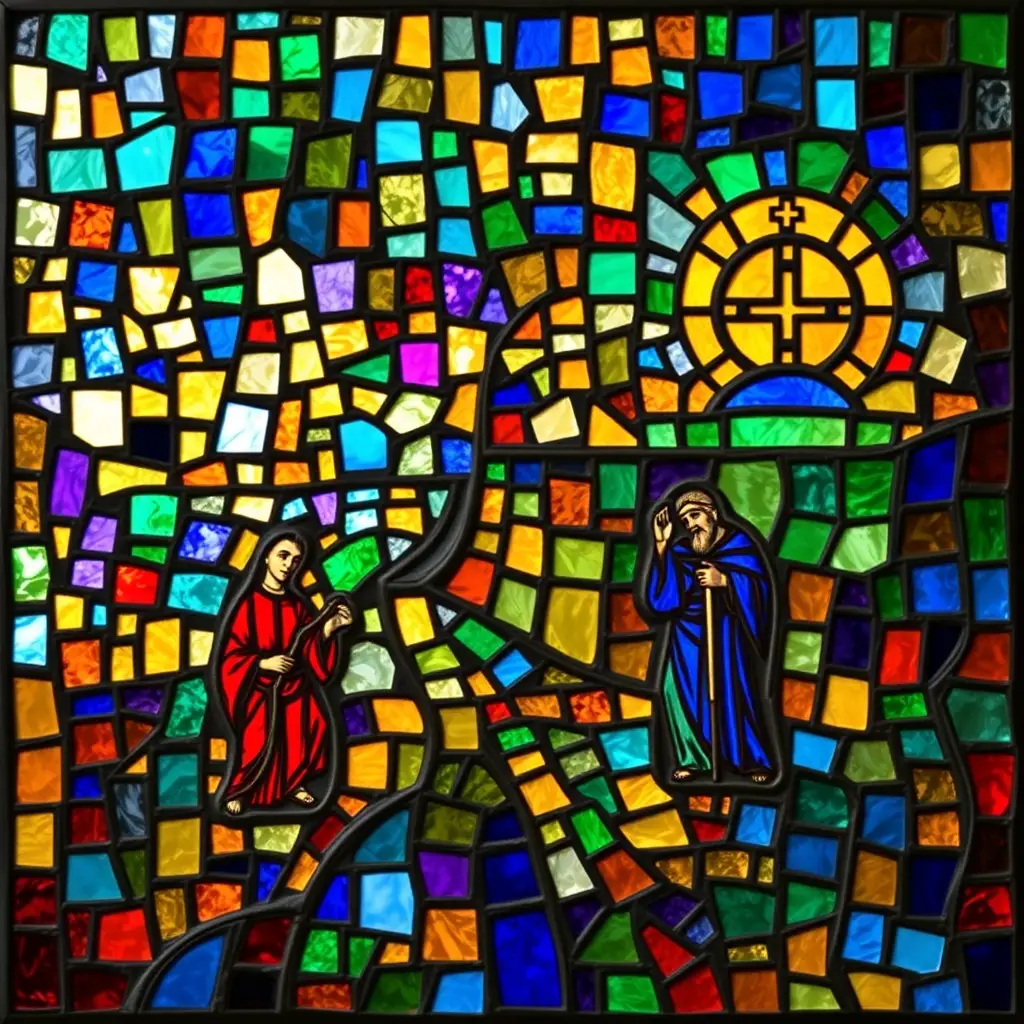
Highway of Holiness
Highway of Holiness is a location mentioned in the Old Testament, located in the region of Judea in modern-day Israel. Known today as Jerusalem. It appears across 1 verse in Scripture.
Biblical History
The Highway of Holiness is a visionary road described in Isaiah 35:8 as part of an eschatological promise of restoration and redemption. Isaiah declares: "And a highway will be there; it will be called the Way of Holiness. The unclean will not journey on it; wicked fools will not go about on it." The image appears in the context of a magnificent reversal of Israel's condition, a transformation of the wilderness into a place of blooming life, the healing of the blind and deaf, and the joyful return of God's ransomed people to Zion (Isaiah 35:9-10). The highway represents the sacred path on which the redeemed of the LORD will travel, protected from enemies and impurity, as they return from exile to the holy city. It functions as a powerful metaphor for God's salvation, a prepared, purified, and protected way made available exclusively to those whom God has redeemed. The concept resonates throughout Scripture, reaching its fulfillment in the New Testament's vision of the way of salvation opened through Jesus Christ, who described himself as "the way" (John 14:6).
Archaeological & Historical Notes
The Highway of Holiness is a visionary and theological concept rather than a specific archaeological site; no physical road of this name has been identified in the archaeological record. Isaiah's imagery draws upon the ancient Near Eastern practice of constructing royal processional roads for the return of deities to their temples, a cultural context well-documented in Mesopotamian and Egyptian sources. The symbolic road described in Isaiah 35 is set in the landscape of the Judean wilderness and the route between Babylon and Jerusalem, reflecting the historical experience of exile and return. Scholarly study focuses primarily on the literary and theological dimensions of this passage rather than on any physical identification.
Verse Appearances (1)
Isa
References
- Orr, J. (ed.) (1915) The International Standard Bible Encyclopedia. Chicago: Howard-Severance Company. [Public Domain]
- OpenBible.info (n.d.) Bible Geocoding. Available at: https://www.openbible.info/geo/. [CC BY 4.0]
- Bagnall, R. et al. (eds.) (n.d.) Pleiades: A Gazetteer of Past Places. Available at: https://pleiades.stoa.org. [CC BY 3.0]
- Wikidata contributors (n.d.) Wikidata. Available at: https://www.wikidata.org. [CC0]
- Lawrence, D. et al. (2025) Villages to Empires: a settlement dataset for the Southern Levant. doi:10.5281/zenodo.15111732. [CC BY 4.0]
- Church of England (1769) The Holy Bible, Authorized (King James) Version. [Public Domain]