
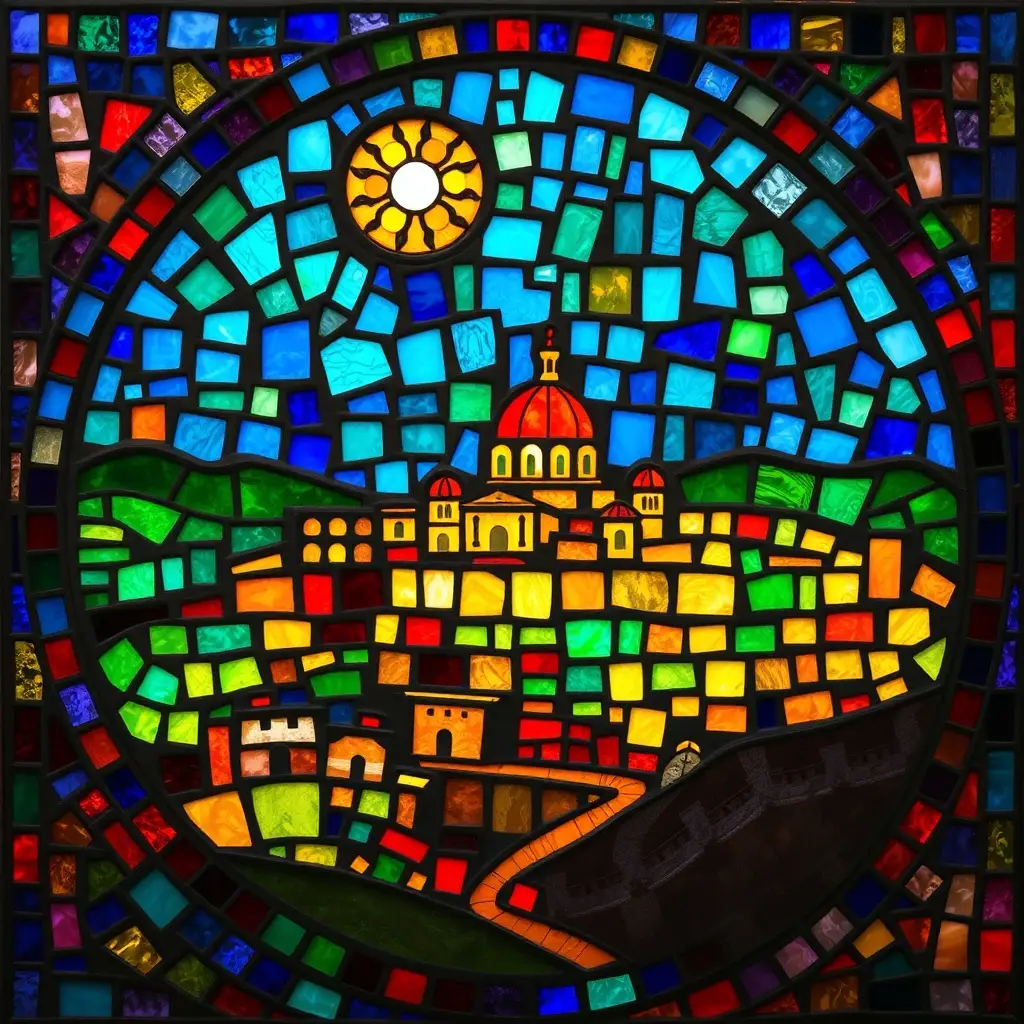
Kir-hareseth
Kir-hareseth is an ancient city mentioned in the Old Testament, located in the region of Transjordan in modern-day Israel. Known today as Kerak. It appears across 5 verses in Scripture.
Biblical History
Kir-hareseth (also spelled Kir-haraseth, Kir-heres) was a major fortified city of Moab that features in several biblical accounts. Its most dramatic appearance occurs in 2 Kings 3:25, during the joint campaign of Israel, Judah, and Edom against Moab's King Mesha. After devastating the Moabite countryside, the allied forces besieged Kir-hareseth as the last stronghold standing. In desperation, Mesha sacrificed his eldest son on the city wall, provoking such horror that the siege was abandoned (2 Kings 3:27). Isaiah's oracle against Moab twice references the city: Isaiah 16:7 calls Moab to mourn for the "raisin cakes of Kir-hareseth," lamenting the loss of its famous agricultural produce, and Isaiah 16:11 describes the prophet's own heart mourning for Kir-heres. Jeremiah 48:31 and 48:36 echo this prophetic grief over Kir-hareseth's downfall. The city's repeated mention in judgment oracles underscores its importance as a symbol of Moabite strength and pride, whose inevitable humbling demonstrated God's sovereignty over all nations.
Archaeological & Historical Notes
Kir-hareseth is confidently identified with modern Kerak (al-Karak) in Jordan, the same site as Kir of Moab. The name Kir-hareseth means "city of potsherds" or "walled city of clay," likely describing its fortified character. The site occupies a naturally defensible mesa at approximately 1,000 meters elevation, surrounded by deep valleys on three sides. While the massive 12th-century Crusader castle dominates the site today, archaeological investigations have confirmed Iron Age occupation consistent with the biblical period. The Moabite Stone (Mesha Stele) discovered at nearby Dhiban in 1868 provides extrabiblical confirmation of Moab's conflicts with Israel described in 2 Kings 3. Kerak today is a thriving Jordanian city and major tourist destination, with the Crusader fortress being its primary attraction.
Verse Appearances (5)
References
- Orr, J. (ed.) (1915) The International Standard Bible Encyclopedia. Chicago: Howard-Severance Company. [Public Domain]
- OpenBible.info (n.d.) Bible Geocoding. Available at: https://www.openbible.info/geo/. [CC BY 4.0]
- Bagnall, R. et al. (eds.) (n.d.) Pleiades: A Gazetteer of Past Places. Available at: https://pleiades.stoa.org. [CC BY 3.0]
- Wikidata contributors (n.d.) Wikidata. Available at: https://www.wikidata.org. [CC0]
- Lawrence, D. et al. (2025) Villages to Empires: a settlement dataset for the Southern Levant. doi:10.5281/zenodo.15111732. [CC BY 4.0]
- Church of England (1769) The Holy Bible, Authorized (King James) Version. [Public Domain]