
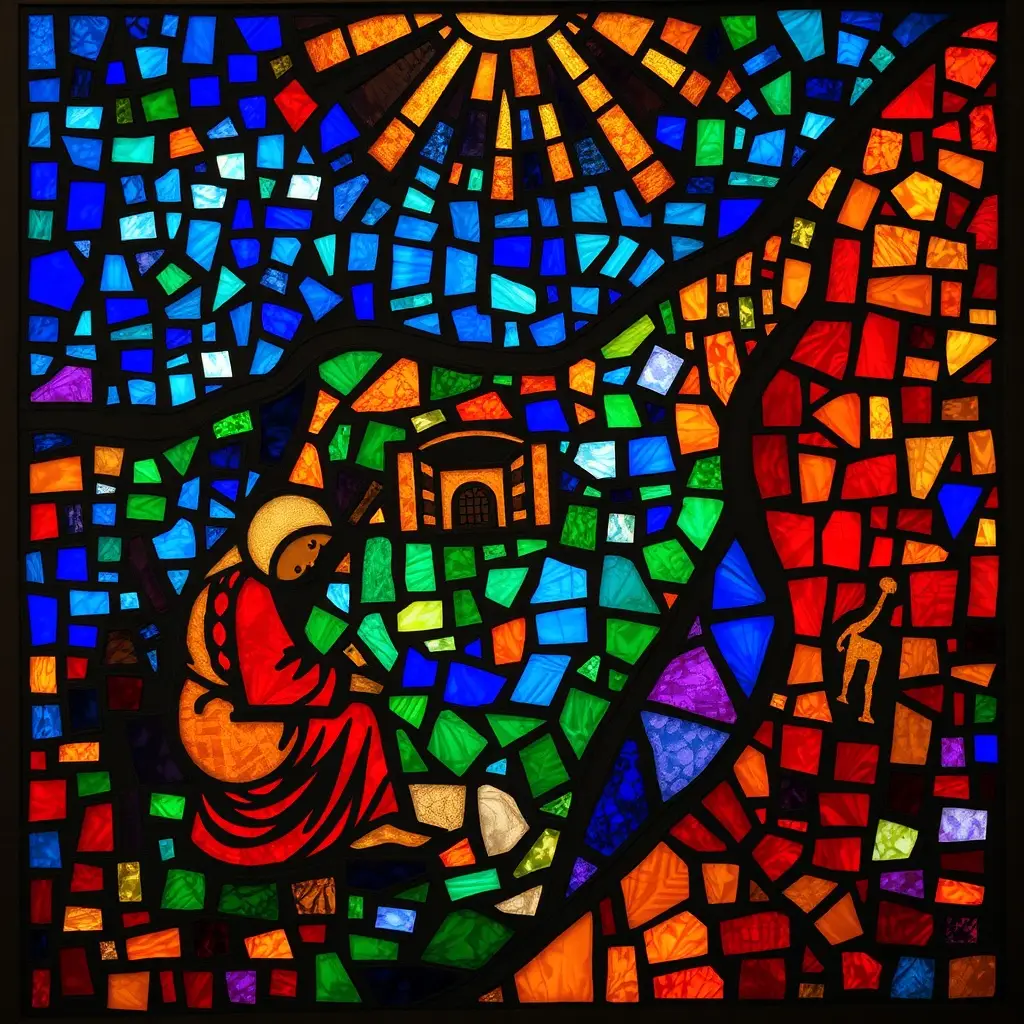
Mesopotamia
Mesopotamia is a region mentioned in both the Old and New Testaments, located in the region of Syria in modern-day Syria. Known today as Harran. It appears across 7 verses in Scripture.
Biblical History
Mesopotamia, the land "between the rivers" Tigris and Euphrates, occupies a foundational place in biblical history. It is the broader region from which God called Abraham to leave for Canaan (Genesis 24:10; Acts 7:2), and Aram-Naharaim ("Aram of the Two Rivers") served as the homeland of Abraham's extended family, where Isaac's bride Rebekah and Jacob's wives were found. In Deuteronomy 23:4, Balaam is said to have come from Pethor of Mesopotamia, hired by Balak to curse Israel. Judges 3:8-10 records that Cushan-Rishathaim, king of Mesopotamia, oppressed Israel for eight years before Othniel delivered them. In 1 Chronicles 19:6, the Ammonites hired chariots and horsemen from Mesopotamia to fight against David. In the New Testament, Stephen's speech in Acts 2:9 and 7:2 recalls Mesopotamia as the land of Israel's origins. The region thus represents both the cradle of patriarchal faith and the worldly power from which God repeatedly delivered His people, underscoring the journey from pagan origins to covenant relationship.
Archaeological & Historical Notes
Mesopotamia encompasses one of the most archaeologically rich regions on earth, spanning modern Iraq, southeastern Turkey, and eastern Syria. The city of Harran, identified as a key biblical site within this region, has been excavated and surveyed extensively. Its ruins include the famous Ulu Cami mosque built over earlier structures and remnants of the ancient city walls. Harran was a major center of the moon-god Sin cult in antiquity, corroborating the biblical picture of Abraham's pagan origins. Cuneiform tablets from Mari, Nuzi, and other Mesopotamian sites have illuminated patriarchal customs, including marriage contracts and inheritance practices that closely parallel Genesis narratives. The region continues to yield significant discoveries through ongoing excavation projects.
Verse Appearances (7)
References
- Orr, J. (ed.) (1915) The International Standard Bible Encyclopedia. Chicago: Howard-Severance Company. [Public Domain]
- OpenBible.info (n.d.) Bible Geocoding. Available at: https://www.openbible.info/geo/. [CC BY 4.0]
- Bagnall, R. et al. (eds.) (n.d.) Pleiades: A Gazetteer of Past Places. Available at: https://pleiades.stoa.org. [CC BY 3.0]
- Wikidata contributors (n.d.) Wikidata. Available at: https://www.wikidata.org. [CC0]
- Lawrence, D. et al. (2025) Villages to Empires: a settlement dataset for the Southern Levant. doi:10.5281/zenodo.15111732. [CC BY 4.0]
- Church of England (1769) The Holy Bible, Authorized (King James) Version. [Public Domain]