
Zalmon
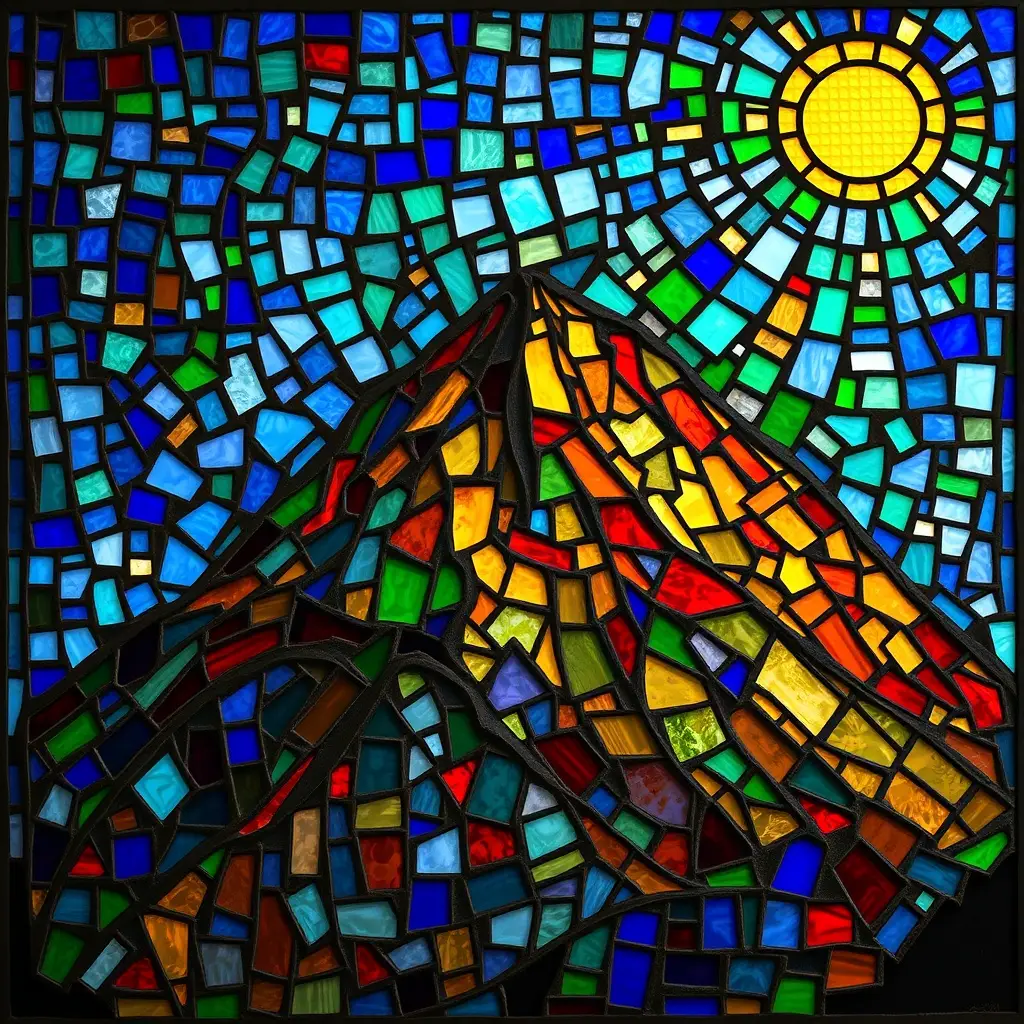
Zalmon is a mountain mentioned in the Old Testament, located in the region of Phoenicia in modern-day Israel. Known today as Jebel Druze. It appears across 1 verse in Scripture.
Biblical History
Zalmon appears in the Old Testament as a wooded mountain associated with Israel's tribal narratives and poetic tradition. Its most notable appearance is in Psalm 68:14, which references the scattering of kings on Zalmon and evokes the image of snow falling upon its dark, forested slopes, a vivid poetic image suggesting the mountain's densely wooded character, as the Hebrew name itself may carry the meaning of "shady" or "dark." Some scholars also associate a Mount Zalmon with the narrative in Judges 9:48, where Abimelech goes up to a Mount Zalmon near Shechem to cut branches used in the attack on the tower of Shechem, though this may refer to a different mountain altogether. The identification with Jebel Druze, a prominent basalt massif in the Hauran region of modern Syria, places Zalmon in the northern geographical imagination of ancient Israel. Whether the Psalm reference, the Judges episode, or both refer to the same location remains a matter of scholarly discussion, but in each case the mountain functions as a symbol of divine power exercised over Israel's enemies.
Archaeological & Historical Notes
Jebel Druze (also known as Jabal al-Arab) rises to over 1,800 meters in the Hauran of southern Syria and has been inhabited since the Neolithic period. Its volcanic basalt terrain has preserved Bronze and Iron Age settlements, along with numerous Nabataean, Roman, and Byzantine remains. Ancient caravan routes passed through the region, and the mountain's strategic height made it a landmark for travelers and armies alike. While no excavations have specifically aimed at identifying a site named Zalmon on Jebel Druze, the broader region has been surveyed extensively, with Iron Age remains confirming settlement activity in the period relevant to the biblical texts.
Verse Appearances (1)
Ps
References
- Orr, J. (ed.) (1915) The International Standard Bible Encyclopedia. Chicago: Howard-Severance Company. [Public Domain]
- OpenBible.info (n.d.) Bible Geocoding. Available at: https://www.openbible.info/geo/. [CC BY 4.0]
- Bagnall, R. et al. (eds.) (n.d.) Pleiades: A Gazetteer of Past Places. Available at: https://pleiades.stoa.org. [CC BY 3.0]
- Wikidata contributors (n.d.) Wikidata. Available at: https://www.wikidata.org. [CC0]
- Lawrence, D. et al. (2025) Villages to Empires: a settlement dataset for the Southern Levant. doi:10.5281/zenodo.15111732. [CC BY 4.0]
- Church of England (1769) The Holy Bible, Authorized (King James) Version. [Public Domain]