
Creation & Origins in Movies, Anime & Games
In the Beginning — Echoes of Genesis
Genesis 1 opens with God speaking the universe into existence from nothing. These works explore creation narratives, the origins of life, and humanity's relationship with its creator — from digital worlds to cosmic genesis.
The most-referenced Bible passages across all titles exploring this theme.
71 movies, anime, TV series, and games that explore the theme of creation & origins.
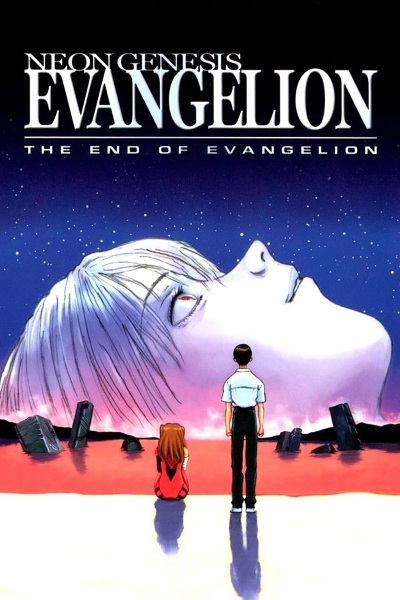 Anime
AnimeNeon Genesis Evangelion: The End of Evangelion(1997)
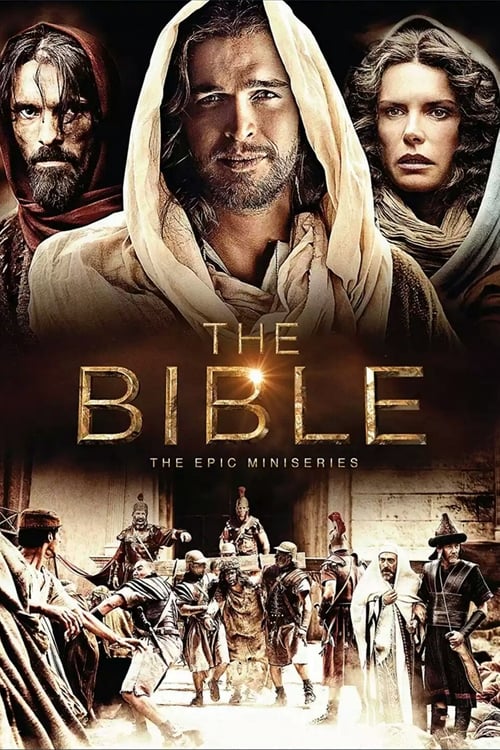 TV
TVThe Bible(2013)
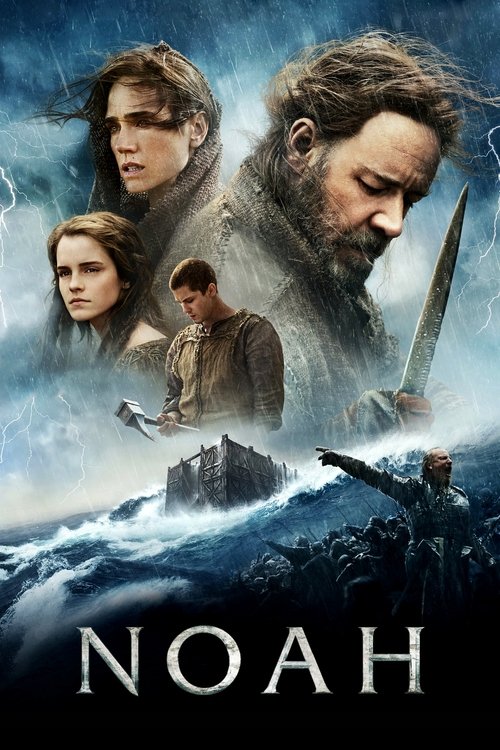 Movie
MovieNoah(2014)
 Anime
AnimeAngel's Egg(1985)
What's in the Bible?(2011)
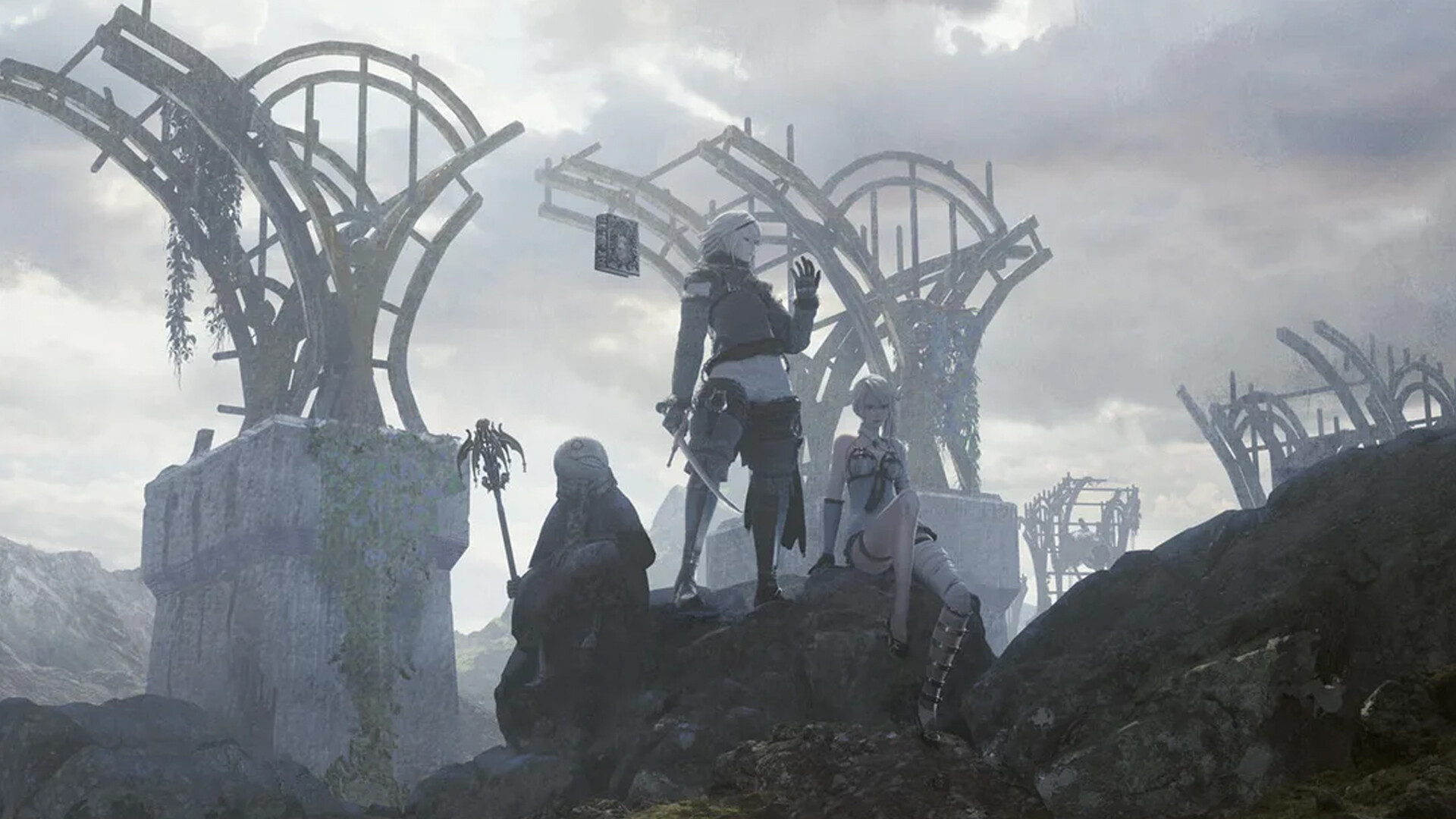 Game
GameNieR Replicant v1.22474487139...(2021)
Nausicaä of the Valley of the Wind(1984)
In the Beginning: The Bible Stories(1997)
 Game
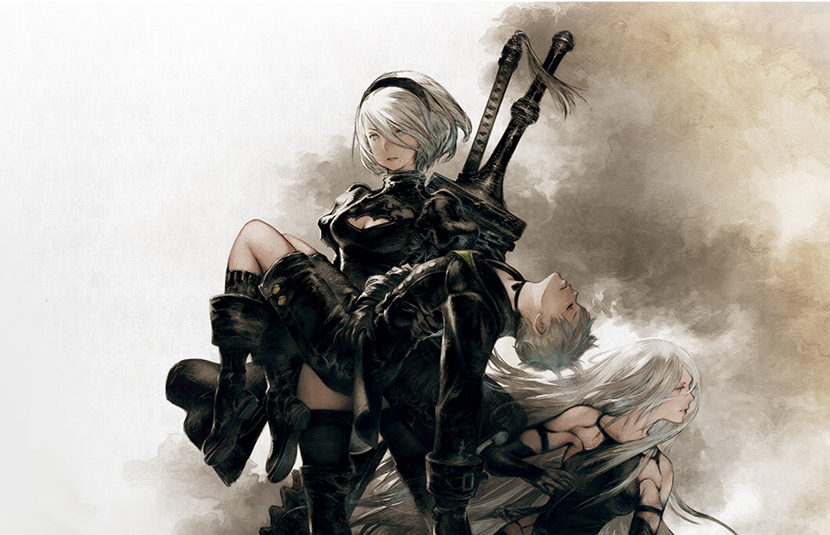
GameNieR:Automata Game of the YoRHa Edition(2019)
 Anime
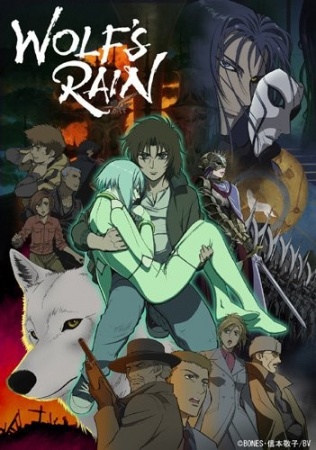
AnimeWolf's Rain(2003)
 Movie
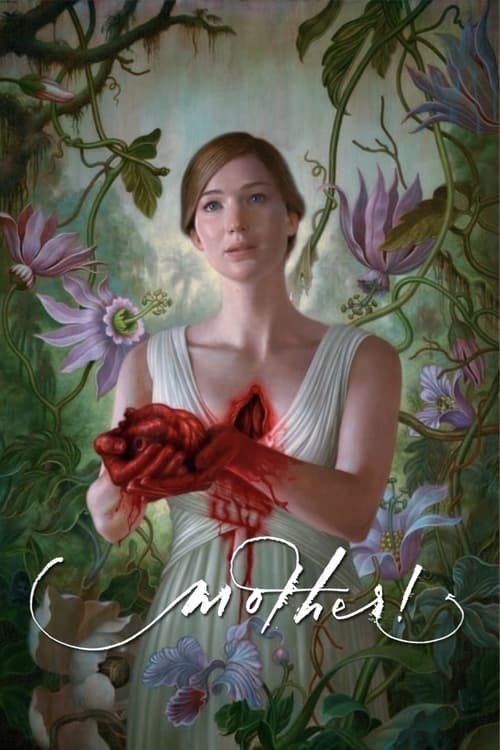
MovieMother!(2017)
 Game
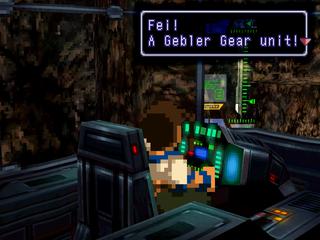
GameXenogears (1998)(1998)
 Game
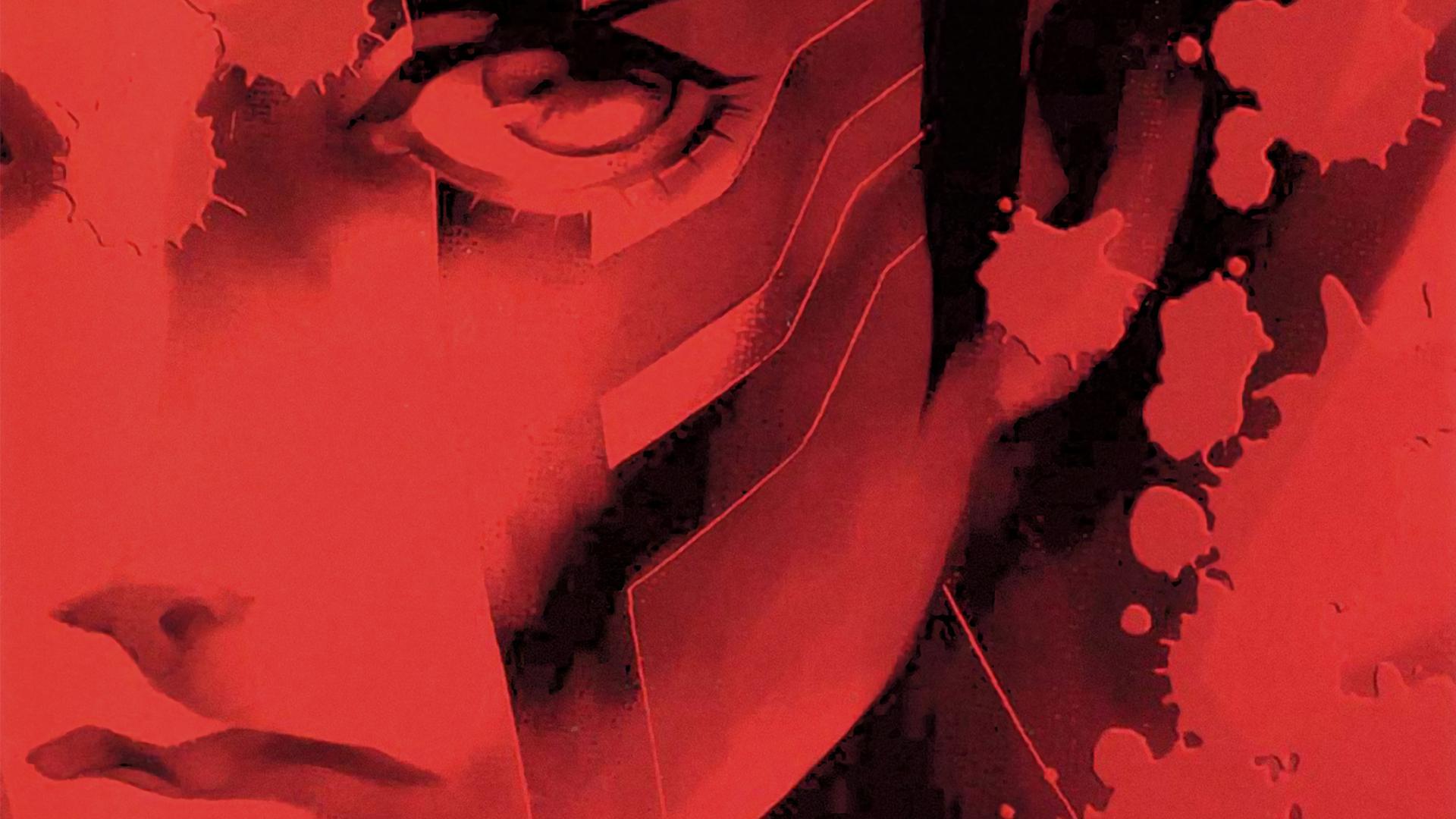
GameShin Megami Tensei III: Nocturne(2003)
 Game
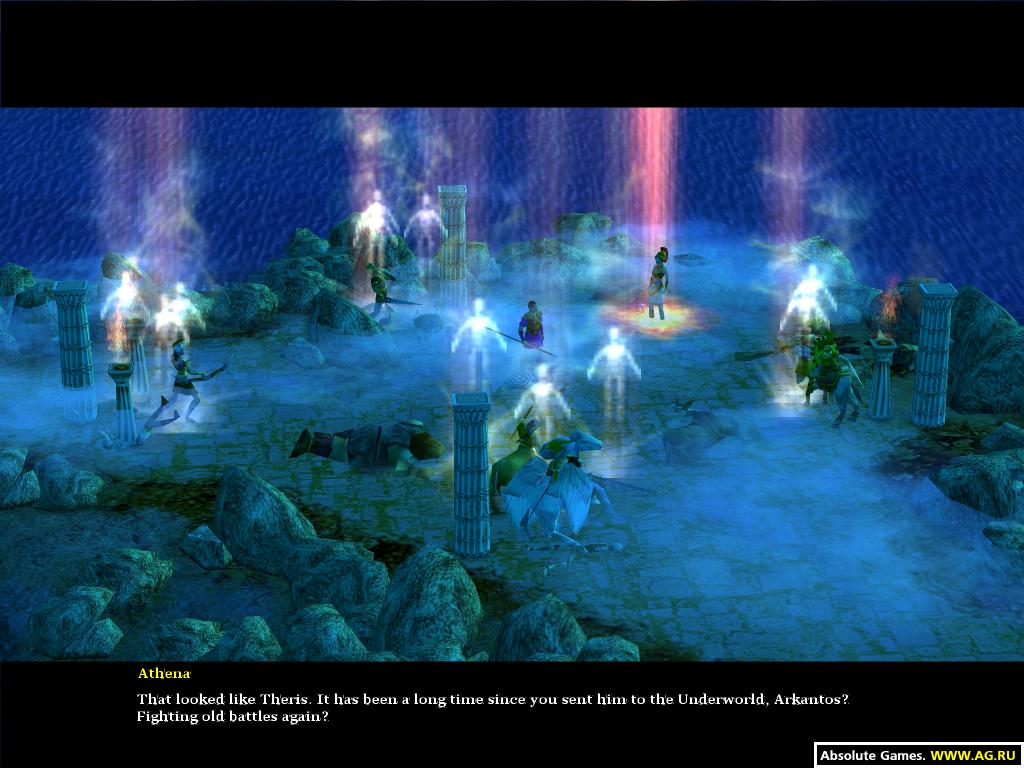
GameAge of Mythology(2002)
 Game
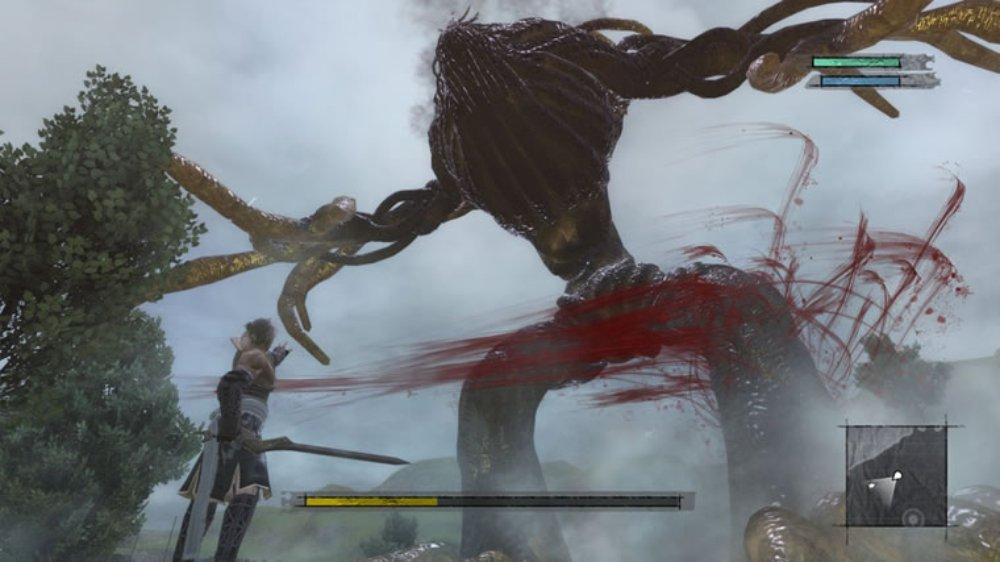
GameNIER(2010)
 Game
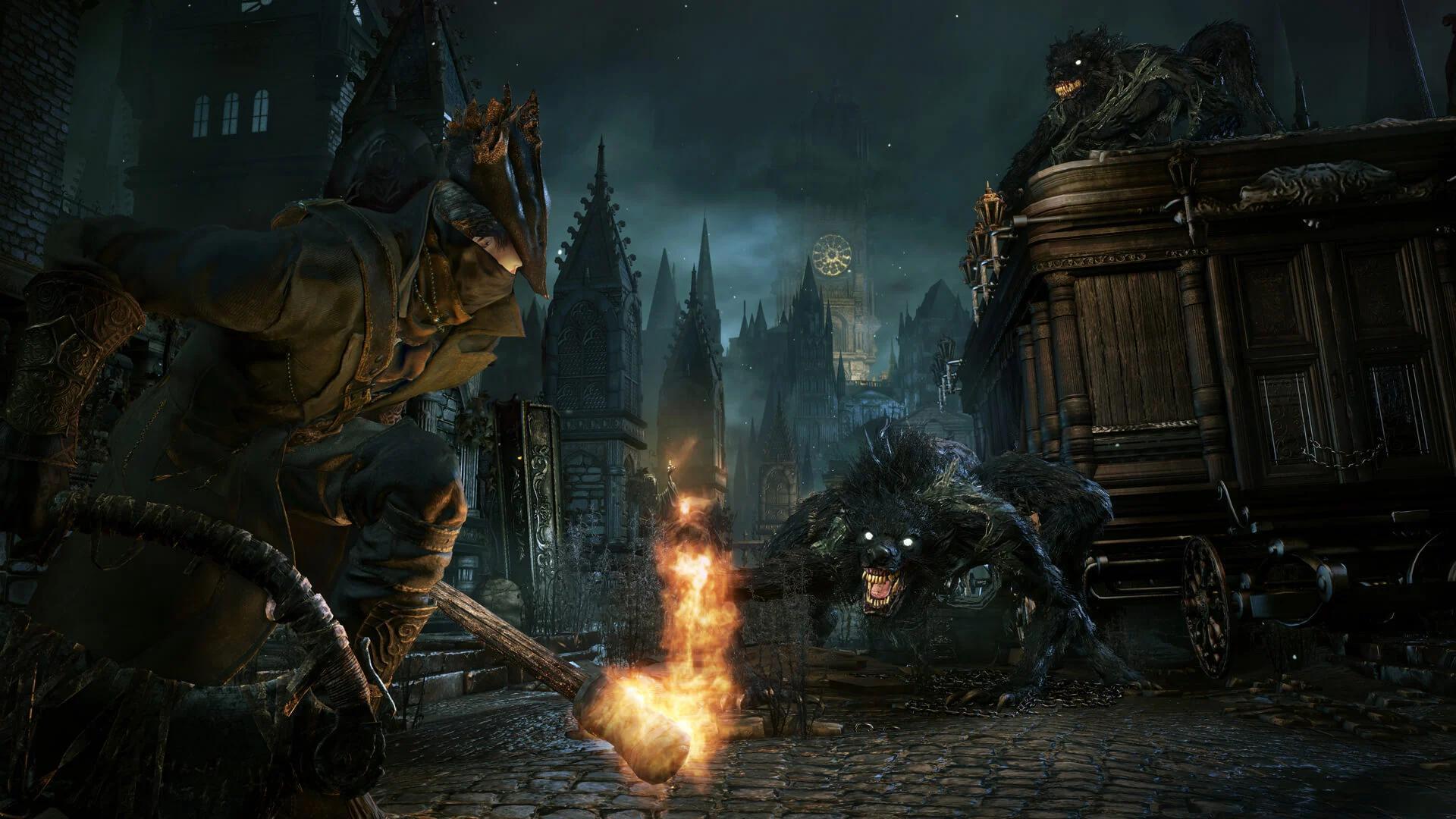
GameBloodborne: Game of the Year Edition(2015)
 Anime
AnimeRahXephon(2002)
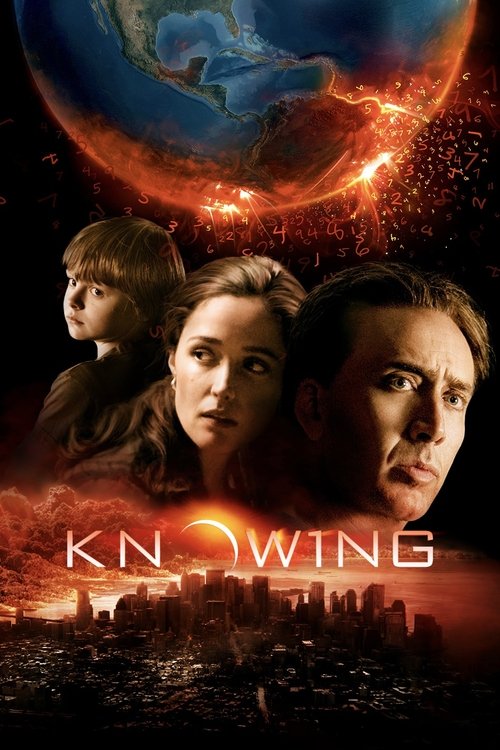 Movie
MovieKnowing(2009)
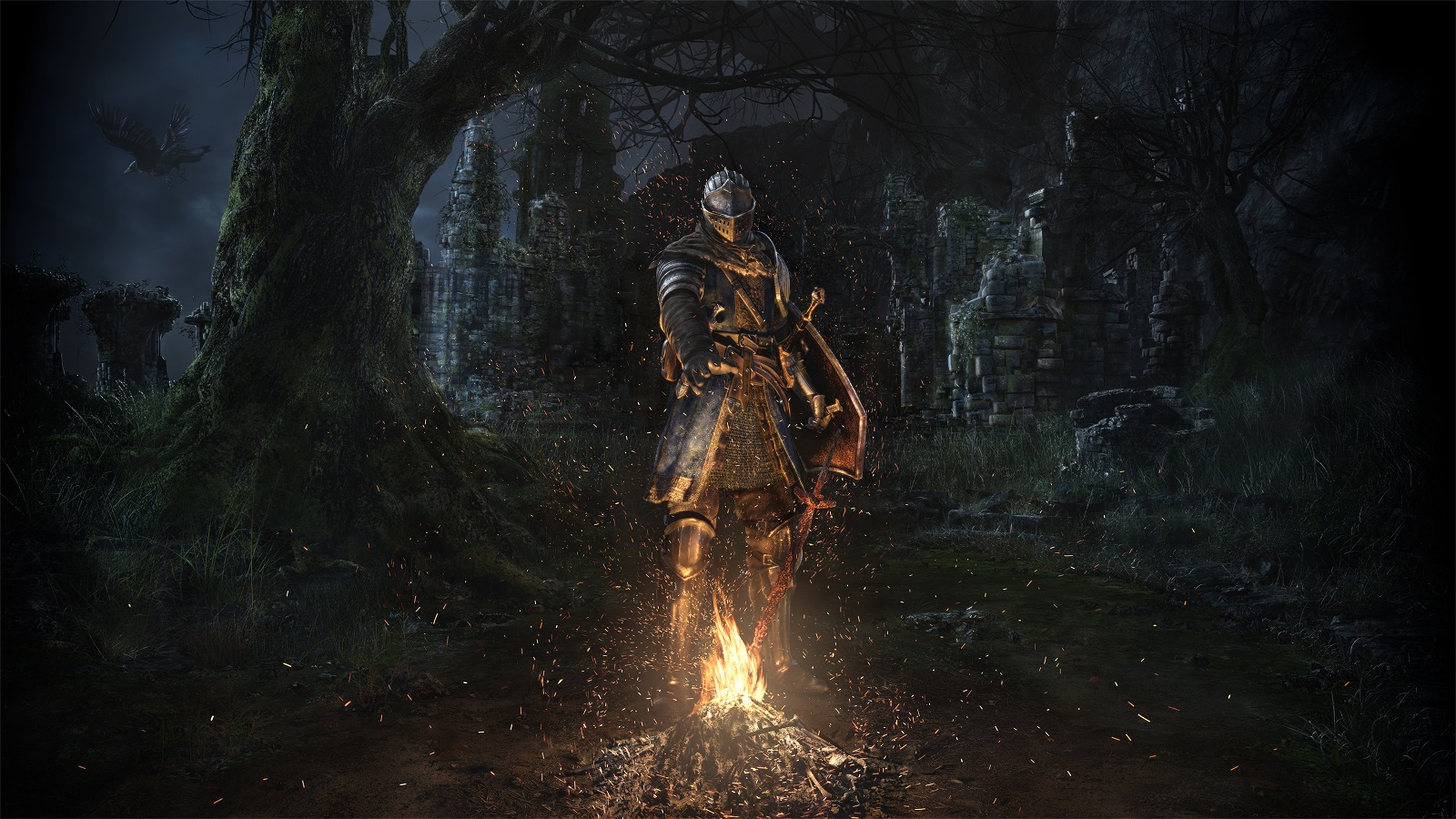 Game
GameDark Souls: Remastered(2018)
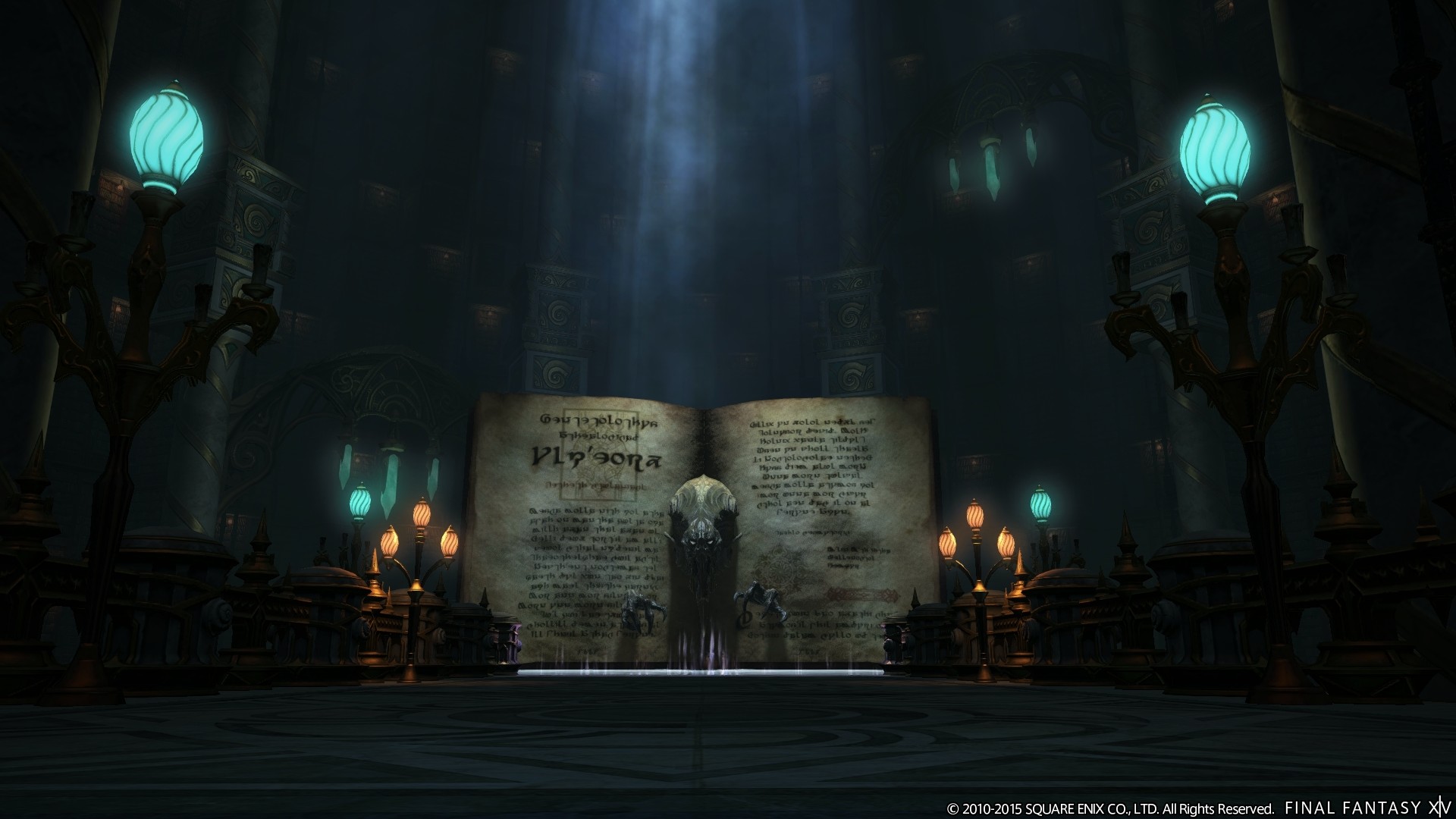 Game
GameFinal Fantasy XIV: Heavensward(2015)
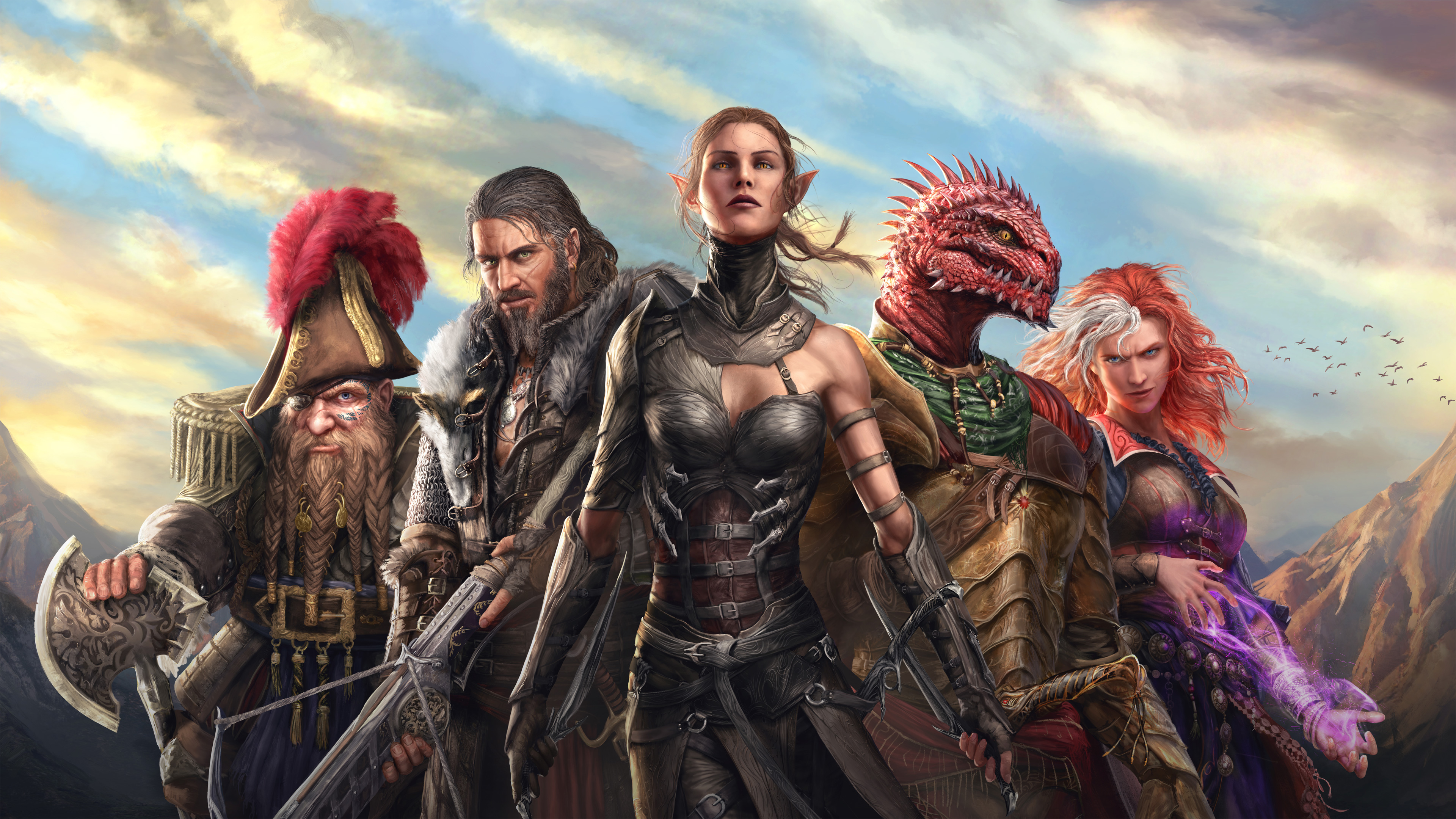 Game
GameDivinity: Original Sin 2(2017)
Blue Seed(1994)
 Movie
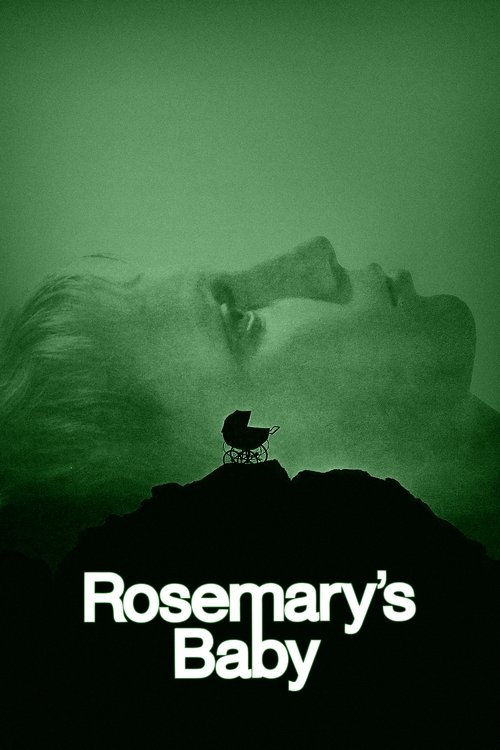
MovieRosemary's Baby(1968)
 Anime
AnimeNow and Then, Here and There(1999)
 Game
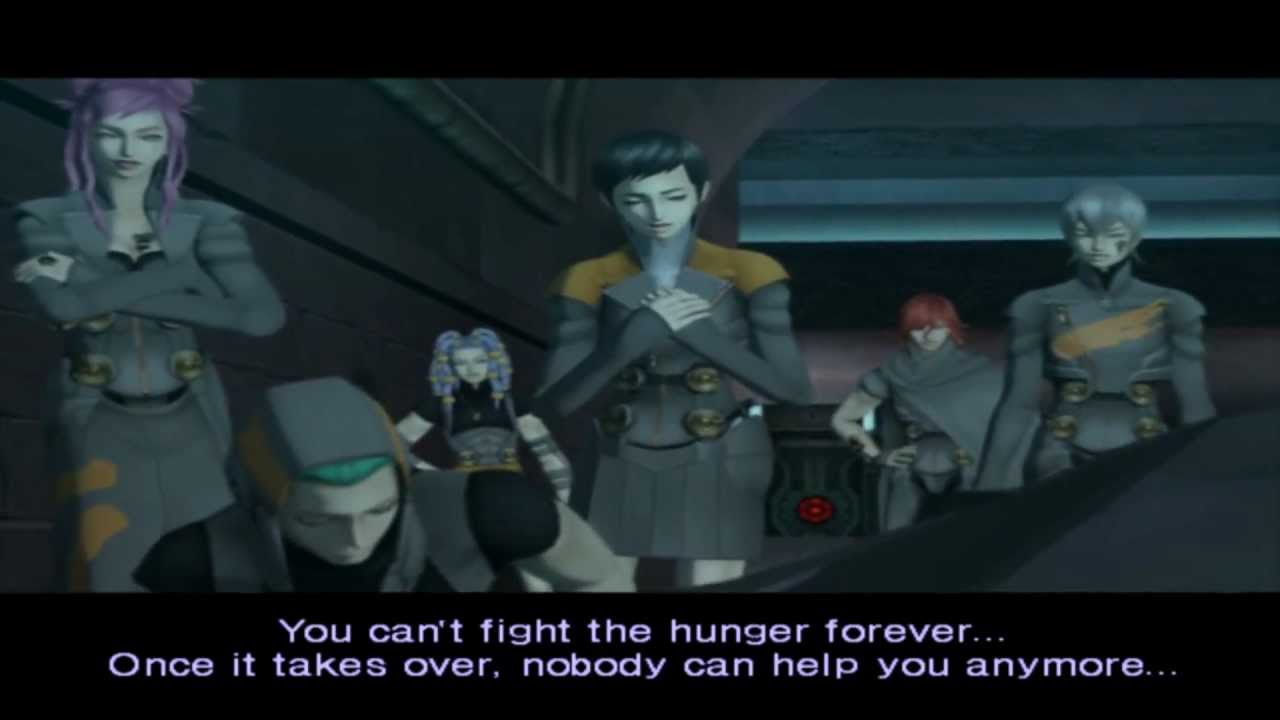
GameDigital Devil Saga(2004)
 Anime
AnimeGurren Lagann(2007)
 Anime
AnimeMagi: The Kingdom of Magic(2013)
 Anime
AnimeMoribito - Guardian of the Spirit(2007)
 Anime
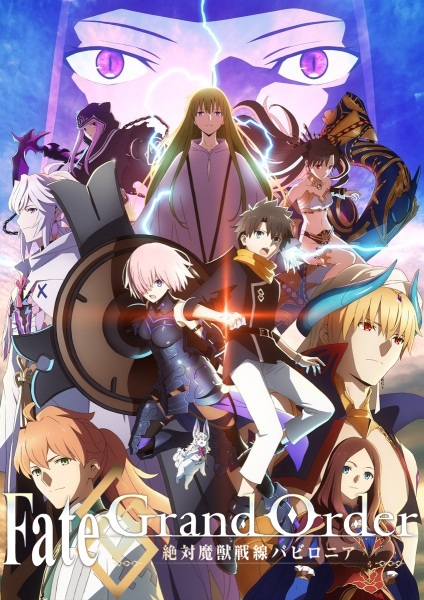
AnimeFate/Grand Order: Absolute Demonic Front - Babylonia(2019)
Noein: To Your Other Self(2005)
 Game
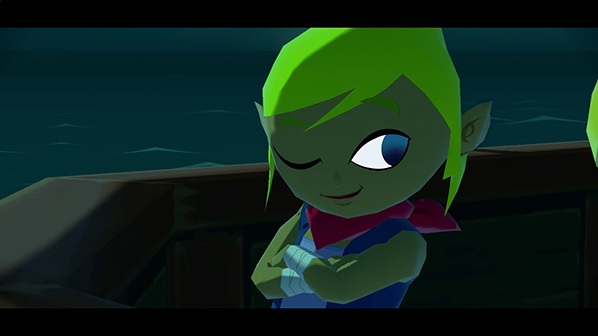
GameThe Legend of Zelda: Ocarina of Time 3D(2011)
 Game
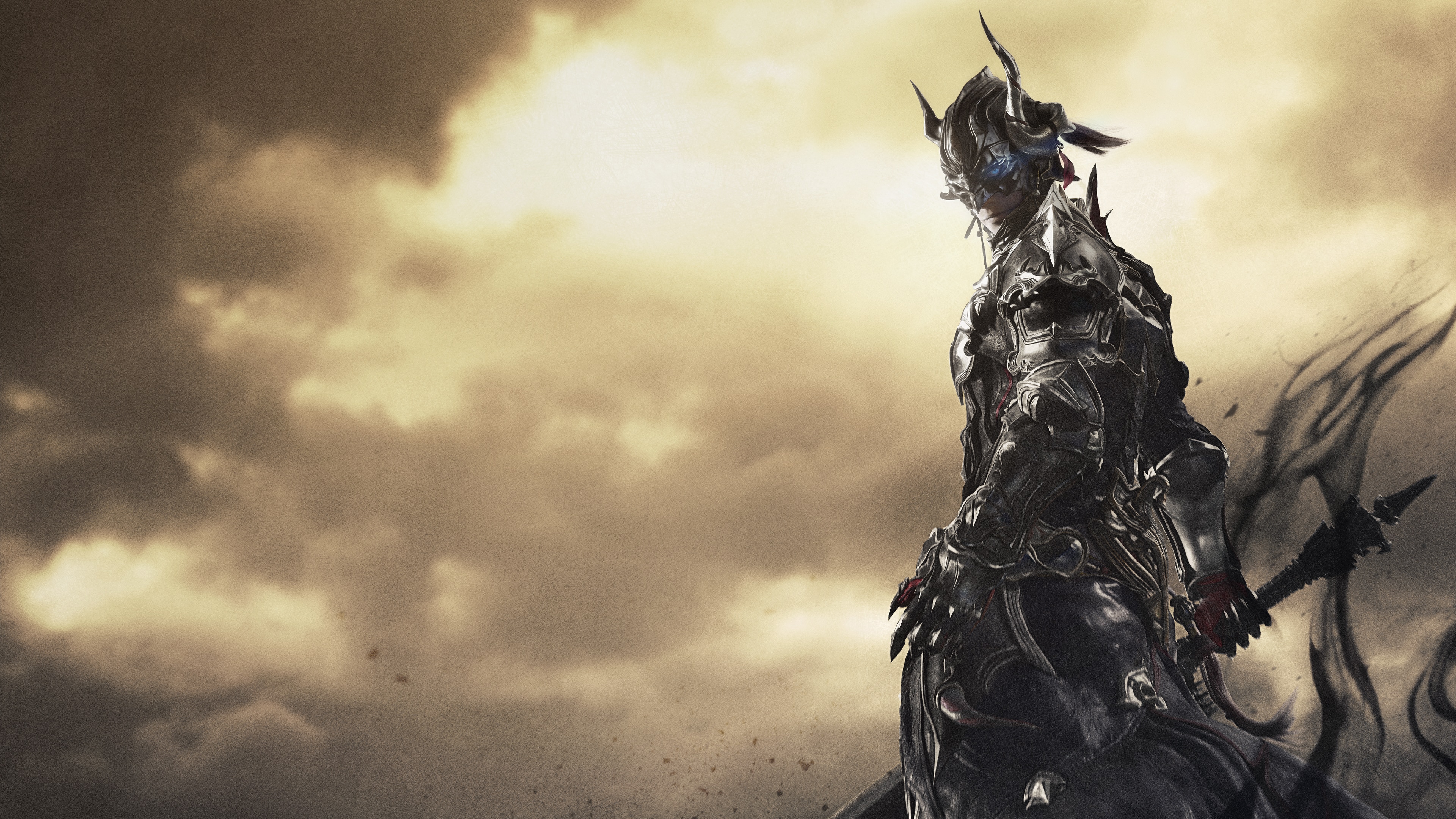
GameFINAL FANTASY XIV: Shadowbringers(2019)
 Game
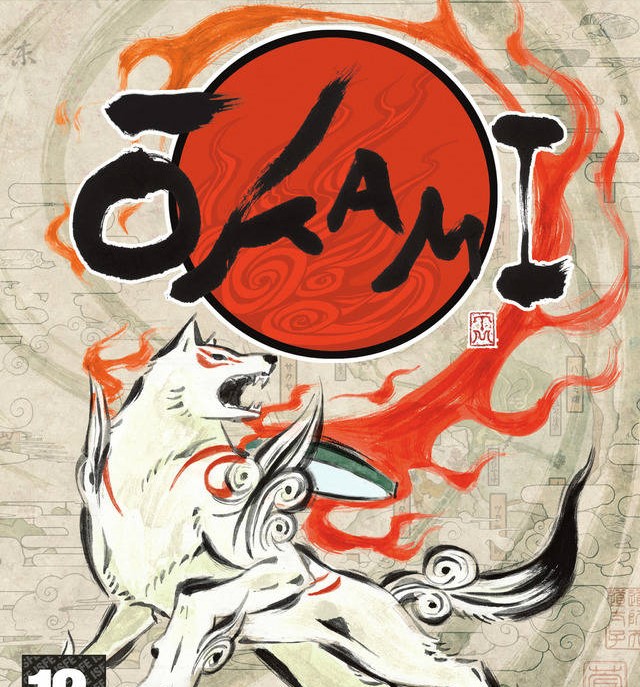
GameOkami(2006)
 Game
GameThe Legend of Zelda: Tears of the Kingdom(2023)
 Game
GameGod of War Collection(2009)
 Game
GameAge of Mythology: Extended Edition(2014)
 Game
GameIndivisible(2019)
 Movie
MovieBlade Runner(1982)
 Game
GameAge of Mythology: Retold(2024)
 Movie
MovieThe Truman Show(1998)
 Movie
MovieRaised by Wolves(2020)
 Game
GameThe Legend of Zelda: Oracle of Ages(2001)
 Game
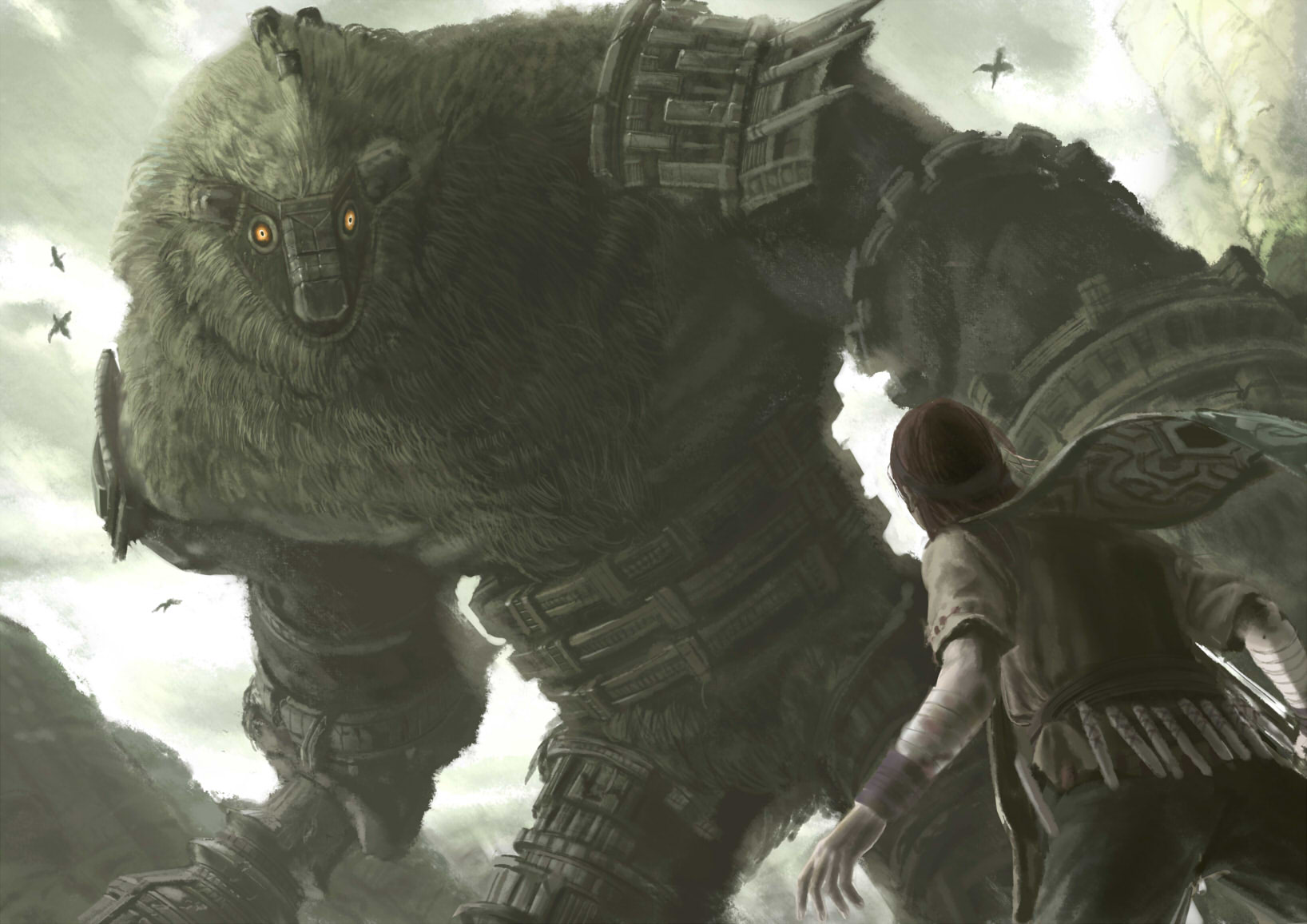
GameShadow of the Colossus (2011)(2011)
 Game
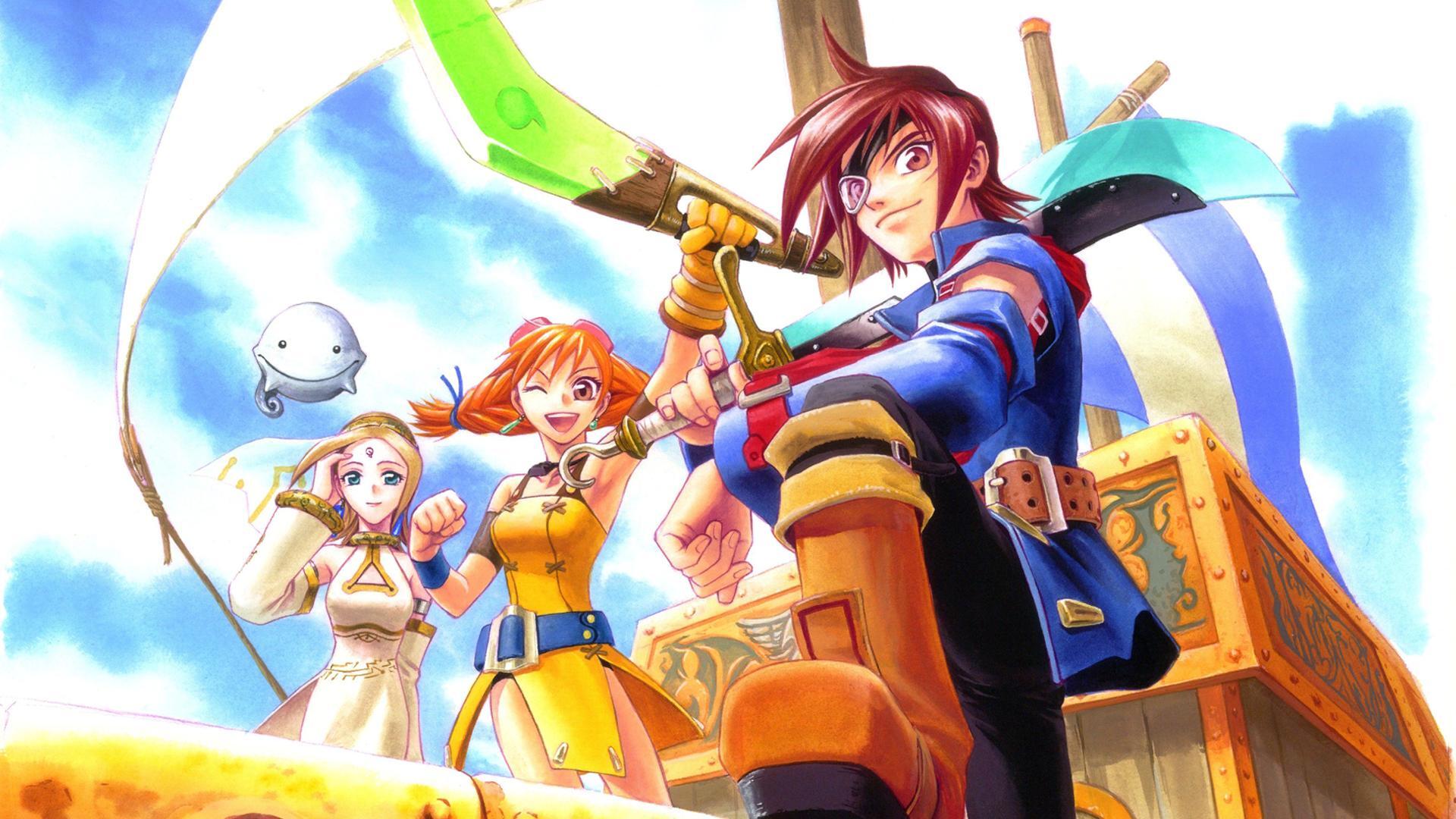
GameSkies of Arcadia(2000)
 Anime
AnimeMagi: The Labyrinth of Magic(2012)
 Anime
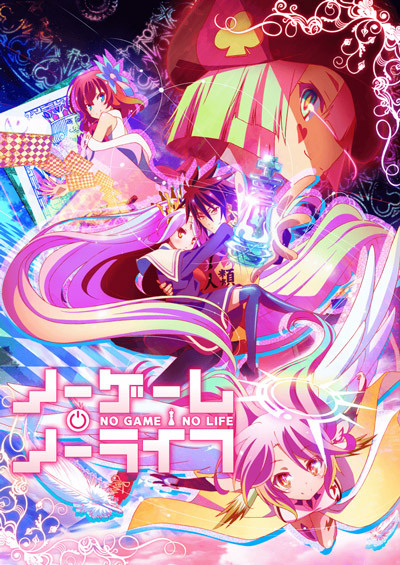
AnimeNo Game, No Life(2014)
 Anime
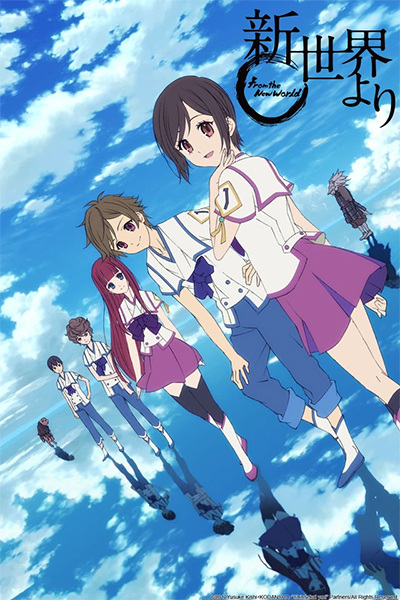
AnimeFrom the New World(2012)
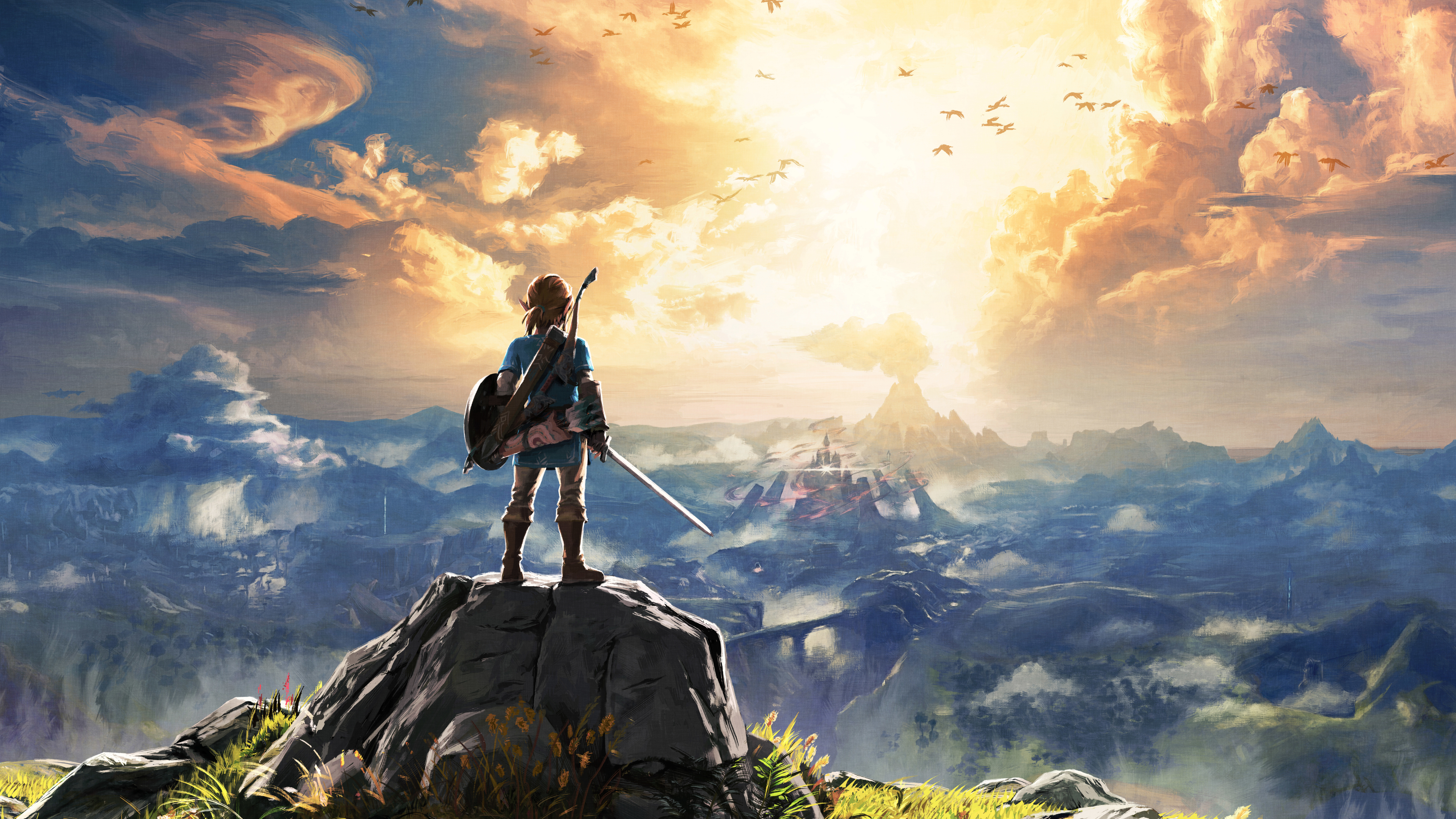 Game
GameThe Legend of Zelda: Breath of the Wild(2017)
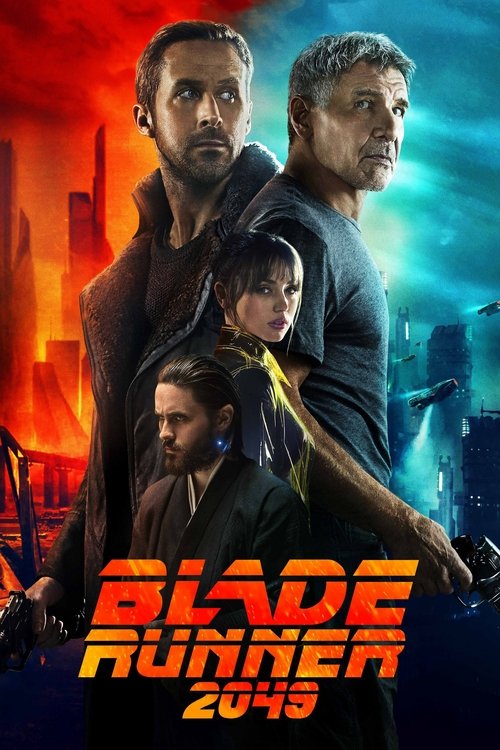 Movie
MovieBlade Runner 2049(2017)
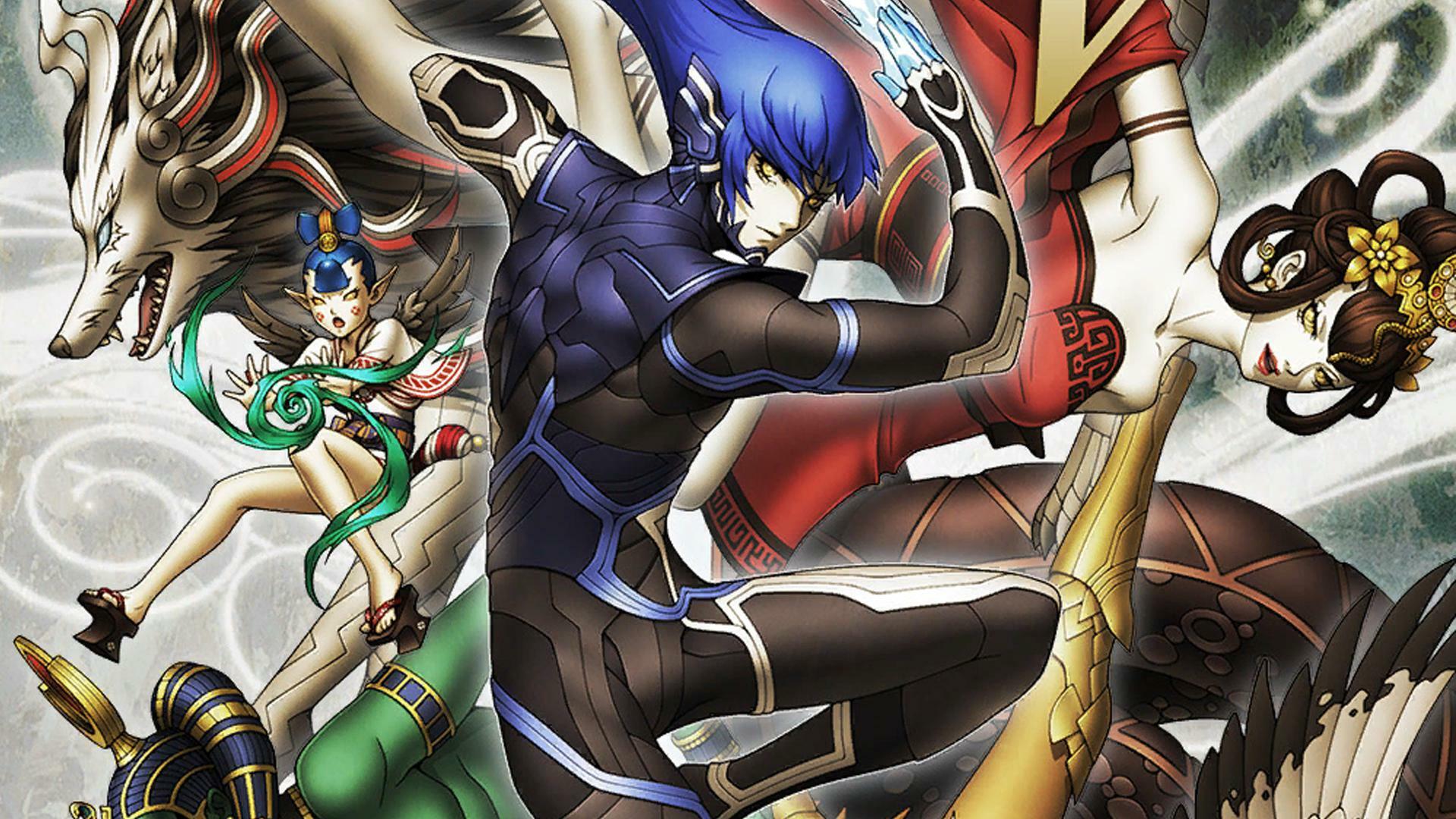 Game
GameShin Megami Tensei V: Vengeance(2024)
Fantasia 2000: Firebird Suite(1999)
 Game
GameTerranigma(1996)
 Movie
MovieA.I. Artificial Intelligence(2001)
 Game
GameXenosaga Episode III: Also sprach Zarathustra(2006)
 Game
GameSOMA(2015)
 TV
TVDark(2017)
 Game
GameOuter Wilds(2019)
Pinocchio(1940)
 TV
TVDevs(2020)
 Game
GameGenesis Noir(2021)
 Game
GameActRaiser(1990)
 Game
GamePokémon Gold, Silver(1999)
 Movie
MovieAnnihilation(2018)
 Movie
MovieEternals(2021)
 Anime
AnimeGilgamesh(2003)
Akira(1988)
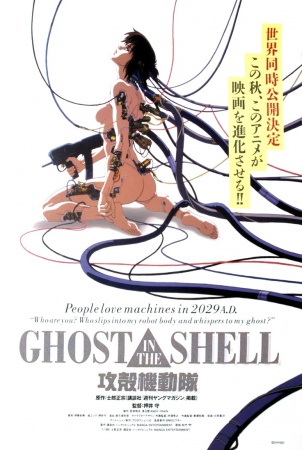 Anime
AnimeGhost in the Shell(1995)
Ergo Proxy(2006)
Bambi(1942)
The Red Turtle(2016)
Fog Hill of Five Elements(2020)
Detailed biblical connections found in each title, mapped to specific scenes and scripture passages.
This passage describes the wickedness of humanity that led to God's decision to flood the earth, paralleling the film's depiction of a corrupt world.
This scene depicts the wickedness of humanity, paralleling the biblical account of God's grief over mankind's sinfulness before the flood.
The film culminates in God's covenant with Noah, which is illustrated through the rainbow, reflecting the biblical promise never to flood the earth again.
This scene where Noah gathers the animals reflects the biblical narrative of God's instructions to Noah to save them from the flood.
This passage describes God's instruction to Noah to gather animals, which is visually represented in the film as Noah prepares the Ark.
Noah's covenant with God after the flood parallels the biblical promise of the rainbow as a sign of God's mercy and commitment to never flood the earth again.
The detailed instructions Noah receives for building the Ark reflect the biblical text, emphasizing obedience to God's command.
This passage draws a parallel between the days of Noah and the coming of the Son of Man, echoing the film's themes of impending judgment.
The scene depicts the final judgment where souls are weighed, paralleling the Last Judgment described in Revelation.
Rei's transformation into Lilith echoes the promise of redemption through the woman in Genesis, symbolizing the birth of a new creation.
Kaworu's death and its implications for humanity reflect the suffering servant motif in Isaiah, emphasizing themes of sacrifice and redemption.
The concept of Instrumentality as a means of salvation mirrors the message of God's love and the gift of eternal life in John.
The Lance of Longinus is a direct reference to Christ's crucifixion, paralleling the themes of sacrifice and the new covenant.
The imagery of darkness covering the deep in the opening scene reflects the creation narrative in Genesis, setting the tone for the themes of creation and destruction.
The visual of the ark in the background serves as a direct reference to Noah's Ark and the divine judgment of the flood.
The egg symbolizes hope and faith, paralleling the definition of faith in Hebrews as the assurance of things hoped for.
The imagery of darkness covering the deep reflects Genesis 1:2, emphasizing the theme of creation from chaos.
The hatching of birds from the egg symbolizes new life and resurrection, echoing Jesus's teaching about the grain of wheat.
The theme of light emerging from darkness connects to the call to be a light in the world as described in Matthew.
Nausicaä's role as the prophesied 'blue-clad one' who will restore balance to the world echoes the vision of peace in Isaiah.
Nausicaä's willingness to sacrifice herself to save the Ohm parallels the ultimate sacrifice of Jesus for humanity.
The Sea of Decay represents a corrupted world being redeemed, paralleling the new creation described in Revelation.
Nausicaä's compassion for the Ohm mirrors Jesus' teachings about mercy and compassion for the marginalized in Matthew.
The concept of creation from nothingness parallels Genesis 1:1, as the characters navigate their existence in a multiverse.
The Dragon Torque serves as a vessel of creation and destruction, echoing the idea that all things were created through Christ as stated in Colossians 1:16.
Haruka's choice to affirm existence resonates with Romans 8:28, where all things work together for good for those who love God.
Tobi/Yuu's transformation into a corrupted figure parallels the fall of Lucifer in Isaiah, representing the theme of a fallen angel.
The theme of sacrifice is central to the narrative, reflecting the idea that greater love is shown through self-sacrifice, paralleling the message in John 15:13.
The judgment scenes in the game resonate with the parable of the sheep and the goats, emphasizing divine judgment based on one's actions.
The characters' willingness to sacrifice themselves for the greater good mirrors the call in Romans 12:1 to present oneself as a living sacrifice.
The conclusion of the game offers hope and renewal, akin to the promise in Revelation 21:4 of wiping away tears and the end of suffering.
King Hamdo's ruthless demand for child soldiers parallels King Herod's massacre of innocents, highlighting the tragic loss of innocence in times of war.
The imagery of the dying sun and the scarcity of water evokes the prophetic droughts seen in Genesis, reflecting the consequences of humanity's corruption.
Shu's determination to maintain hope amidst despair echoes the lament and perseverance found in the Psalms, particularly in seeking solace in God.
The emergence of a new world after catastrophe reflects the prophetic vision of a new creation in Isaiah, symbolizing hope and renewal.
The opening scenes reflect the creation narrative in Genesis, emphasizing themes of chaos and order.
The exploration of existence and the nature of the soul draws parallels to the prologue of John's Gospel.
The conflict between divine beings in the game mirrors the heavenly battle described in Revelation.
The longing for redemption and restoration in the game resonates with Paul's teaching on creation's hope.
The exploration of humanity's darker impulses and the struggle between good and evil echoes the passage that describes the wickedness of humanity before the flood.
The choices the characters face between good and evil reflect the narrow and wide paths described by Jesus, emphasizing the difficulty of choosing righteousness.
The ultimate confrontation between good and evil resonates with the prophecy of the final judgment where evil is cast away.
The struggle against unseen forces of evil reflects the biblical teaching that our struggle is not against flesh and blood, but against spiritual forces.
The themes of resurrection in NIER parallel Jesus' declaration of being the resurrection and the life, as characters face death and rebirth.
The ending of NIER, where hope emerges from despair, reflects the promise of God wiping away every tear and creating a new world.
The journey through the underworld in NIER mirrors the parable of the rich man and Lazarus, exploring themes of judgment and the afterlife.
The characters' struggles with sacrifice and self-denial resonate with Jesus' teaching on taking up one's cross.
The characters' willingness to sacrifice themselves for others resonates with the biblical teaching of laying down one's life for friends.
The theme of love demonstrated through sacrifice is reflected in the characters' actions throughout the narrative.
The moral choices faced by characters echo the biblical principles of judgment and mercy.
The healing themes and the suffering of the characters resonate with the prophecy of the suffering servant.
Link's journey involves significant sacrifices for the sake of others, paralleling the biblical teaching that there is no greater love than to lay down one's life for friends.
The theme of salvation through sacrifice resonates with Link's awakening and his role as the chosen hero to save Hyrule.
The promise of a world without pain and suffering reflects Link's quest to restore peace and harmony to Hyrule.
Link's humble beginnings and his eventual rise to heroism echo the humility and obedience of Christ as described in Philippians.
The theme of sacrifice for friends and loved ones resonates with the biblical notion of laying down one's life for others.
The characters' struggles to find their purpose and offer themselves for a greater cause reflect the call to present oneself as a living sacrifice.
The characters' willingness to embrace humility and serve others echoes the example of Christ's humility as described in Philippians.
The decision to take on burdens for the sake of others reflects the biblical call to take up one's cross and follow.
The conflict against the Valuan Empire can be seen as a representation of the spiritual battles described in Ephesians, highlighting the struggle between good and evil.
The use of sacred weapons in the game parallels the biblical idea that the weapons of our warfare are not carnal but mighty through God.
The assurance of protection against enemies in the game reflects the promise that no weapon formed against you shall prosper.
The climactic battle against the final boss echoes the imagery of Christ returning as a warrior king in Revelation.
The opening scene depicts the creation of the world, paralleling the biblical account of God creating the heavens and the earth.
In a crucial battle, the characters unite their strengths, reminiscent of Moses holding up his hands to ensure victory for Israel.
The protagonist faces a seemingly unbeatable foe, echoing David's confrontation with Goliath, emphasizing faith and courage.
The characters rally against overwhelming odds, reflecting the assurance that no weapon formed against them shall prosper.
The quest for Paradise in the series echoes the biblical description of the Garden of Eden as a place of perfection and divine presence.
The depiction of a new world free from suffering and death parallels the vision of a new heaven and earth in Revelation.
The journey of the characters towards Paradise reflects the biblical teaching of the narrow path that leads to life.
Kiba's role as a protector and leader mirrors the image of Jesus as the Good Shepherd who lays down his life for the sheep.
The series opens with the creation narrative, directly referencing Genesis 1:1, emphasizing the divine act of creation.
The depiction of the new heaven and new earth in the finale reflects the promise of Revelation 21:1.
The portrayal of Noah and the flood aligns with the biblical account of God's judgment and mercy found in Genesis.
The scene where Jesus commissions his disciples echoes the Great Commission in Matthew, emphasizing the call to spread the Gospel.
The series' exploration of creation mirrors the biblical account of creation in Genesis, emphasizing themes of beginnings and potential.
The final scenes of renewal and hope after destruction reflect the promise of no more pain and suffering in Revelation.
The characters' journey to overcome insurmountable odds reflects the promise of renewed strength in Isaiah.
The theme of believing in the impossible and moving mountains resonates with the faith described in Matthew, emphasizing action through belief.
The necessity of blood for atonement in the game parallels the biblical teaching on the importance of sacrifice.
The constant struggle against death and sin in the game reflects the biblical concept of sin leading to death.
The confrontation with death and the ultimate victory over it mirrors the biblical proclamation of death being swallowed up in victory.
The struggle against darkness and the call to be a light in the world reflects the teachings of Jesus about being the light of the world.
Momiji's role as the sacred maiden parallels Abraham's willingness to sacrifice Isaac, highlighting themes of divine sacrifice and obedience.
The battle between Susano-o and the Aragami reflects the cosmic struggle depicted in Revelation, where Michael fights against the dragon.
Momiji's suffering as she bears the mitama mirrors the suffering servant in Isaiah, emphasizing the theme of sacrifice for the greater good.
The concept of a scapegoat in the series is reflected in Leviticus, where the goat is sent into the wilderness to carry away the sins of the people.
Movies
11 titles11 films explore creation & origins through cinematic storytelling — from blockbusters to independent dramas that wrestle with these ancient biblical themes on the big screen.
+ 5 more movies exploring this theme above.
Anime
20 titles20 anime series and films draw on the theme of creation & origins, weaving biblical imagery into the distinctive visual and narrative traditions of Japanese animation.
Neon Genesis Evangelion: The End of Evangelion(1997)
Angel's Egg(1985)
Nausicaä of the Valley of the Wind(1984)
In the Beginning: The Bible Stories(1997)
Wolf's Rain(2003)
RahXephon(2002)
+ 14 more anime exploring this theme above.
Games
31 titles31 video games immerse players in interactive narratives shaped by creation & origins — inviting them to experience these biblical themes firsthand through gameplay and choice.
NieR Replicant v1.22474487139...(2021)
NieR:Automata Game of the YoRHa Edition(2019)
Xenogears (1998)(1998)
Shin Megami Tensei III: Nocturne(2003)
Age of Mythology(2002)
NIER(2010)
+ 25 more games exploring this theme above.
TV Series
3 titles3 television series use the long-form narrative format to deeply explore creation & origins, developing these biblical themes across multiple episodes and seasons.
Explore other biblical archetypes that frequently appear alongside creation & origins in modern media.