
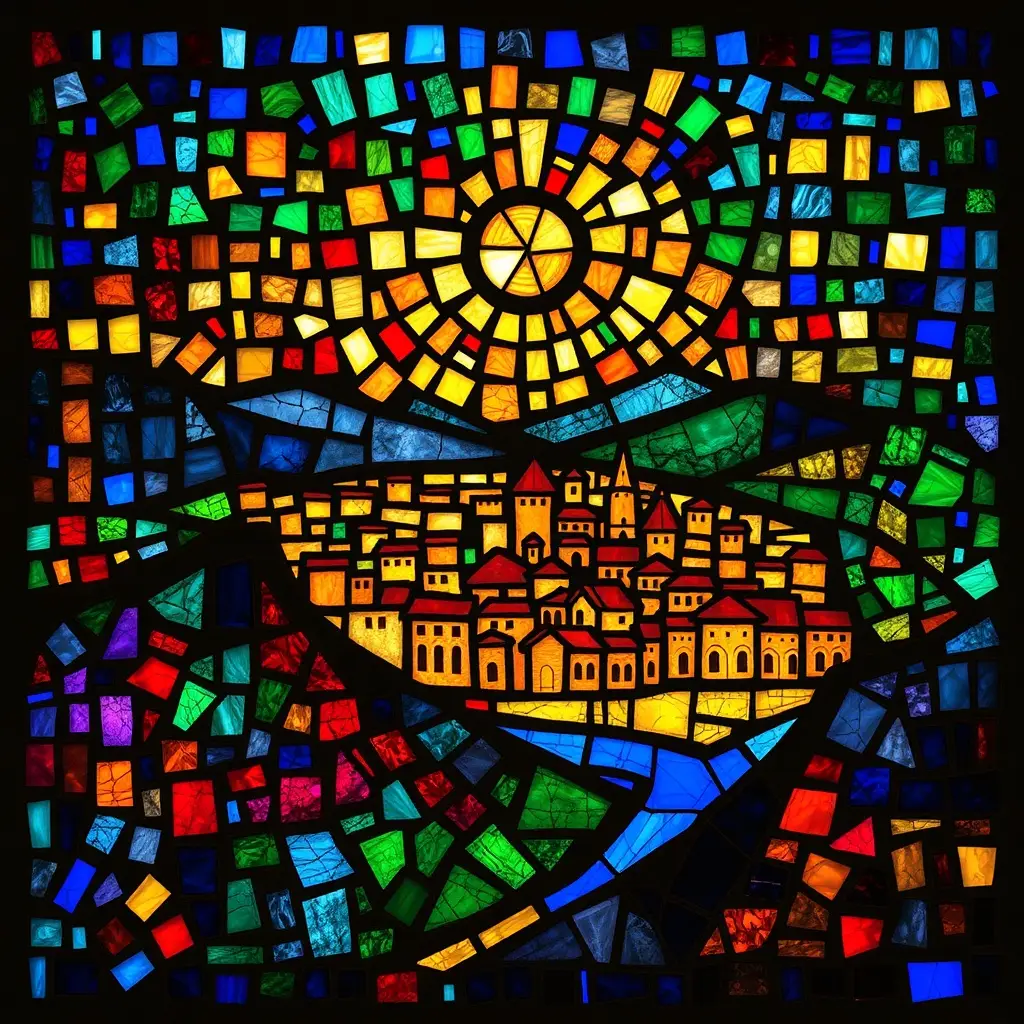
Abel-beth-maacah
Abel-beth-maacah is an ancient city mentioned in the Old Testament, located in the region of Phoenicia in modern-day Israel. Known today as Tel Abel Beth Maacah. It appears across 6 verses in Scripture.
Biblical History
Abel-beth-maacah was a significant fortified city in northern Israel, appearing in Scripture at pivotal moments of political crisis. Its first major appearance is in 2 Samuel 20, when the rebel Sheba son of Bichri flees from David's forces and takes refuge within the city. Joab besieges Abel-beth-maacah and begins constructing a siege ramp against its walls, threatening total destruction. A wise woman of the city calls out to Joab, appealing to the city's ancient reputation as a place where disputes were settled, it was called a 'mother in Israel' and a city of peace (2 Samuel 20:18–19). Through her negotiation, the citizens execute Sheba and cast his head over the wall, ending the siege without the city's destruction. This episode illustrates the city's long-standing reputation for wisdom and diplomacy. Abel-beth-maacah reappears in 1 Kings 15:20, when Ben-hadad I of Syria strikes it during a military campaign against King Baasha of Israel, and again in 2 Kings 15:29, when the Assyrian king Tiglath-pileser III captures it during his campaign that dismembers the northern kingdom, deporting its population around 733–732 BC.
Archaeological & Historical Notes
Abel-beth-maacah is identified with Tel Abel Beth Maacah, situated in northern Israel near the modern town of Metula, at the foot of the Hermon massif close to the Lebanese and Syrian borders. The tell has been under systematic excavation since 2012 by teams from Hebrew Union College, Tel Dan Archaeological Project, and other institutions. Excavations have revealed a substantial Middle Bronze Age fortification system, Late Bronze Age occupation, and significant Iron Age remains including a large administrative building. A striking discovery from the Iron Age stratum includes storage jars and artifacts consistent with a prosperous urban center, along with evidence of destruction layers that may correspond to the Assyrian campaign recorded in 2 Kings 15:29.
Verse Appearances (6)
References
- Orr, J. (ed.) (1915) The International Standard Bible Encyclopedia. Chicago: Howard-Severance Company. [Public Domain]
- OpenBible.info (n.d.) Bible Geocoding. Available at: https://www.openbible.info/geo/. [CC BY 4.0]
- Bagnall, R. et al. (eds.) (n.d.) Pleiades: A Gazetteer of Past Places. Available at: https://pleiades.stoa.org. [CC BY 3.0]
- Church of England (1769) The Holy Bible, Authorized (King James) Version. [Public Domain]