
Achaicus
Achaicus, along with Stephanas and Fortunatus, visited Paul from Corinth.
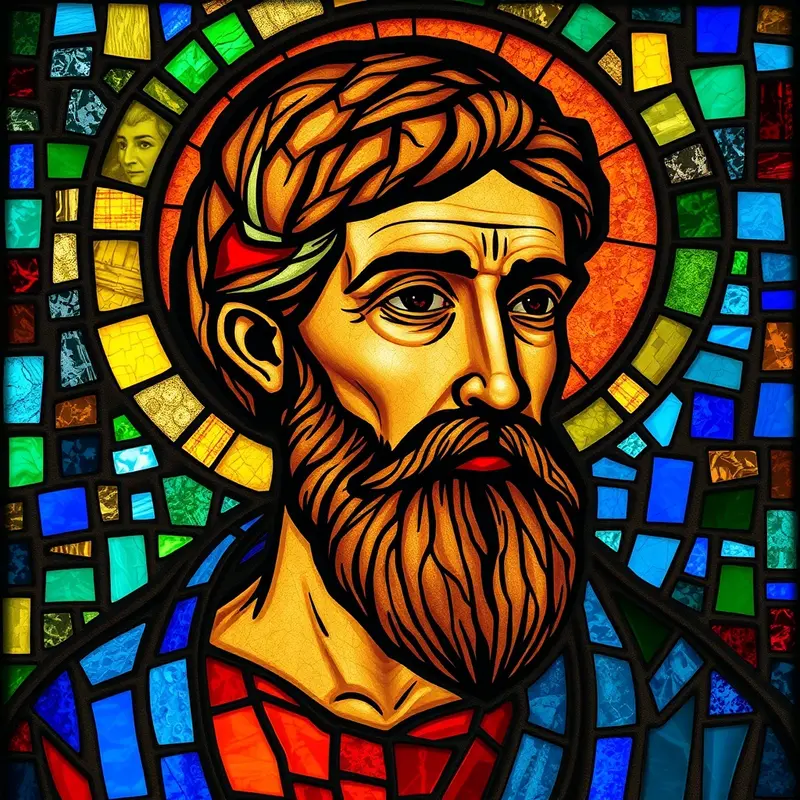
Biography
Achaicus is mentioned in the closing verses of Paul's first letter to the Corinthians, where the apostle commends him together with Stephanas and Fortunatus as members of the household of Stephanas who had traveled from Corinth to visit Paul (1 Corinthians 16:17-18). His name is Greek, meaning "belonging to Achaia", the Roman province encompassing southern Greece, which may indicate a Gentile background or simply reflect the Hellenistic naming conventions common among first-century believers. Paul states that these three men had refreshed his spirit and would refresh the Corinthians' spirits in return, implying they served as couriers or emissaries carrying communication between Paul and the troubled congregation at Corinth. Their visit likely prompted or informed Paul's composition of 1 Corinthians.
Significance
Achaicus exemplifies the indispensable network of unnamed and little-known servants who sustained Paul's missionary work and the early church's cohesion. Paul's commendation that such men deserve recognition (1 Corinthians 16:18) reflects an early Christian theology of mutual service and honor within the body of Christ. These informal emissaries bridged the geographic and relational distances that threatened to fracture nascent communities, carrying not just letters but pastoral presence. Achaicus reminds the church in every era that faithful, practical service, traveling, carrying news, refreshing weary leaders, is itself a profound form of ministry that sustains the proclamation of the gospel.
Verse Appearances (2)
1 Corinthians
References
- Orr, J. (ed.) (1915) The International Standard Bible Encyclopedia. Chicago: Howard-Severance Company. [Public Domain]
- Tyndale House, Cambridge (n.d.) Translators Individualised Proper Names with all References (TIPNR). STEPBible. Available at: https://www.stepbible.org. [CC BY 4.0]
- Church of England (1769) The Holy Bible, Authorized (King James) Version. [Public Domain]