
Agur
Agur, son of Jakeh, is credited as the author of Proverbs 30. (Pro.30.1)
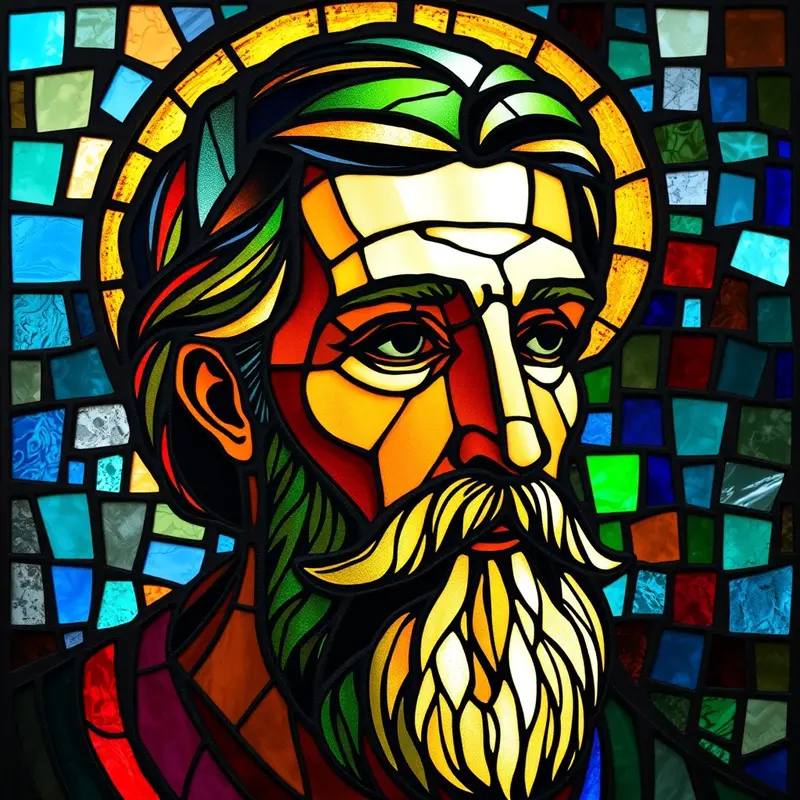
Biography
Agur, son of Jakeh, stands as one of Scripture's most enigmatic sages. He is credited as the author of Proverbs 30, a remarkable collection of oracular sayings addressed to two recipients named Ithiel and Ucal. Agur opens his discourse with a striking confession of intellectual humility, declaring himself more brutish than any man and lacking human understanding (Prov. 30:2-3). His self-deprecation before God's incomprehensible wisdom is followed by a series of numerical proverbs, observations drawn from nature and human behavior, that reveal a keen, observant mind. Whether Agur was an Israelite or a foreign sage incorporated into the wisdom tradition remains debated, yet his words stand as canonical Scripture, his insights woven permanently into Israel's wisdom literature.
Significance
Agur's theological contribution lies chiefly in his radical posture of epistemic humility before God. His rhetorical questions: 'Who has ascended into heaven and descended? Who has gathered the wind in His fists?' (Prov. 30:4), anticipate the divine speeches in Job and foreshadow New Testament themes of God's transcendence made known through Christ (cf. John 3:13). His famous prayer for neither poverty nor riches (Prov. 30:8-9) models a contentment that the New Testament commends (1 Tim. 6:6-8). Agur teaches that true wisdom begins not with accumulated knowledge but with the honest acknowledgment of human limitation before an infinite God.
Verse Appearances (1)
Proverbs
References
- Orr, J. (ed.) (1915) The International Standard Bible Encyclopedia. Chicago: Howard-Severance Company. [Public Domain]
- Tyndale House, Cambridge (n.d.) Translators Individualised Proper Names with all References (TIPNR). STEPBible. Available at: https://www.stepbible.org. [CC BY 4.0]
- Church of England (1769) The Holy Bible, Authorized (King James) Version. [Public Domain]