
Oholiab
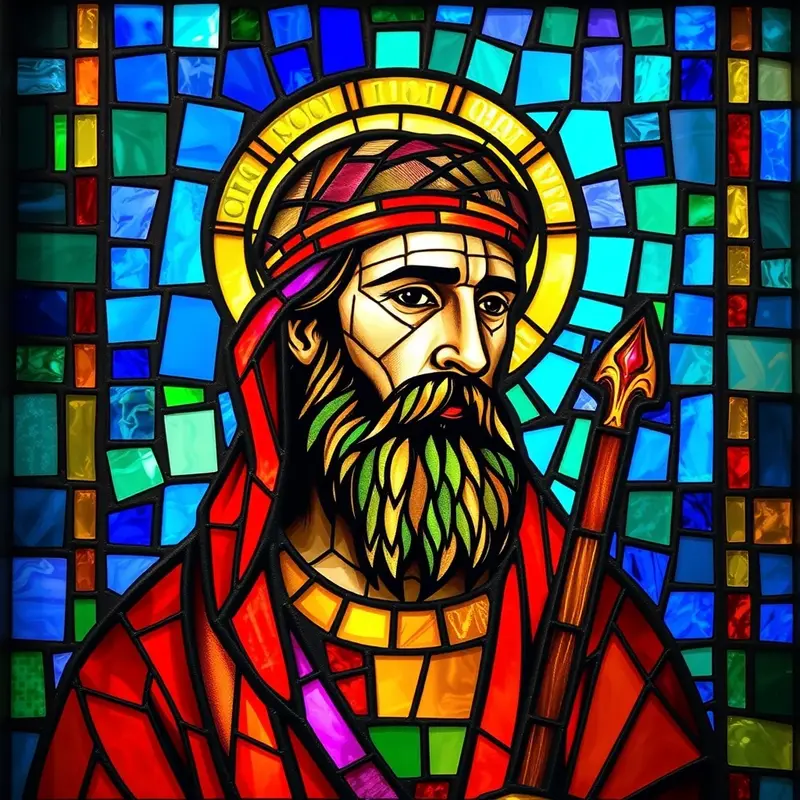
Oholiab was a skilled craftsman from the tribe of Dan who was appointed to work on the construction of the tabernacle.
Biography
Oholiab son of Ahisamach, from the tribe of Dan, was divinely appointed alongside Bezalel as a master craftsman for the construction of the tabernacle in the wilderness (Exodus 31:1-6). God specifically filled Oholiab with skill, ability, and knowledge in all manner of craftsmanship, including engraving, embroidering, and weaving in blue, purple, and scarlet yarn and fine linen (Exodus 38:23). While Bezalel is often highlighted as the primary artisan, Oholiab served as his essential partner, and together they trained other skilled workers to complete the sacred project. His expertise extended across metalwork, woodcarving, and textile arts, the full range of crafts required for the tabernacle's intricate design. Oholiab's commission directly from God elevated artistic craftsmanship to the level of sacred calling.
Significance
Oholiab's appointment by God carries profound theological implications for understanding vocation and the Holy Spirit's work. He is among the first individuals in Scripture explicitly described as filled with the Spirit of God for the purpose of artistic creation (Exodus 35:30-35). This divine enablement demonstrates that skilled craftsmanship is not merely secular talent but can be a direct gift from God for sacred purposes. Coming from the tribe of Dan rather than the priestly tribe of Levi, Oholiab shows that God calls workers from every segment of the community. His partnership with Bezalel models collaborative ministry, and his legacy affirms that beauty in worship is not peripheral but central to God's design for meeting with His people.
Verse Appearances (5)
References
- Orr, J. (ed.) (1915) The International Standard Bible Encyclopedia. Chicago: Howard-Severance Company. [Public Domain]
- Tyndale House, Cambridge (n.d.) Translators Individualised Proper Names with all References (TIPNR). STEPBible. Available at: https://www.stepbible.org. [CC BY 4.0]
- Church of England (1769) The Holy Bible, Authorized (King James) Version. [Public Domain]