
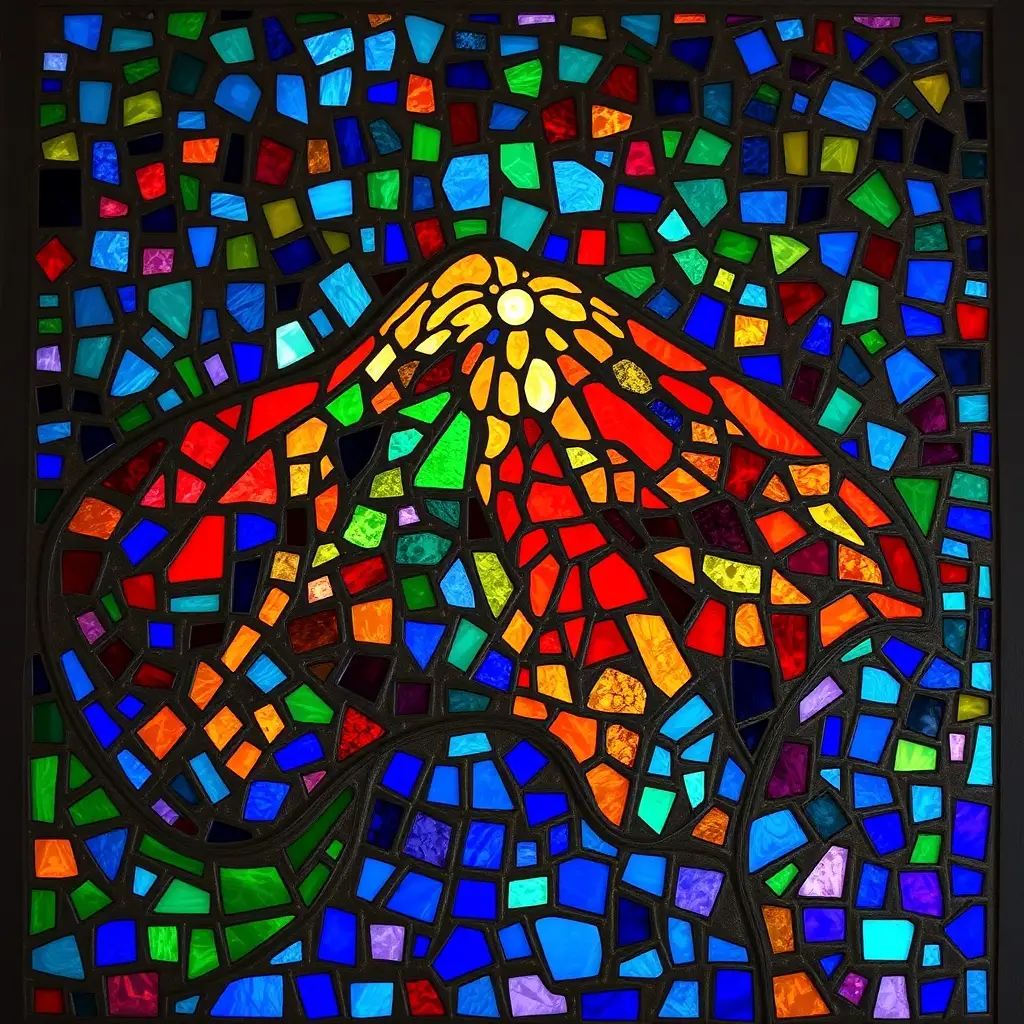
Ararat
Ararat is a region mentioned in the Old Testament, located in the region of Asia Minor in modern-day Turkey. Known today as Urartu. It appears across 4 verses in Scripture.
Biblical History
Ararat appears four times in the Old Testament and is most familiar as the mountain range on which Noah's ark came to rest after the great flood. Genesis 8:4 records that "in the seventh month, on the seventeenth day of the month, the ark rested on the mountains of Ararat." The Hebrew term refers not to a single peak but to a mountainous region, the biblical Ararat corresponds to the ancient kingdom of Urartu, centered in the highlands of eastern Anatolia around Lake Van. The account presents the ark's resting place as the starting point of post-flood human history, the high point of transition from judgment to new creation. In 2 Kings 19:37 (= Isaiah 37:38), Ararat appears again as the land to which Sennacherib's sons fled after assassinating their father, the Assyrian records and biblical account converging on the Urartian highlands as a place of political refuge. Jeremiah 51:27 summons "the kingdoms of Ararat, Minni, and Ashkenaz" as instruments of divine judgment against Babylon, indicating Ararat's status as a recognized regional power in the prophetic worldview.
Archaeological & Historical Notes
The ancient kingdom of Urartu, corresponding to biblical Ararat, flourished in eastern Anatolia (modern eastern Turkey and Armenia) during the ninth to seventh centuries BCE. Its capital Tushpa (modern Van) and numerous fortresses have been excavated, revealing impressive stone architecture, bronze metalwork, and cuneiform inscriptions in the Urartian language. The iconic volcanic peak Mount Ararat (Agri Dagi, 5,165 meters) is the highest point in modern Turkey, and its permanent snow cap has inspired millennia of ark-search expeditions, none of which has produced verified archaeological evidence. Urartian material culture is displayed in the Van Museum, and ongoing excavations at Ayanis, Cavustepe, and other sites continue to illuminate this sophisticated highland civilization.
Verse Appearances (4)
References
- Orr, J. (ed.) (1915) The International Standard Bible Encyclopedia. Chicago: Howard-Severance Company. [Public Domain]
- OpenBible.info (n.d.) Bible Geocoding. Available at: https://www.openbible.info/geo/. [CC BY 4.0]
- Bagnall, R. et al. (eds.) (n.d.) Pleiades: A Gazetteer of Past Places. Available at: https://pleiades.stoa.org. [CC BY 3.0]
- Church of England (1769) The Holy Bible, Authorized (King James) Version. [Public Domain]