
Archippus
Archippus, addressed as a fellow soldier by Paul, was urged to complete the ministry he had received in the Lord.
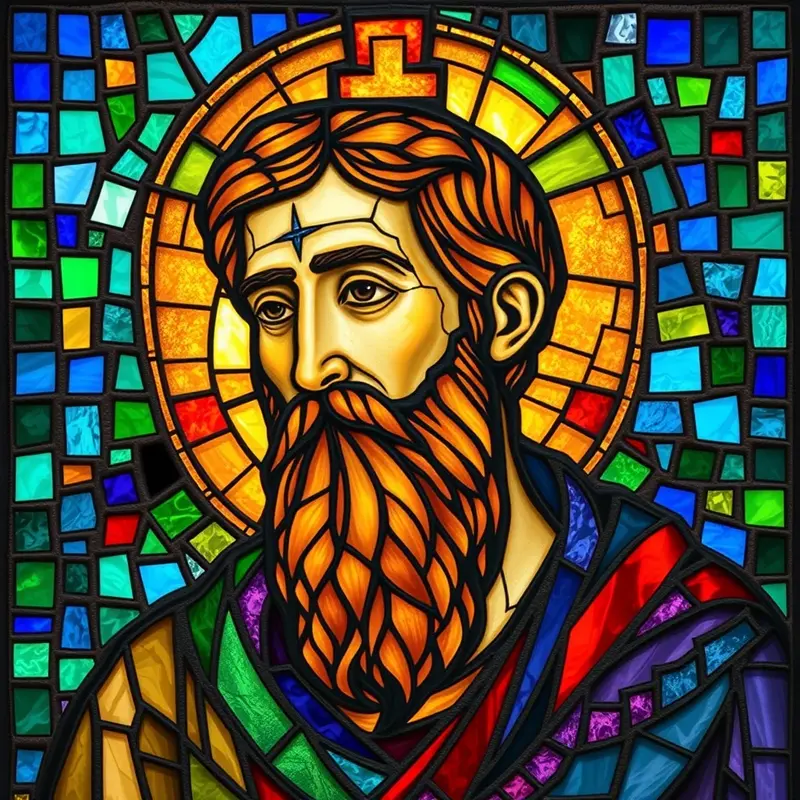
Biography
Archippus is mentioned twice in the New Testament: in Philemon 2, where Paul addresses him as "our fellow soldier," and in Colossians 4:17, where Paul urges the church to tell Archippus, "See to it that you complete the ministry you have received in the Lord." Most scholars believe he was a member of the church at Colossae and possibly the son of Philemon and Apphia, given the way Paul addresses these three together in Philemon 1–2. His designation as a "fellow soldier" suggests active and sacrificial involvement in the spread of the gospel alongside Paul. The exhortation to complete his ministry implies he had received a specific calling or task, though its precise nature is not identified in the text.
Significance
Archippus embodies the New Testament vision of ministry as a received calling that demands faithful completion. Paul's direct charge to him: "complete the ministry you have received in the Lord" (Colossians 4:17), carries a note of urgency that has resonated with Christian workers throughout the centuries. Whether he was flagging in his duties or simply needed public encouragement and accountability, the apostolic word addressed to him became canonical instruction for the entire church. The military metaphor "fellow soldier" (Philemon 2) places Archippus within the company of Paul, Timothy, and Epaphroditus, others so honored in the Pauline letters, and underscores that gospel ministry is not a passive occupation but a costly, disciplined vocation requiring perseverance to the end.
Verse Appearances (2)
Colossians
Philemon
References
- Orr, J. (ed.) (1915) The International Standard Bible Encyclopedia. Chicago: Howard-Severance Company. [Public Domain]
- Tyndale House, Cambridge (n.d.) Translators Individualised Proper Names with all References (TIPNR). STEPBible. Available at: https://www.stepbible.org. [CC BY 4.0]
- Church of England (1769) The Holy Bible, Authorized (King James) Version. [Public Domain]