
Dionysius
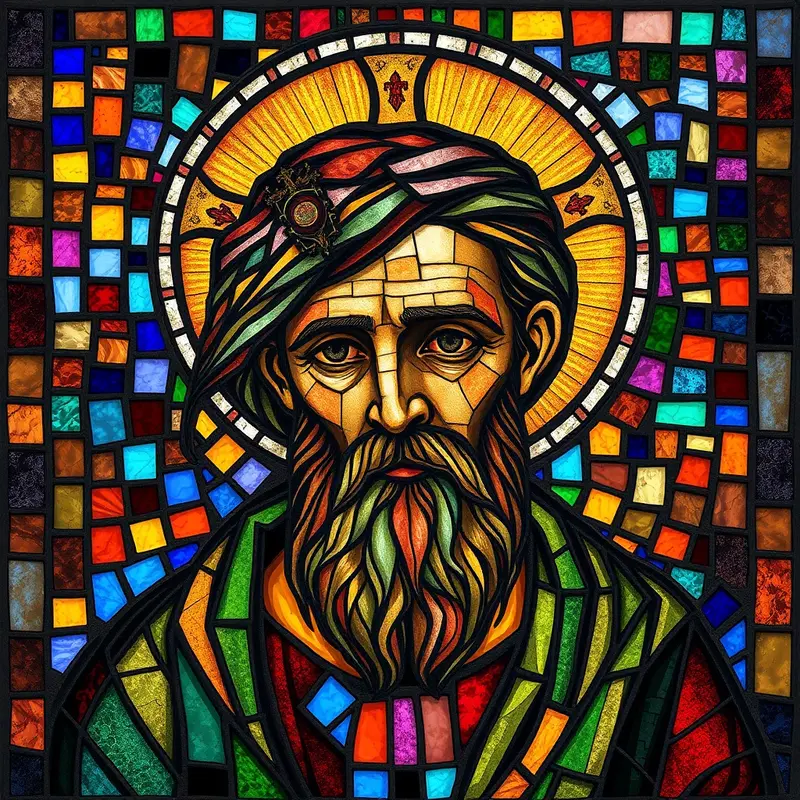
Dionysius the Areopagite was one of the people who believed Paul's message when he preached in Athens. (Act.17.34)
Biography
Dionysius the Areopagite was a member of the prestigious Areopagus council in Athens, the ancient city's highest judicial and cultural authority, who became a believer in Jesus Christ following Paul's famous address on Mars Hill (Acts 17:34). The Areopagus was the body that evaluated new religious ideas presented in Athens, making Dionysius's conversion particularly significant. Paul's sermon at the Areopagus addressed the Athenians' devotion to the "unknown god," proclaiming the resurrection of Jesus Christ as the revelation of the creator God. While many sneered and others delayed commitment, Dionysius and a woman named Damaris believed. Later Christian tradition identifies him as the first bishop of Athens, though the writings attributed to "Pseudo-Dionysius the Areopagite" in the fifth and sixth centuries are considered a later composition.
Significance
Dionysius the Areopagite represents the penetration of the gospel into the intellectual and civic elite of the ancient Greek world. His conversion at Paul's Mars Hill sermon demonstrates that the message of Christ crucified and risen could reach even the most educated and philosophically sophisticated minds of the Greco-Roman world. As a member of Athens's ruling council, his faith challenged the cultural assumption that Christianity was merely a superstition for the uneducated. His story encourages the church that no social class or intellectual milieu is beyond the reach of the gospel, and that God can transform even the centers of human wisdom through the proclamation of Christ's resurrection.
Verse Appearances (1)
Acts
References
- Orr, J. (ed.) (1915) The International Standard Bible Encyclopedia. Chicago: Howard-Severance Company. [Public Domain]
- Tyndale House, Cambridge (n.d.) Translators Individualised Proper Names with all References (TIPNR). STEPBible. Available at: https://www.stepbible.org. [CC BY 4.0]
- Church of England (1769) The Holy Bible, Authorized (King James) Version. [Public Domain]