
Merodach-baladan
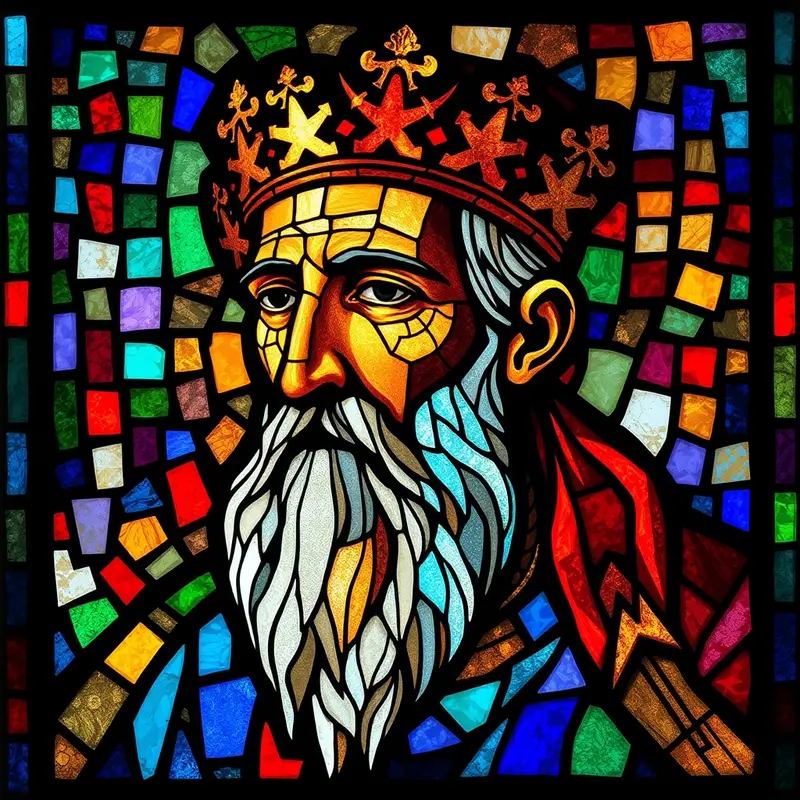
Merodach-baladan, king of Babylon, sent letters and a gift to Hezekiah, king of Judah (2Ki.20.12; Isa.39.1).
Biography
Merodach-baladan (also known as Marduk-apla-iddina II) was a Chaldean king of Babylon who twice seized the Babylonian throne and became a persistent thorn to the Assyrian Empire during the late eighth century BC. Scripture records in 2 Kings 20:12 and Isaiah 39:1 that he sent envoys bearing letters and a gift to King Hezekiah of Judah after hearing of the king's illness and recovery. While ostensibly a diplomatic gesture of goodwill, the embassy almost certainly carried political motivations, Merodach-baladan was seeking allies against their common Assyrian adversary. Hezekiah received the envoys warmly and showed them the full extent of his treasuries and armories, an act of pride that drew sharp prophetic rebuke from Isaiah, who declared that everything shown would one day be carried off to Babylon.
Significance
Merodach-baladan's embassy to Hezekiah stands as a pivotal moment in Israel's prophetic history. Isaiah's response to Hezekiah's display of wealth became one of the earliest explicit prophecies of the Babylonian exile (Isaiah 39:5-7), linking this seemingly minor diplomatic incident to the catastrophic judgment that would come over a century later. The episode reveals how political pragmatism and human pride can intersect with divine warning. Hezekiah's failure to credit God before a pagan king, choosing instead to display material wealth, exposed a spiritual vulnerability that foreshadowed Judah's eventual downfall. Merodach-baladan thus serves as an unwitting catalyst in the prophetic narrative, his political ambitions becoming the occasion for one of Scripture's most consequential warnings.
Verse Appearances (2)
2 Kings
Isaiah
References
- Orr, J. (ed.) (1915) The International Standard Bible Encyclopedia. Chicago: Howard-Severance Company. [Public Domain]
- Tyndale House, Cambridge (n.d.) Translators Individualised Proper Names with all References (TIPNR). STEPBible. Available at: https://www.stepbible.org. [CC BY 4.0]
- Church of England (1769) The Holy Bible, Authorized (King James) Version. [Public Domain]