
Abimelech
Abimelech, a son of Gideon, declared himself king of Shechem but was eventually killed when a millstone was dropped on his head during the siege of Thebez.
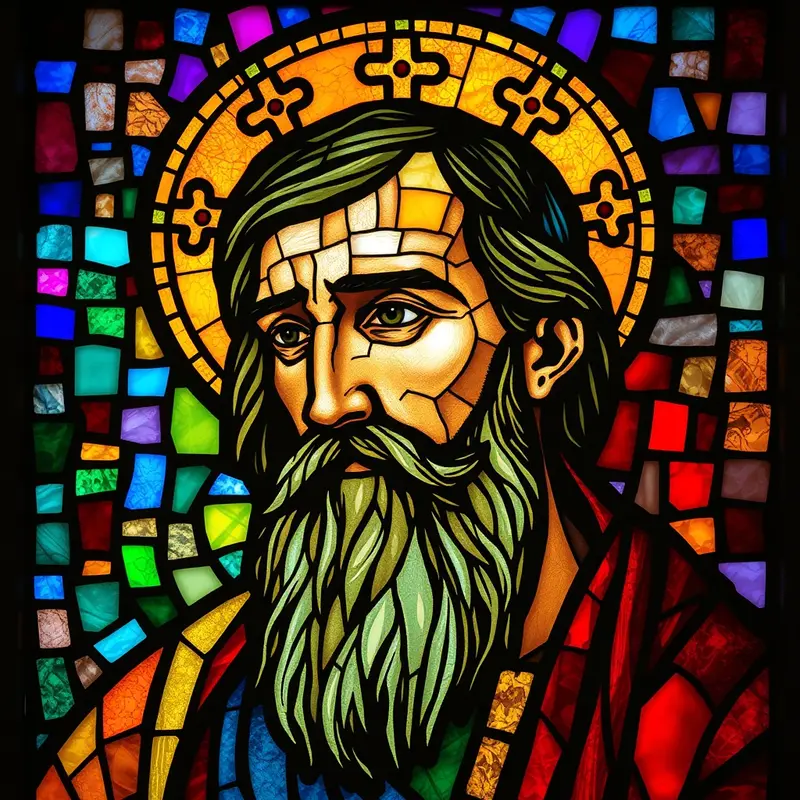
Biography
Abimelech, son of the judge Gideon (also called Jerubbaal) by a Shechemite concubine, was one of the Old Testament's most ruthless and ambitious figures. After his father's death, he convinced the citizens of Shechem to fund his political rise, then murdered seventy of his half-brothers on a single stone, the sons of Gideon, to eliminate any rival claim to power (Judges 9:1–5). Only the youngest, Jotham, escaped to deliver a prophetic fable condemning Abimelech's reign. He ruled as a self-appointed king over Shechem for three years before internal strife erupted. While besieging the city of Thebez, a woman dropped an upper millstone on his head; mortally wounded, he commanded his armor-bearer to run him through so no one could say a woman had killed him (Judges 9:53–54).
Significance
Abimelech's story constitutes one of the Bible's most explicit warnings against the lust for power and the exploitation of ethnic identity for political gain. His use of his mother's Shechemite connections to seize authority, followed by mass fratricide, represents an inversion of the leadership ideals modeled by his father Gideon. Jotham's fable (Judges 9:7–20) is among the earliest political parables in world literature, warning that unworthy rulers will ultimately destroy those who empower them. The manner of Abimelech's death, at the hand of an unnamed woman, is both ironic and deliberate, echoing the book of Judges' consistent pattern of God using unexpected agents to humble the arrogant and deliver the oppressed.
Verse Appearances (37)
Judg
2Sam
References
- Orr, J. (ed.) (1915) The International Standard Bible Encyclopedia. Chicago: Howard-Severance Company. [Public Domain]
- Tyndale House, Cambridge (n.d.) Translators Individualised Proper Names with all References (TIPNR). STEPBible. Available at: https://www.stepbible.org. [CC BY 4.0]
- Wikidata contributors (n.d.) Wikidata. Available at: https://www.wikidata.org. [CC0]
- Church of England (1769) The Holy Bible, Authorized (King James) Version. [Public Domain]