
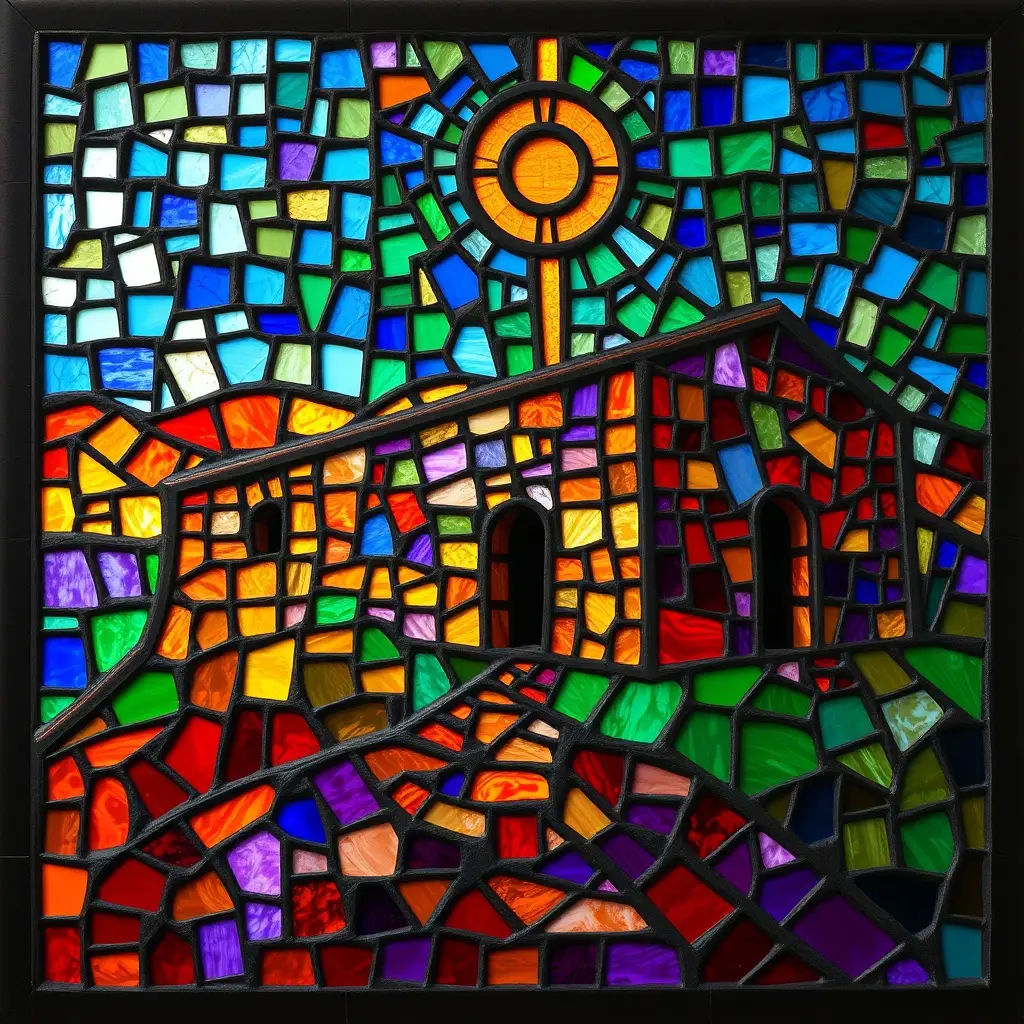
Beth-millo
Beth-millo is a structure mentioned in the Old Testament, located in the region of Samaria in modern-day Israel. Known today as Tell Balatah. It appears across 3 verses in Scripture.
Biblical History
Beth-millo, literally "house of the filling" or "house of the terrace," refers to a structure or fortified quarter associated with the ancient city of Shechem. The term millo (from the Hebrew root meaning "to fill") denotes a type of terraced earthen fill construction used to create artificial platforms for buildings or fortifications. Beth-millo appears in the dramatic account of Abimelech's kingship in Judges 9, where the men of Beth-millo join with the citizens of Shechem in supporting Abimelech's violent seizure of power (Judges 9:6, 20). When Abimelech's rule collapses, Jotham's parable-curse calls down judgment on both Shechem and Beth-millo. The site is linked to the Canaanite temple of Baal-berith situated nearby, and the proximity suggests Beth-millo may have been a civic or military quarter adjacent to the sanctuary. The eventual destruction of Shechem's tower and the killing of those who had taken refuge in the temple of El-berith (Judges 9:46–49) represents one of the most vivid episodes of divine retributive justice in the book of Judges, with Beth-millo serving as a central arena of that judgment.
Archaeological & Historical Notes
Tell Balatah, the ancient site of Shechem located near modern Nablus, has been extensively excavated, primarily by German expeditions in the early 20th century and by American teams in the 1950s-60s under G. Ernest Wright. Excavations uncovered a massive migdal (fortress-temple) dating to the Middle and Late Bronze Ages, widely identified with the temple of Baal-berith mentioned in Judges 9. Evidence of significant destruction layers aligns with the biblical account of Shechem's violent fate. The millo construction at Shechem likely corresponds to the earthen fill terracing visible in the archaeological record. The site preserves remains spanning the Chalcolithic through Hellenistic periods, making it one of the most thoroughly documented tells in the central highlands.
Verse Appearances (3)
2Kgs
References
- Orr, J. (ed.) (1915) The International Standard Bible Encyclopedia. Chicago: Howard-Severance Company. [Public Domain]
- OpenBible.info (n.d.) Bible Geocoding. Available at: https://www.openbible.info/geo/. [CC BY 4.0]
- Bagnall, R. et al. (eds.) (n.d.) Pleiades: A Gazetteer of Past Places. Available at: https://pleiades.stoa.org. [CC BY 3.0]
- Wikidata contributors (n.d.) Wikidata. Available at: https://www.wikidata.org. [CC0]
- Lawrence, D. et al. (2025) Villages to Empires: a settlement dataset for the Southern Levant. doi:10.5281/zenodo.15111732. [CC BY 4.0]
- Church of England (1769) The Holy Bible, Authorized (King James) Version. [Public Domain]