
Ebed-melech
Ebed-melech, an Ethiopian eunuch in King Zedekiah's service, rescued the prophet Jeremiah from a cistern and was promised safety by God for his faith. (Jer.38.7,8,10,11,12; 39.16)
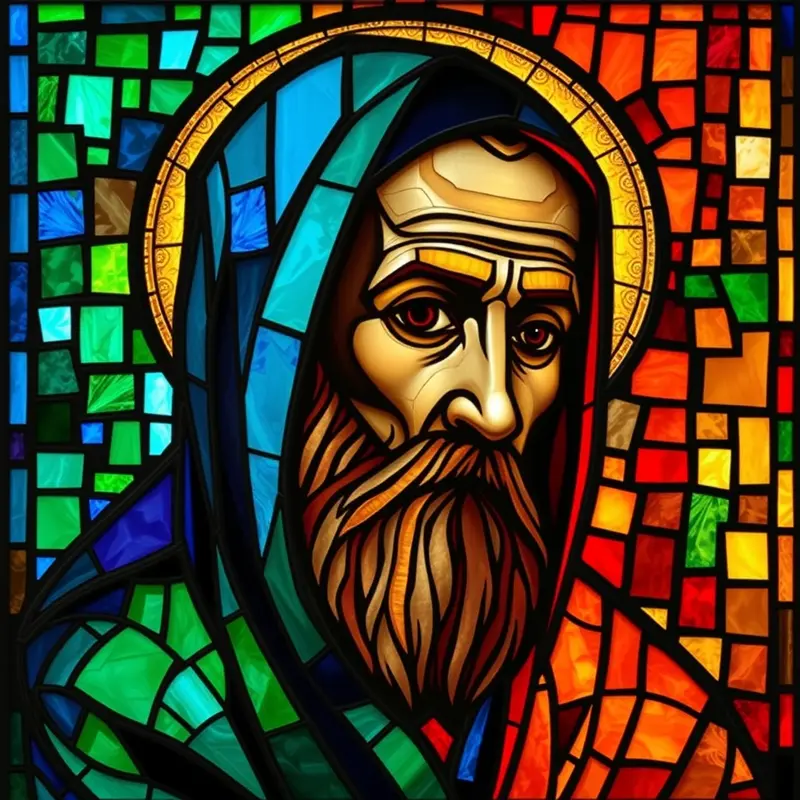
Biography
Ebed-melech, whose name means "servant of the king," was an Ethiopian eunuch serving in the royal court of King Zedekiah of Judah during the final, desperate years before Jerusalem's fall to Babylon. When the prophet Jeremiah was cast into a muddy cistern and left to die by hostile officials (Jeremiah 38:6), Ebed-melech alone interceded with Zedekiah and obtained permission to rescue him. He organized the effort with remarkable compassion, lowering worn rags for Jeremiah to pad the ropes before pulling him out (Jeremiah 38:11-12). This act of moral courage on behalf of God's prophet set him apart from the political cowardice surrounding him. God honored his faithfulness with a personal promise of protection when Jerusalem fell (Jeremiah 39:16-18).
Significance
Ebed-melech stands as one of Scripture's most striking examples of courageous faith expressed through a single decisive act. As a foreigner and a eunuch, doubly marginalized in ancient Israelite society, he demonstrated greater moral clarity than the king's own advisors. His willingness to risk his position and possibly his life to rescue Jeremiah echoes the prophetic principle that true worship of God is inseparable from acts of justice and mercy. The divine promise extended to him in Jeremiah 39:16-18 anticipates the New Testament affirmation that faith expressed in righteous deeds crosses all ethnic and social boundaries before God.
Verse Appearances (6)
References
- Orr, J. (ed.) (1915) The International Standard Bible Encyclopedia. Chicago: Howard-Severance Company. [Public Domain]
- Tyndale House, Cambridge (n.d.) Translators Individualised Proper Names with all References (TIPNR). STEPBible. Available at: https://www.stepbible.org. [CC BY 4.0]
- Wikidata contributors (n.d.) Wikidata. Available at: https://www.wikidata.org. [CC0]
- Church of England (1769) The Holy Bible, Authorized (King James) Version. [Public Domain]