
Obadiah
Obadiah was a palace administrator under King Ahab who feared the Lord and protected a hundred prophets during Jezebel's persecution.
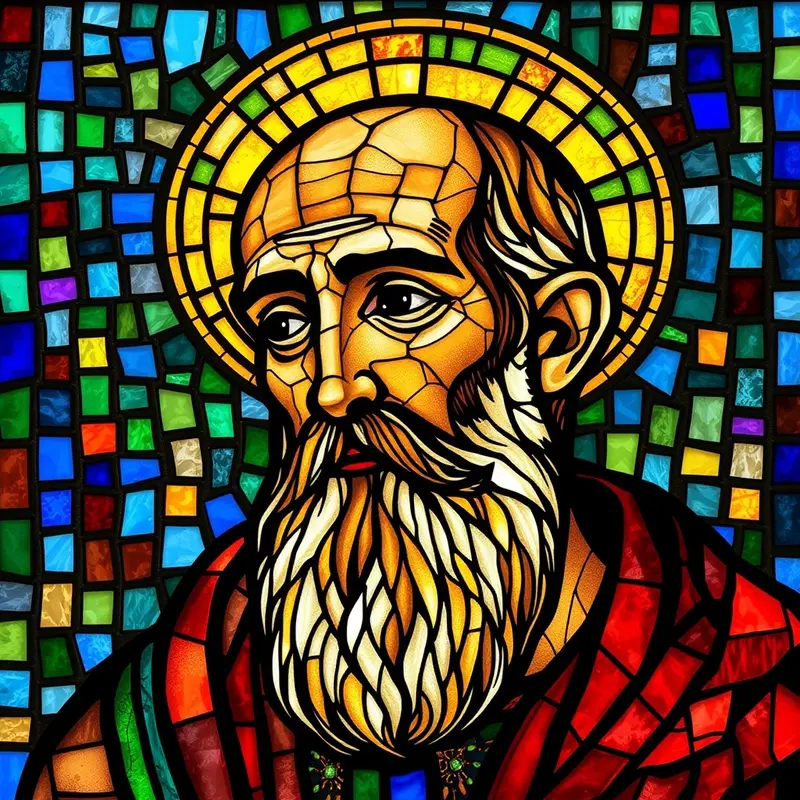
Biography
Obadiah served as the palace administrator under King Ahab of Israel, one of the most powerful bureaucratic positions in the northern kingdom. Despite serving in the court of a king who had married the Phoenician princess Jezebel and promoted Baal worship throughout Israel, Obadiah maintained a deep and sincere reverence for the Lord from his youth (1 Kings 18:3-16). When Jezebel launched a systematic campaign to exterminate the prophets of Yahweh, Obadiah risked his life and career by hiding one hundred prophets in two caves, sustaining them with bread and water. His encounter with Elijah during the great drought reveals a man torn between genuine faith and the practical dangers of his position, ultimately obeying the prophet's command to announce Elijah's presence to Ahab despite fearing for his life.
Significance
Obadiah stands as one of Scripture's most compelling examples of faithful witness within hostile environments. His preservation of one hundred prophets during Jezebel's persecution ensured the survival of prophetic voices in Israel at a critical juncture, demonstrating that God's purposes are often advanced through courageous individuals operating within corrupt systems. Obadiah's story challenges the assumption that serving God requires withdrawal from secular power structures; instead, he used his position of influence to protect God's servants. His life illustrates the biblical tension between prudent self-preservation and bold obedience, ultimately resolving in favor of trust in God. He prefigures those who, throughout history, have served as hidden protectors of the faithful during times of persecution.
Verse Appearances (6)
References
- Orr, J. (ed.) (1915) The International Standard Bible Encyclopedia. Chicago: Howard-Severance Company. [Public Domain]
- Tyndale House, Cambridge (n.d.) Translators Individualised Proper Names with all References (TIPNR). STEPBible. Available at: https://www.stepbible.org. [CC BY 4.0]
- Wikidata contributors (n.d.) Wikidata. Available at: https://www.wikidata.org. [CC0]
- Church of England (1769) The Holy Bible, Authorized (King James) Version. [Public Domain]