
Eliehoenai
Eliehoenai, a descendant of Pahath-Moab, was among those who returned to Jerusalem with Ezra.
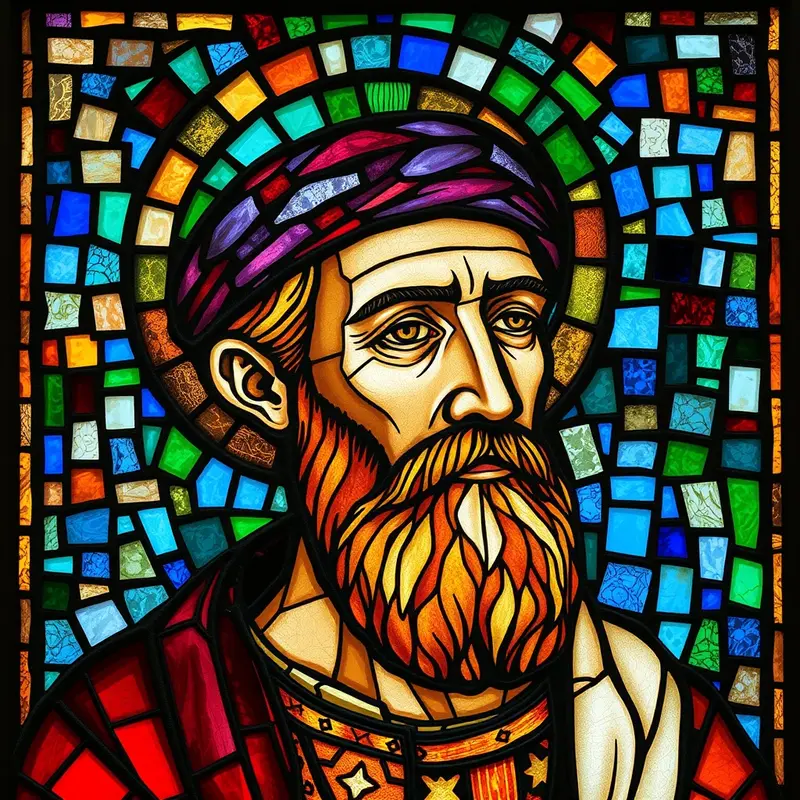
Biography
Eliehoenai, whose name means "my eyes are toward the LORD," appears in Ezra 8:4 as the son of Zerahiah and a leader within the clan of Pahath-Moab. He led a contingent of two hundred males who made the arduous journey from Babylon back to Jerusalem under Ezra's leadership, likely around 458 BC. The return journey was a deliberate act of covenantal faithfulness, undertaken without military escort as Ezra trusted in God's protection (Ezra 8:22). Eliehoenai's willingness to uproot from the relative comfort of the diaspora community and participate in the restoration of Jerusalem reflects deep commitment to the welfare of God's people. He stands among the family heads whose faithful response helped repopulate the holy city and rebuild the religious infrastructure of Israel.
Significance
Eliehoenai represents the faithful remnant theology running throughout Ezra-Nehemiah. His participation in the return from exile illustrates how God preserves a community through individuals willing to act on covenant loyalty. Though Scripture records no dramatic deeds from him, his presence among the returning exiles underscores that restoration is accomplished through the collective faithfulness of ordinary leaders. His name, expressing dependence on the LORD, models the posture God requires: eyes fixed on Him rather than on earthly security. He reminds readers that participation in God's redemptive purposes often takes the form of quiet, costly obedience rather than heroic individual action.
Verse Appearances (1)
Ezra
References
- Orr, J. (ed.) (1915) The International Standard Bible Encyclopedia. Chicago: Howard-Severance Company. [Public Domain]
- Tyndale House, Cambridge (n.d.) Translators Individualised Proper Names with all References (TIPNR). STEPBible. Available at: https://www.stepbible.org. [CC BY 4.0]
- Wikidata contributors (n.d.) Wikidata. Available at: https://www.wikidata.org. [CC0]
- Church of England (1769) The Holy Bible, Authorized (King James) Version. [Public Domain]