
Eliphaz
Eliphaz the Temanite was one of Job's three friends who came to comfort him during his affliction (Job.2.11).
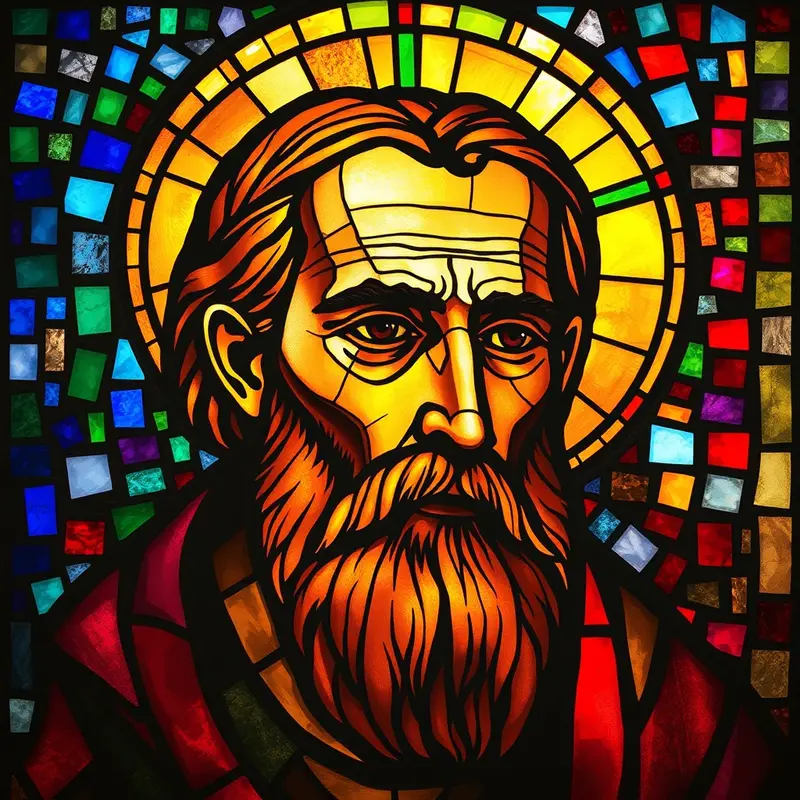
Biography
Eliphaz the Temanite was the foremost of three friends who traveled to console Job in the depths of his suffering (Job 2:11). A man of apparent wisdom and standing, Eliphaz spoke first among the companions, delivering three speeches over the course of the poetic dialogues (Job 4–5; 15; 22). His approach began with some gentleness, appealing to divine visions and the general principle that the innocent do not perish (Job 4:7). However, as the dialogues progressed, Eliphaz grew increasingly accusatory, ultimately charging Job with specific social sins such as withholding bread from the hungry and stripping the naked of their clothing (Job 22:6–9). At the book's conclusion, God rebuked Eliphaz and his companions for not speaking rightly about Him, commanding them to offer burnt offerings and have Job pray on their behalf (Job 42:7–9).
Significance
Eliphaz represents a recurring theological error: the rigid application of retributive theology, equating suffering with personal sin. His speeches, though eloquent, misrepresent God's character by assuming Job's affliction was necessarily a consequence of hidden iniquity. The divine verdict in Job 42:7, that Eliphaz had not spoken what was right, serves as a canonical warning against simplistic explanations of suffering. His character teaches that human wisdom, even when religiously motivated, can become a stumbling block to genuine pastoral care. The requirement for Job's intercession on Eliphaz's behalf also foreshadows the intercessory role of the righteous before God.
Verse Appearances (6)
References
- Orr, J. (ed.) (1915) The International Standard Bible Encyclopedia. Chicago: Howard-Severance Company. [Public Domain]
- Tyndale House, Cambridge (n.d.) Translators Individualised Proper Names with all References (TIPNR). STEPBible. Available at: https://www.stepbible.org. [CC BY 4.0]
- Wikidata contributors (n.d.) Wikidata. Available at: https://www.wikidata.org. [CC0]
- Church of England (1769) The Holy Bible, Authorized (King James) Version. [Public Domain]