
Zophar
Zophar the Naamathite was one of Job's three friends who came to comfort him during his affliction (Job.2.11; 11.1; 20.1; 42.9).
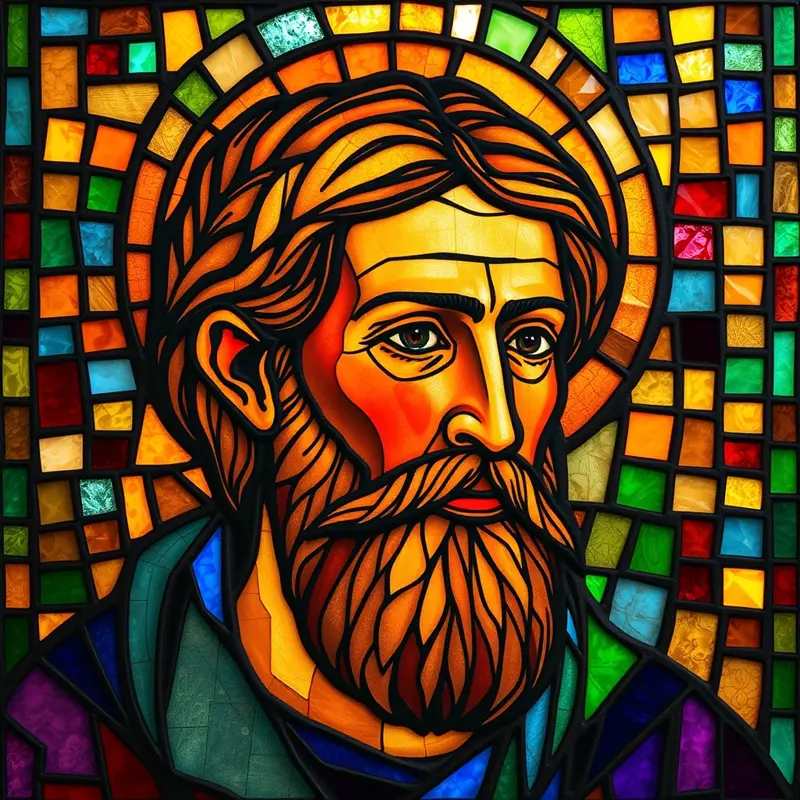
Biography
Zophar the Naamathite was one of Job's three closest companions, who journeyed together with Eliphaz the Temanite and Bildad the Shuhite to offer consolation when they heard of Job's devastating losses (Job 2:11). He is identified as coming from Naamah, a location of uncertain identification, possibly in northern Arabia or Edom. Zophar delivers two major speeches in the dialogues of Job (chapters 11 and 20), presenting himself as the most forceful and blunt of the three friends. He sharply rebukes Job for claiming innocence, insisting that God was actually punishing Job far less than his sins deserved (Job 11:6). After Job's vindication by God, Zophar and the others were commanded to offer sacrifice and seek Job's intercession (Job 42:9).
Significance
Zophar represents the voice of rigid, moralistic theology that refuses to accommodate the complexity of human suffering. His confident pronouncements that Job's afflictions must stem from hidden wickedness exemplify the dangers of applying theological formulas to individual lives without the humility to acknowledge mystery. God's rebuke of Zophar and his companions, declaring they had not spoken of Him what was right (Job 42:7), stands as one of Scripture's most direct warnings against presumptuous religious counsel. Zophar's failure is ultimately a lesson in the limits of human wisdom: when theology becomes a system for judging others rather than a vehicle for encountering God, it distorts both truth and compassion.
Verse Appearances (4)
References
- Orr, J. (ed.) (1915) The International Standard Bible Encyclopedia. Chicago: Howard-Severance Company. [Public Domain]
- Tyndale House, Cambridge (n.d.) Translators Individualised Proper Names with all References (TIPNR). STEPBible. Available at: https://www.stepbible.org. [CC BY 4.0]
- Wikidata contributors (n.d.) Wikidata. Available at: https://www.wikidata.org. [CC0]
- Church of England (1769) The Holy Bible, Authorized (King James) Version. [Public Domain]