
Elkanah
Elkanah was the father of the prophet Samuel and husband of Hannah (1Sa.1.1,4,8,19,21,23; 2.11,20; 1Ch.6.27,34).
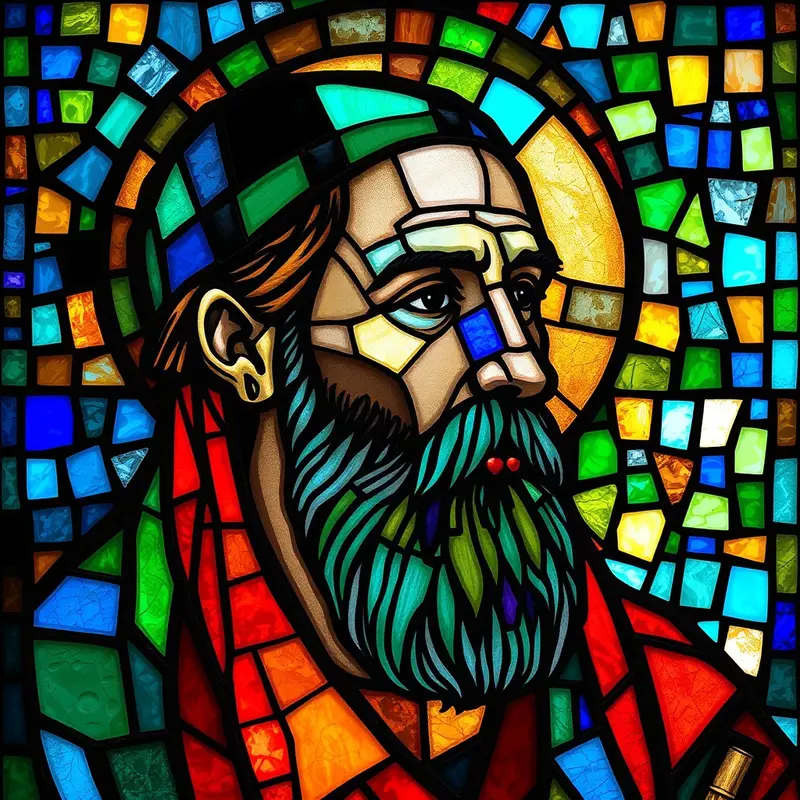
Biography
Elkanah of Ramathaim-zophim was a devout Ephraimite of Levitical descent (1 Chr. 6:27, 34) who annually journeyed with his household to Shiloh to worship and sacrifice before the LORD of hosts. He had two wives, Hannah and Peninnah. While Peninnah bore children, Hannah remained barren, a source of ongoing anguish compounded by Peninnah's provocation. Elkanah showed particular tenderness toward Hannah, giving her a double portion and asking, 'Am I not more to you than ten sons?' (1 Sam. 1:8). After Hannah's earnest prayer at Shiloh and Samuel's birth, Elkanah honored her vow by bringing the child to Eli to serve in the tabernacle (1 Sam. 1:21-28). He and Hannah returned to Shiloh annually, receiving from Eli the blessing that God would give them additional children (1 Sam. 2:20).
Significance
Elkanah stands as a model of faithful covenant devotion in a morally turbulent era. His consistent pilgrimage to Shiloh during the spiritually corrupt days of Eli's sons demonstrates that personal piety can persist despite institutional failure. His tender treatment of Hannah reflects a vision of marriage that transcends utility, honoring his wife in her suffering rather than dismissing her pain. Most significantly, Elkanah's willingness to support Hannah's vow and release Samuel to God's service made possible one of the most pivotal ministries in Old Testament history. Through his household's faithfulness, God raised up the prophet who would anoint both Saul and David, reshaping the entire trajectory of Israel's covenant history.
Verse Appearances (10)
References
- Orr, J. (ed.) (1915) The International Standard Bible Encyclopedia. Chicago: Howard-Severance Company. [Public Domain]
- Tyndale House, Cambridge (n.d.) Translators Individualised Proper Names with all References (TIPNR). STEPBible. Available at: https://www.stepbible.org. [CC BY 4.0]
- Wikidata contributors (n.d.) Wikidata. Available at: https://www.wikidata.org. [CC0]
- Church of England (1769) The Holy Bible, Authorized (King James) Version. [Public Domain]