
Samuel
Samuel was a prophet and the last judge of Israel before the establishment of the monarchy, who anointed both Saul and David as kings.
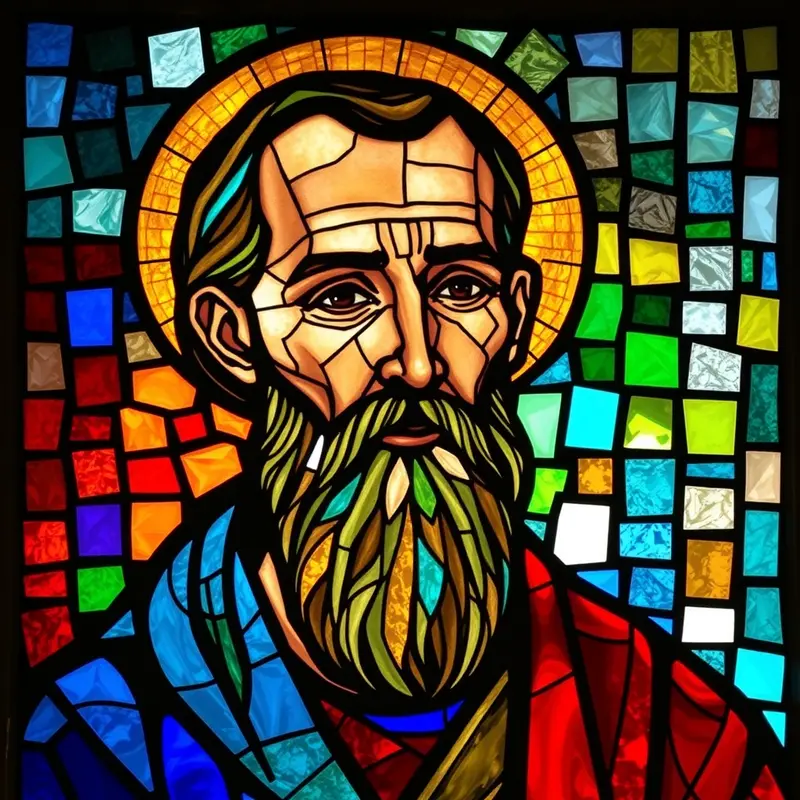
Biography
Samuel was born in answer to his mother Hannah's fervent prayer and was dedicated to the LORD's service at the tabernacle in Shiloh from early childhood (1 Samuel 1–2). Raised under the aging priest Eli, he received a divine call while still a boy, inaugurating one of the most pivotal prophetic careers in Israel's history. As the last of the judges, Samuel administered justice throughout the land and called Israel to covenant faithfulness. When the people demanded a king, Samuel both warned them of kingship's dangers and, under God's direction, anointed Saul as Israel's first monarch. After Saul's rejection, Samuel privately anointed David, son of Jesse, as God's chosen king (1 Samuel 16). He died honored throughout Israel (1 Samuel 25:1) and was invoked even after death (1 Samuel 28).
Significance
Samuel occupies a unique constitutional position in Israel's history as prophet, priest, and judge simultaneously, a threefold office that anticipated the messianic ideal. His establishment of prophetic schools and his faithfulness in declaring God's word even when it brought personal grief (as with Saul) set the standard for prophetic ministry in Israel. His anointing of David was the decisive act linking the Davidic covenant to Israel's future hope and ultimately to Jesus Christ. The New Testament places Samuel at the head of the prophetic succession (Acts 3:24; 13:20; Hebrews 11:32), recognizing him as the figure who formalized prophetic ministry as a structured institution in Israel's life.
Verse Appearances (121)
1Sam
2Chr
Ps
Jeremiah
Hebrews
References
- Orr, J. (ed.) (1915) The International Standard Bible Encyclopedia. Chicago: Howard-Severance Company. [Public Domain]
- Tyndale House, Cambridge (n.d.) Translators Individualised Proper Names with all References (TIPNR). STEPBible. Available at: https://www.stepbible.org. [CC BY 4.0]
- Wikidata contributors (n.d.) Wikidata. Available at: https://www.wikidata.org. [CC0]
- Church of England (1769) The Holy Bible, Authorized (King James) Version. [Public Domain]
- P. Kyle McCarter Jr. (1980) I Samuel. Anchor Bible, vol. 8. doi:10.5040/9780300261196.Landmark critical commentary applying text-critical, form-critical, and tradition-historical methods to Samuel.
- Hans Wilhelm Hertzberg (1964) I & II Samuel: A Commentary. Old Testament Library.Classic critical commentary treating Samuel's role in the transition from tribal league to monarchy.
- Robert Polzin (1989) Samuel and the Deuteronomist: A Literary Study of the Deuteronomic History.Narrative-critical reading of 1 Samuel as part of the Deuteronomistic History's ideological project.
- Lyle Eslinger (1985) Kingship of God in Crisis: A Close Reading of 1 Samuel 1-12. doi:10.2307/1518488.Close literary reading of the Samuel birth narrative through the establishment of the monarchy.