
Joel
Joel, the firstborn son of Samuel, served as a judge in Israel but did not walk in his father's ways (1Sa.8.2).
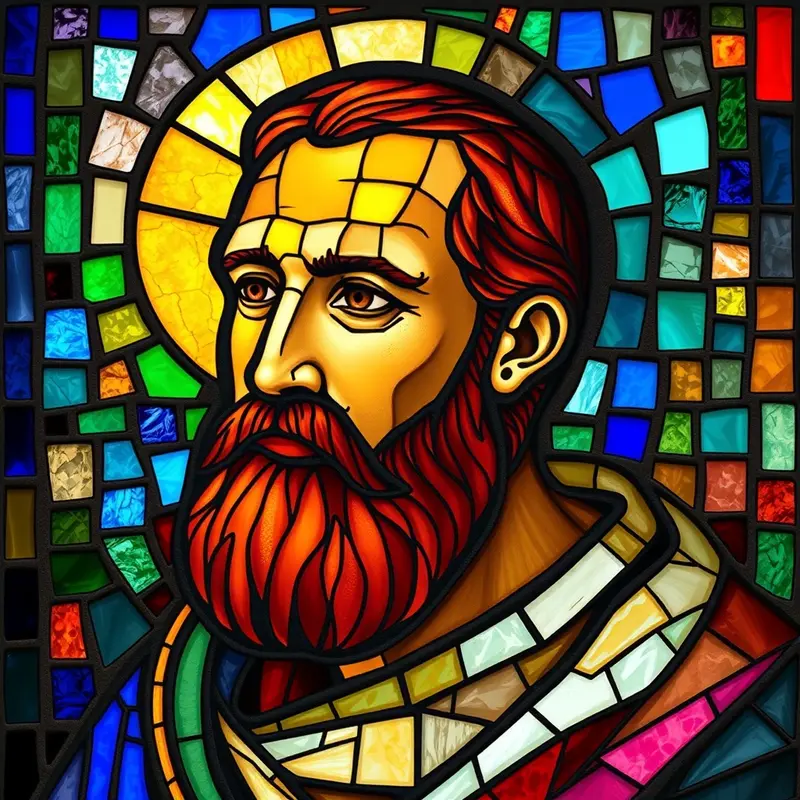
Biography
Joel, the firstborn son of the prophet and judge Samuel, served alongside his brother Abijah as a judge at Beersheba in the Negev (1 Samuel 8:2; 1 Chronicles 6:33). Samuel had appointed his sons to serve in his own judicial role as he aged, but Joel and Abijah proved deeply corrupt, accepting bribes and perverting justice (1 Samuel 8:3). Their moral failure precipitated one of the most consequential moments in Israel's history: the elders of Israel appealed to Samuel to appoint a king 'like all the nations' precisely because his sons did not walk in his ways. The irony of Samuel's failure as a father, despite his extraordinary faithfulness as prophet and judge, is a poignant element of the narrative. The same people-pleasing and financial corruption he himself had avoided entirely marked his sons' tenure.
Significance
Joel's judicial corruption carries enormous theological weight in the Old Testament narrative, serving as the immediate catalyst for Israel's demand for a monarchy (1 Samuel 8:4–5). His failure illustrates that covenant faithfulness is not automatically transmitted through family lineage, however distinguished. Samuel's inability to produce godly sons parallels Eli's failure before him, suggesting a pattern in which God's purposes move forward not through dynastic inheritance but through direct divine calling. Joel's story also raises enduring questions about leadership succession and the formation of the next generation in covenant faithfulness, questions the biblical narrative addresses repeatedly, ultimately pointing toward the need for a transformed heart that only the Spirit can provide.
Verse Appearances (4)
References
- Orr, J. (ed.) (1915) The International Standard Bible Encyclopedia. Chicago: Howard-Severance Company. [Public Domain]
- Tyndale House, Cambridge (n.d.) Translators Individualised Proper Names with all References (TIPNR). STEPBible. Available at: https://www.stepbible.org. [CC BY 4.0]
- Wikidata contributors (n.d.) Wikidata. Available at: https://www.wikidata.org. [CC0]
- Church of England (1769) The Holy Bible, Authorized (King James) Version. [Public Domain]