
Eli
Eli was the high priest and judge of Israel who ministered at the tabernacle in Shiloh.
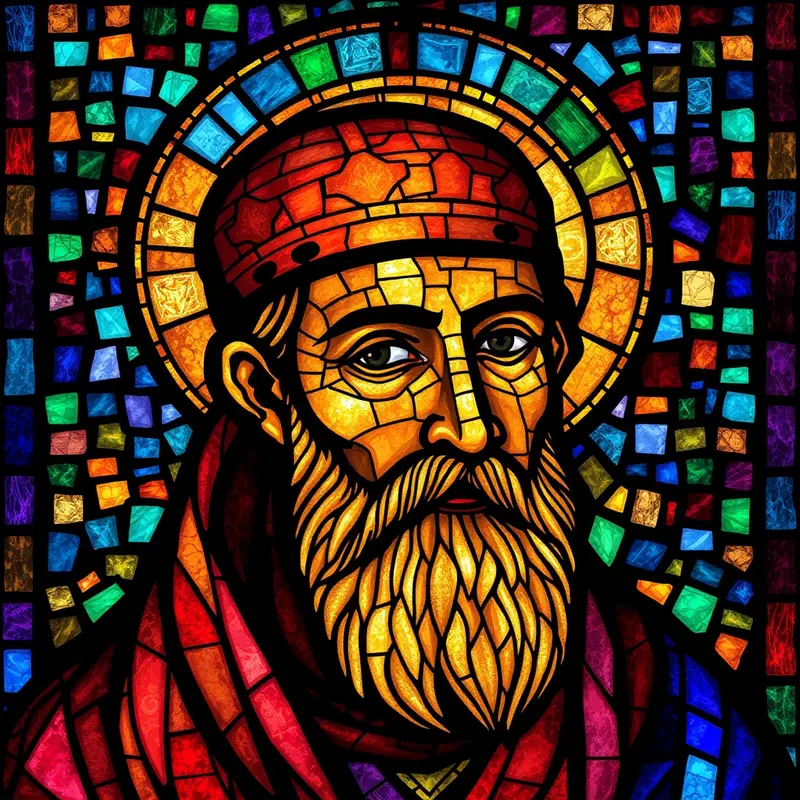
Biography
Eli served as both high priest and judge of Israel during one of the most spiritually turbulent periods in the nation's history, ministering at the tabernacle in Shiloh for forty years (1 Samuel 4:18). A descendant of Aaron through Ithamar, he presided over Israel's worship during the chaotic era of the Judges. Eli's personal piety was genuine, he recognized the voice of God at work in young Samuel (1 Samuel 3:8–9), but his legacy was fatally compromised by his failure to restrain his sons, Hophni and Phinehas, who profaned the priesthood through sexual immorality and the theft of sacrificial portions (1 Samuel 2:12–17). When the Ark was captured by the Philistines and his sons were killed in battle, Eli died upon hearing the news, falling from his seat and breaking his neck (1 Samuel 4:18).
Significance
Eli's life stands as a sobering study in the consequences of passive leadership. A man who could hear and honor the word of God (1 Samuel 3) proved unable, or unwilling, to enforce divine standards within his own household, a failure explicitly named in God's judgment (1 Samuel 3:13). His tragedy illustrates that spiritual gifts and personal godliness do not exempt leaders from accountability for what they fail to address. The transfer of the high priestly line from Eli's family to Zadok's ultimately fulfilled the prophetic word against Eli's house (1 Samuel 2:27–36). Yet Eli also serves as the nurturing mentor who raised Samuel, the prophet who would anoint Israel's kings, making him an instrument of grace even in his failure, shaping the one who would shape a nation.
Verse Appearances (30)
References
- Orr, J. (ed.) (1915) The International Standard Bible Encyclopedia. Chicago: Howard-Severance Company. [Public Domain]
- Tyndale House, Cambridge (n.d.) Translators Individualised Proper Names with all References (TIPNR). STEPBible. Available at: https://www.stepbible.org. [CC BY 4.0]
- Wikidata contributors (n.d.) Wikidata. Available at: https://www.wikidata.org. [CC0]
- Church of England (1769) The Holy Bible, Authorized (King James) Version. [Public Domain]