
Ezekiel
Ezekiel was a prophet during the Babylonian exile who authored the Book of Ezekiel and served as a sign to the people of Israel.
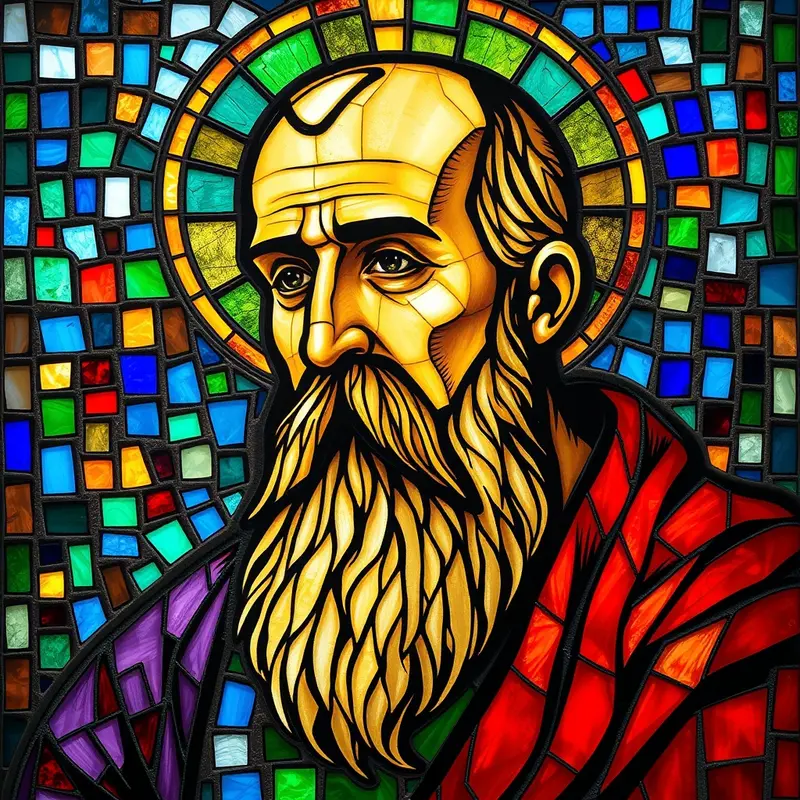
Biography
Ezekiel son of Buzi was a priest of Israel who was among the first wave of Judean exiles deported to Babylon by Nebuchadnezzar in 597 BC. Settled by the Chebar canal in the community of Tel-abib, he received his prophetic call in the fifth year of King Jehoiachin's exile (Ezekiel 1:1–3), beginning a ministry that would span at least twenty-two years. His call vision, a thunderstorm, four living creatures, wheels within wheels, and the radiant glory of the LORD on a throne-chariot, was one of the most overwhelming prophetic experiences in Scripture. Ezekiel delivered dramatic oracles of judgment against Jerusalem and the surrounding nations, performed elaborate symbolic acts as signs to Israel, and ultimately received magnificent visions of national restoration: the valley of dry bones (Ezekiel 37), the return of God's glory, and a future temple of breathtaking proportions.
Significance
Ezekiel's prophetic ministry addresses one of Israel's deepest theological crises: if God dwells in the Jerusalem temple, how can His people be in exile? His opening vision, God's glory on a mobile throne-chariot, answers this crisis by revealing that the LORD's presence is not geographically confined. His message of individual accountability (Ezekiel 18) challenged the fatalism of collective guilt. His vision of the valley of dry bones (Ezekiel 37) became Scripture's most dramatic image of national resurrection, pointing toward both Israel's restoration and, in Christian interpretation, the resurrection of the dead. The vision of the new temple (Ezekiel 40–48) anticipates the renewed creation of Revelation. Ezekiel's theology of divine holiness, human responsibility, and ultimate restoration remains foundational to both Jewish and Christian eschatological hope.
Verse Appearances (2)
References
- Orr, J. (ed.) (1915) The International Standard Bible Encyclopedia. Chicago: Howard-Severance Company. [Public Domain]
- Tyndale House, Cambridge (n.d.) Translators Individualised Proper Names with all References (TIPNR). STEPBible. Available at: https://www.stepbible.org. [CC BY 4.0]
- Wikidata contributors (n.d.) Wikidata. Available at: https://www.wikidata.org. [CC0]
- Church of England (1769) The Holy Bible, Authorized (King James) Version. [Public Domain]