
Hodiah
Hodiah was one of the priests who signed the covenant led by Nehemiah to follow the Law of God.
Biography
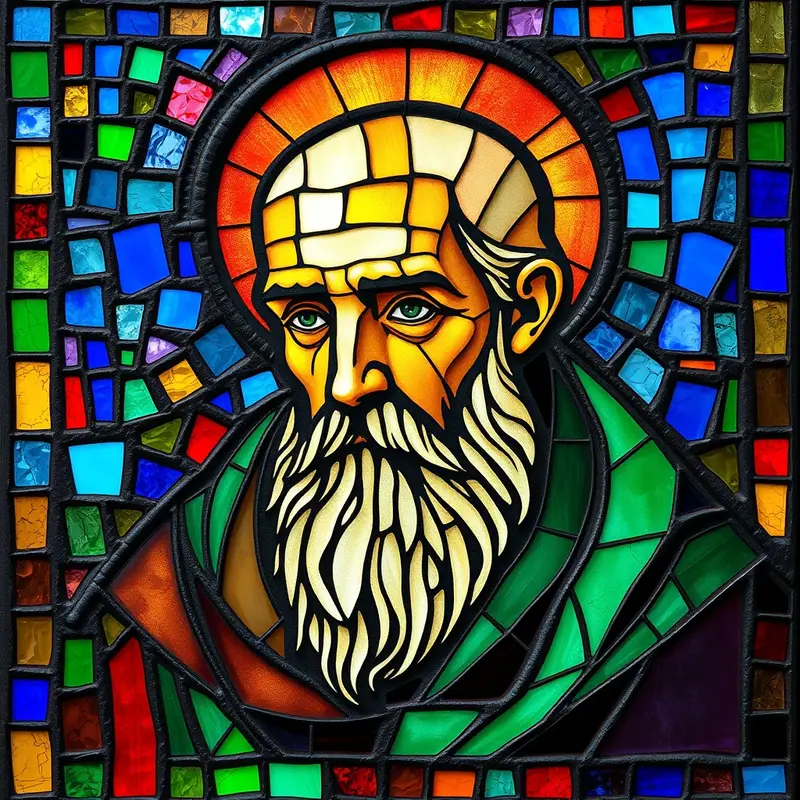
Hodiah was a priest in the post-exilic community of Jerusalem who appended his seal to the covenant renewal spearheaded by Nehemiah, as recorded in Nehemiah 10:18. In this solemn covenant, the priests, Levites, and leaders of the people collectively committed themselves to uphold the requirements of the Mosaic Law, a formal act of national recommitment following generations of unfaithfulness and the devastating experience of Babylonian exile. As a member of the priestly order, Hodiah bore particular responsibility for Israel's religious life: the maintenance of temple worship, the teaching of Torah, and the preservation of cultic purity. His signature on the covenant document represents his public pledge to fulfill these sacred obligations faithfully within the restored community.
Significance
The priestly signatories of Nehemiah 10, including Hodiah, represent the reconstituted religious leadership of post-exilic Israel. The exile had dismantled the temple, scattered the priesthood, and silenced the sacrificial system. That priests could gather once more in Jerusalem to solemnly reaffirm their covenant obligations was itself a fulfillment of prophetic promises of restoration. Hodiah's role as a priestly signatory carries the full weight of that history. Priests in the Old Testament served as mediators between God and the people, their faithfulness or faithlessness directly shaped the spiritual health of the entire community. His public commitment to the covenant reflects the priestly integrity envisioned in Malachi 2:7: a priest whose lips guard knowledge and from whom Torah instruction is rightly sought.
Verse Appearances (1)
Nehemiah
References
- Orr, J. (ed.) (1915) The International Standard Bible Encyclopedia. Chicago: Howard-Severance Company. [Public Domain]
- Tyndale House, Cambridge (n.d.) Translators Individualised Proper Names with all References (TIPNR). STEPBible. Available at: https://www.stepbible.org. [CC BY 4.0]
- Wikidata contributors (n.d.) Wikidata. Available at: https://www.wikidata.org. [CC0]
- Church of England (1769) The Holy Bible, Authorized (King James) Version. [Public Domain]