
Hodiah
Hodiah (also known as Judah) was a Levite who assisted in teaching the Law and leading worship during the time of Ezra and Nehemiah.
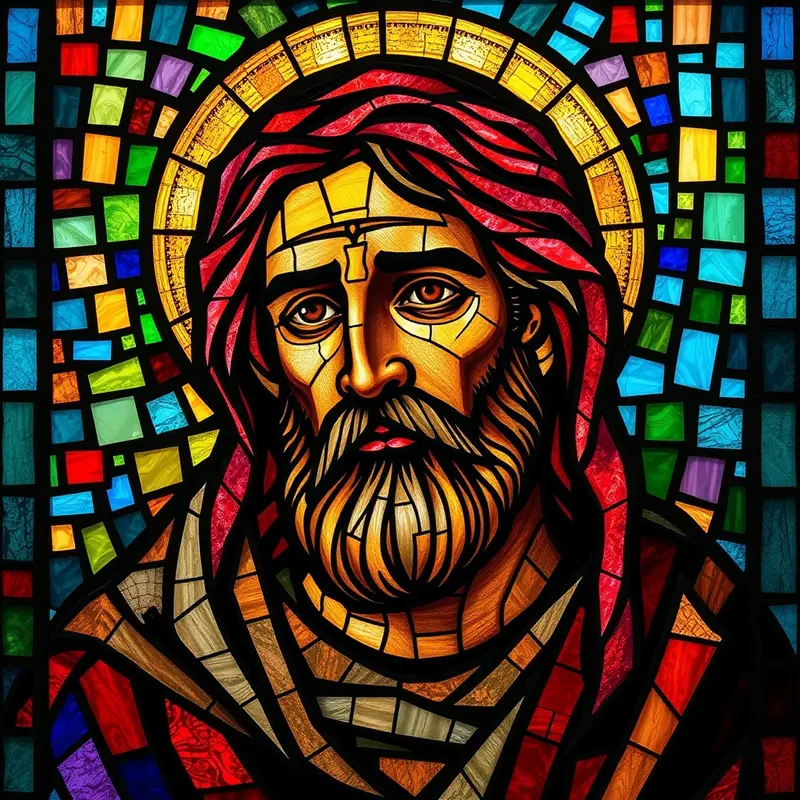
Biography
Hodiah, also identified by some scholars with the Levite named Judah mentioned in Ezra 3:9, was a Levite active during the religious reforms of Ezra and Nehemiah in the post-exilic period. He appears in Nehemiah 8:7 as one of the Levites who stood beside Ezra during the public reading of the Law, helping the assembled people understand what was being read. He also participated in leading the community in worship and the extended public prayer of Nehemiah 9:5, and is listed among the Levites who signed the covenant renewal in Nehemiah 10:10. His name means "splendor of Yahweh", a fitting designation for one whose ministry involved directing the people's attention to the majesty and character of God through instruction and corporate worship.
Significance
Hodiah's ministry encapsulates the essential Levitical calling as it functioned in the restored community: teaching, interpreting Scripture, and leading worship. The scene in Nehemiah 8, where Levites including Hodiah explained the Law to an assembled and attentive people, is among the most moving in all of Scripture, depicting a community rediscovering its covenant identity through the public reading of God's Word. His subsequent role in leading the extended prayer of Nehemiah 9, which rehearses Israel's entire history of divine faithfulness and human failure, demonstrates a Levite who grasped both the privilege and the gravity of standing between God and the people. Hodiah's ministry remains a model for those called to teach and lead worship in any era.
Verse Appearances (4)
References
- Orr, J. (ed.) (1915) The International Standard Bible Encyclopedia. Chicago: Howard-Severance Company. [Public Domain]
- Tyndale House, Cambridge (n.d.) Translators Individualised Proper Names with all References (TIPNR). STEPBible. Available at: https://www.stepbible.org. [CC BY 4.0]
- Wikidata contributors (n.d.) Wikidata. Available at: https://www.wikidata.org. [CC0]
- Church of England (1769) The Holy Bible, Authorized (King James) Version. [Public Domain]