
Huldah
Huldah was a prophetess who was consulted by King Josiah's officials regarding the authenticity of the Book of the Law discovered during temple repairs.
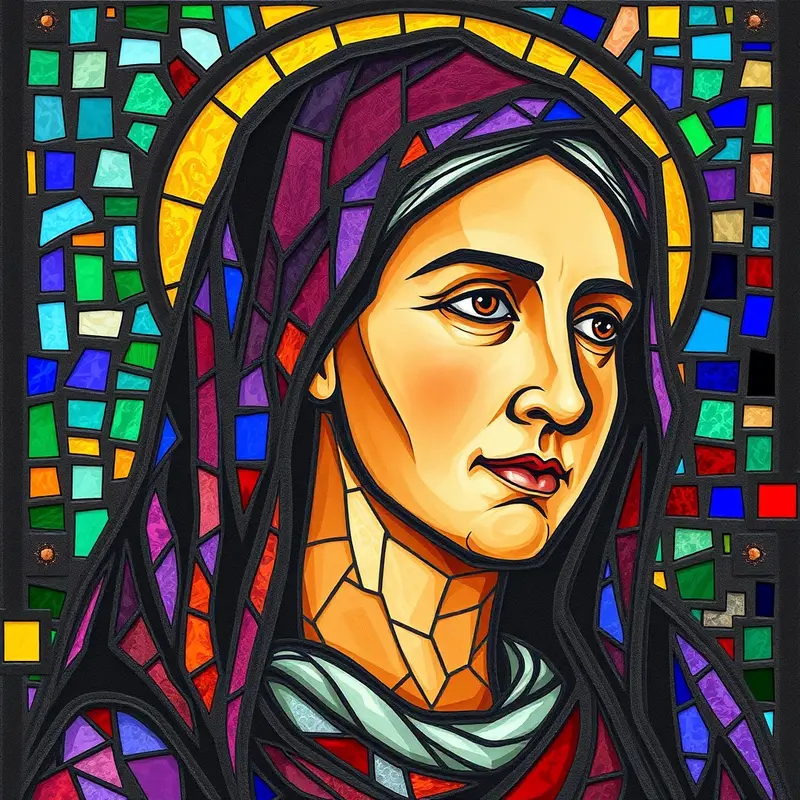
Biography
Huldah was a prophetess living in Jerusalem during the reign of King Josiah (640-609 BC), identified as the wife of Shallum, keeper of the royal wardrobe, and residing in the Second Quarter of the city (2 Kings 22:14; 2 Chronicles 34:22). When the Book of the Law was discovered during temple renovations, Josiah's senior officials, including Hilkiah the high priest and Shaphan the scribe, brought it to Huldah rather than to any male contemporary, including the prophet Jeremiah. Her authoritative oracle confirmed the authenticity of the text, pronounced God's judgment on Judah for generations of apostasy, and promised Josiah that he would be gathered to his grave in peace because his heart had been tender and he had humbled himself before the Lord.
Significance
Huldah's role in authenticating the Book of the Law makes her one of the most consequential prophetic figures in Israel's history. Her oracle effectively launched Josiah's sweeping reformation, the most thorough religious purge since the time of Hezekiah, and her testimony carried the authority that compelled royal action. As a woman exercising the highest level of prophetic authority in a patriarchal society, Huldah's prominence challenges any assumption that prophetic gifts were restricted by gender in ancient Israel. She stands alongside Deborah and Miriam as evidence that God calls and equips women as spokespersons of his word. Her recognition of the scroll's divine origin also carries canonical significance, placing her at the beginning of what scholars understand as Israel's formal engagement with its written scriptures.
Verse Appearances (2)
2Kgs
2Chr
References
- Orr, J. (ed.) (1915) The International Standard Bible Encyclopedia. Chicago: Howard-Severance Company. [Public Domain]
- Tyndale House, Cambridge (n.d.) Translators Individualised Proper Names with all References (TIPNR). STEPBible. Available at: https://www.stepbible.org. [CC BY 4.0]
- Wikidata contributors (n.d.) Wikidata. Available at: https://www.wikidata.org. [CC0]
- Church of England (1769) The Holy Bible, Authorized (King James) Version. [Public Domain]