
Jeduthun
Jeduthun, also known as Ethan, was a Levitical musician and singer during the reign of King David.
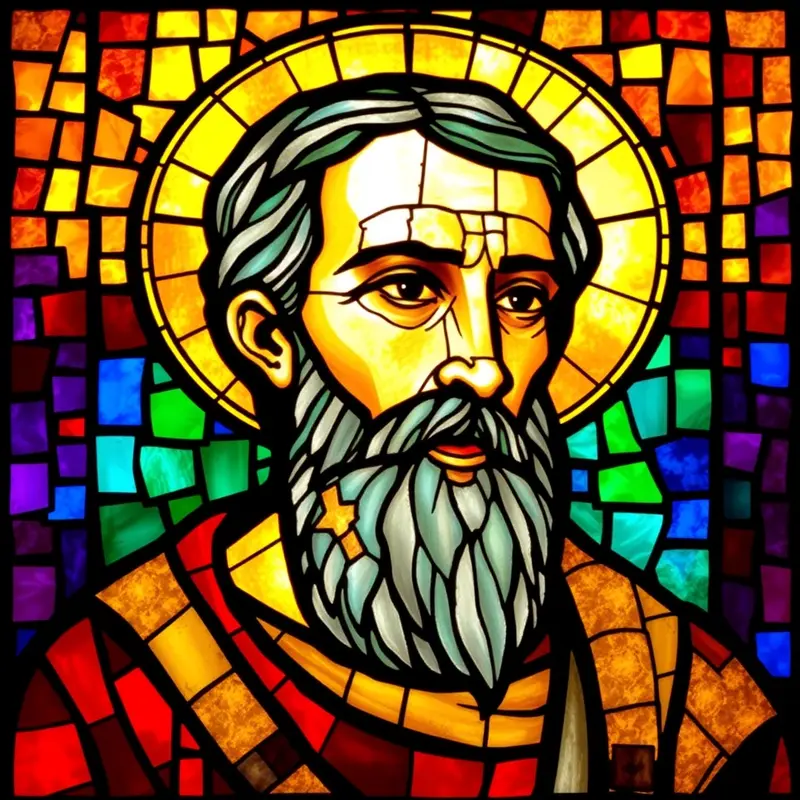
Biography
Jeduthun, also known as Ethan, was one of the three chief Levitical musicians appointed by King David to lead Israel's sacred music, alongside Asaph and Heman (1 Chronicles 25:1-6). A Merarite Levite, Jeduthun and his six sons, Gedaliah, Zeri, Jeshaiah, Shimei, Hashabiah, and Mattithiah, were set apart for prophetic musical ministry before the Ark. David entrusted these musicians with a liturgical role that blended artistry and prophecy, understanding that music in Israel's worship was not mere entertainment but a vehicle for divine communication. Jeduthun's name appears in the superscriptions of Psalms 39, 62, and 77, indicating his ongoing influence on Israel's hymnody. His descendants continued to serve in Temple worship through subsequent generations.
Significance
Jeduthun's ministry illustrates the biblical conviction that skilled artistic expression belongs at the heart of communal worship. His appointment alongside Asaph and Heman established a tripartite structure for Levitical music that shaped Temple worship for centuries (1 Chronicles 25). The appearance of his name in Psalm superscriptions suggests his musical traditions carried lasting authority. Theologically, his story affirms that worship is a serious, Spirit-directed discipline requiring both gifted individuals and institutional structures. Jeduthun models how God equips human artistry for sacred purposes, anticipating the New Testament vision of worshippers who come before God in spirit and in truth (John 4:24).
Verse Appearances (15)
References
- Orr, J. (ed.) (1915) The International Standard Bible Encyclopedia. Chicago: Howard-Severance Company. [Public Domain]
- Tyndale House, Cambridge (n.d.) Translators Individualised Proper Names with all References (TIPNR). STEPBible. Available at: https://www.stepbible.org. [CC BY 4.0]
- Wikidata contributors (n.d.) Wikidata. Available at: https://www.wikidata.org. [CC0]
- Church of England (1769) The Holy Bible, Authorized (King James) Version. [Public Domain]