
Maacah
Maacah, also known as Micaiah, the daughter of Abishalom (Absalom), was the wife of Rehoboam and mother of Abijah, king of Judah (1Ki.15.2,10,13; 2Ch.11.20-22; 13.2; 15.16).
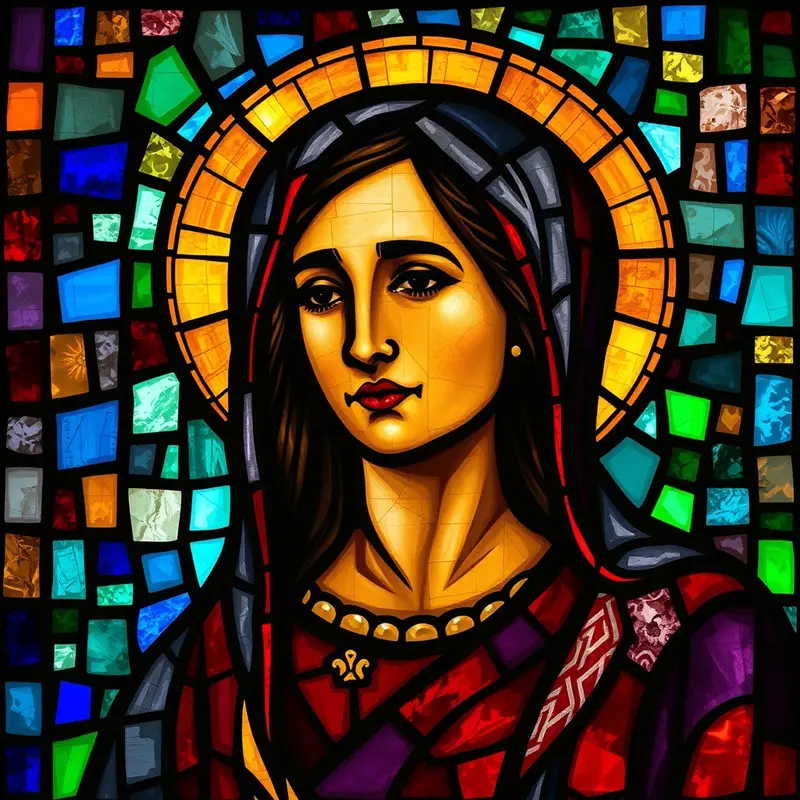
Biography
Maacah, also identified as Micaiah daughter of Uriel of Gibeah (2 Chronicles 13:2), occupied one of the most influential positions in the Judean monarchy as the favorite wife of King Rehoboam and mother of his successor Abijah. According to 2 Chronicles 11:20-22, Rehoboam loved her above all his other wives and concubines, elevating her son Abijah as chief prince and heir apparent. Her influence extended well beyond Rehoboam's reign; she retained the title of queen mother (gebirah) into her grandson Asa's rule. However, her devotion to idolatry ultimately led to her downfall. King Asa removed her from the position of queen mother because she had made a repulsive Asherah pole, which he cut down and burned in the Kidron Valley (1 Kings 15:13; 2 Chronicles 15:16).
Significance
Maacah's story illustrates the profound tension between political power and religious faithfulness in the Davidic dynasty. As queen mother, she held considerable sway over national worship practices, yet her promotion of Asherah worship demonstrates how idolatry could infiltrate even the royal household of God's chosen line. King Asa's courageous decision to depose his own grandmother for her apostasy stands as a powerful example of prioritizing covenant loyalty over family ties. Her narrative warns that proximity to God's promises does not guarantee personal faithfulness, and it highlights the recurring biblical theme that true reform sometimes demands painful separations from those closest to us.
Verse Appearances (2)
References
- Orr, J. (ed.) (1915) The International Standard Bible Encyclopedia. Chicago: Howard-Severance Company. [Public Domain]
- Tyndale House, Cambridge (n.d.) Translators Individualised Proper Names with all References (TIPNR). STEPBible. Available at: https://www.stepbible.org. [CC BY 4.0]
- Wikidata contributors (n.d.) Wikidata. Available at: https://www.wikidata.org. [CC0]
- Church of England (1769) The Holy Bible, Authorized (King James) Version. [Public Domain]