
Mattaniah
Mattaniah, a Levite, was appointed as a treasurer during Nehemiah's time (Neh.13.13).
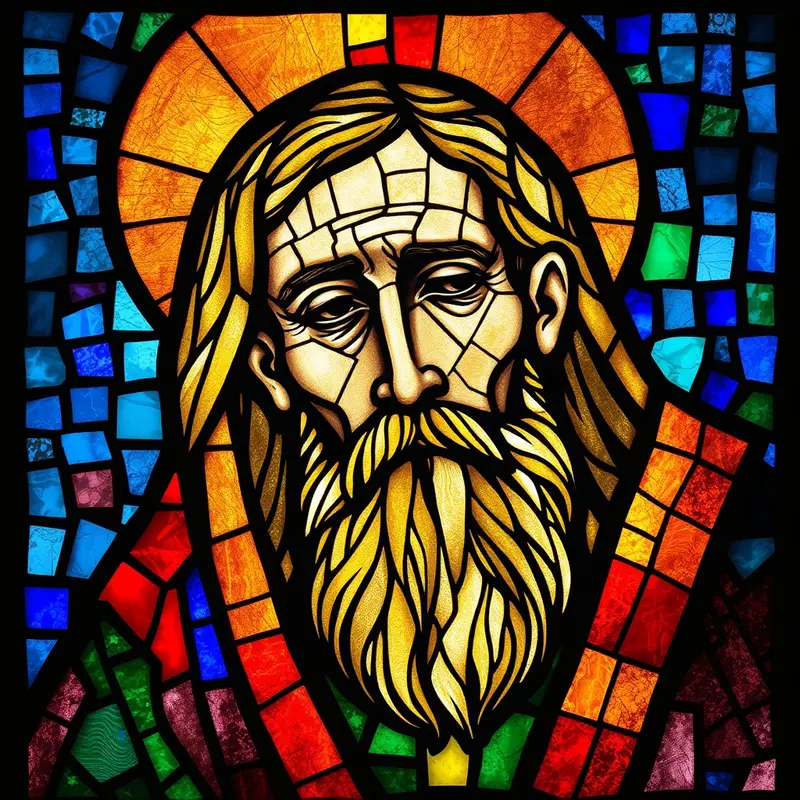
Biography
Mattaniah was a Levite who served as a treasurer or storehouse keeper during the time of Nehemiah's governorship in Jerusalem (Nehemiah 13:13). When Nehemiah discovered that the Levites had been neglected and the temple storerooms mismanaged during his temporary absence from Jerusalem, he appointed trustworthy officials to oversee the collection and distribution of tithes and offerings. Mattaniah was selected alongside Shelemiah the priest, Zadok the scribe, and Pedaiah for this critical administrative role. Their appointment was based on their reputation for faithfulness, and they were charged with ensuring the equitable distribution of provisions to their fellow Levites. This position of financial stewardship required both integrity and organizational competence in managing the resources that sustained temple worship.
Significance
Mattaniah the Levitical treasurer exemplifies the biblical principle that faithful stewardship of material resources is essential to sustaining spiritual ministry. Nehemiah's selection criteria, choosing those who were "considered faithful" (Nehemiah 13:13), underscores that financial oversight in God's house demands moral character above all else. Mattaniah's appointment came in response to a crisis where neglect of the Levites had caused them to abandon their temple duties, illustrating how administrative failure can directly undermine worship. His role demonstrates that the practical work of managing tithes and storehouses is itself a sacred calling, vital to the functioning of God's covenant community and the support of those consecrated for full-time ministry.
Verse Appearances (1)
Nehemiah
References
- Orr, J. (ed.) (1915) The International Standard Bible Encyclopedia. Chicago: Howard-Severance Company. [Public Domain]
- Tyndale House, Cambridge (n.d.) Translators Individualised Proper Names with all References (TIPNR). STEPBible. Available at: https://www.stepbible.org. [CC BY 4.0]
- Wikidata contributors (n.d.) Wikidata. Available at: https://www.wikidata.org. [CC0]
- Church of England (1769) The Holy Bible, Authorized (King James) Version. [Public Domain]