
Mesha
Mesha, a son of Caleb, was the father (ie founder) of Ziph (1Ch.2.42).
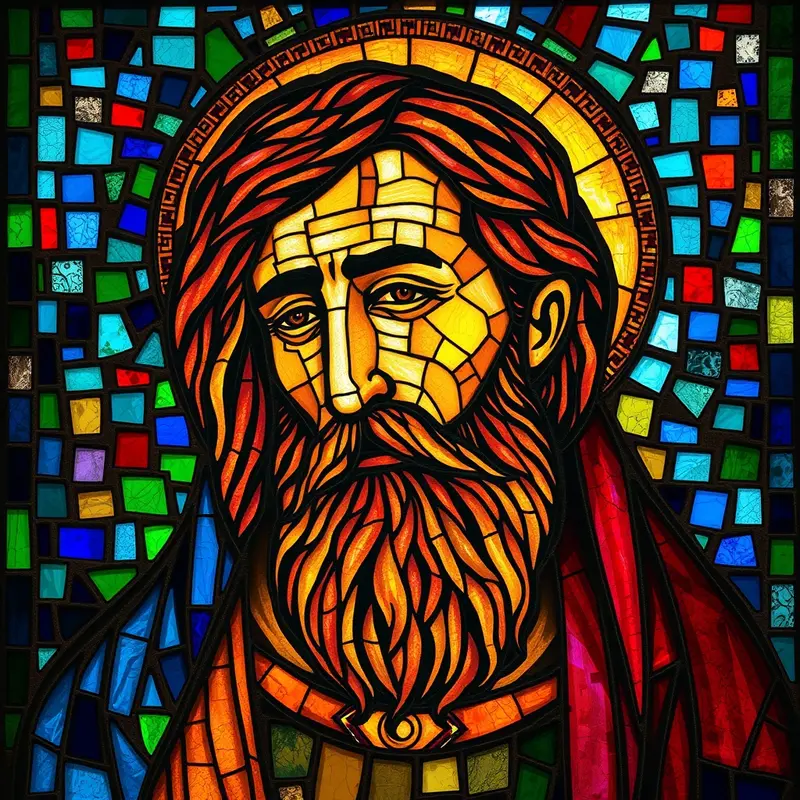
Biography
Mesha son of Caleb is mentioned in the genealogical records of 1 Chronicles 2:42, where he is identified as the firstborn of Caleb (by his concubine) and described as the father of Ziph. In the idiom of Chronicles, being the "father" of a place typically means being its founder or the ancestral head of the community that settled there. Ziph was a town in the hill country of Judah that later appears in the narrative of David's fugitive years, when the Ziphites betrayed David's hiding place to Saul (1 Samuel 23:19; 26:1). Mesha's genealogical placement connects him to the broader Calebite clan, a family known for its courage and faithfulness, whose territory was carved out of the rugged southern highlands of Judah near Hebron.
Significance
Mesha's role as founder of Ziph connects him to the territorial settlement of Judah and the fulfillment of God's land promises. The Calebite clan, from which Mesha descended, exemplified bold faith, Caleb himself being one of only two spies who trusted God's promise regarding Canaan (Numbers 14:6-9). As a town-founder, Mesha participated in the concrete realization of the inheritance promised to Judah, transforming wilderness into settled community. The genealogical records of Chronicles served the post-exilic community as a reminder that God's promises are fulfilled through specific families and places. Mesha's legacy, though briefly recorded, contributed to the network of Judean settlements that formed the heartland from which the Davidic dynasty and ultimately the Messiah would emerge.
Verse Appearances (1)
1Chr
References
- Orr, J. (ed.) (1915) The International Standard Bible Encyclopedia. Chicago: Howard-Severance Company. [Public Domain]
- Tyndale House, Cambridge (n.d.) Translators Individualised Proper Names with all References (TIPNR). STEPBible. Available at: https://www.stepbible.org. [CC BY 4.0]
- Wikidata contributors (n.d.) Wikidata. Available at: https://www.wikidata.org. [CC0]
- Church of England (1769) The Holy Bible, Authorized (King James) Version. [Public Domain]