
Micah
Micah, a Levite and son of Uzziel, served during the reign of King David (1Ch.23.20; 24.24,25).
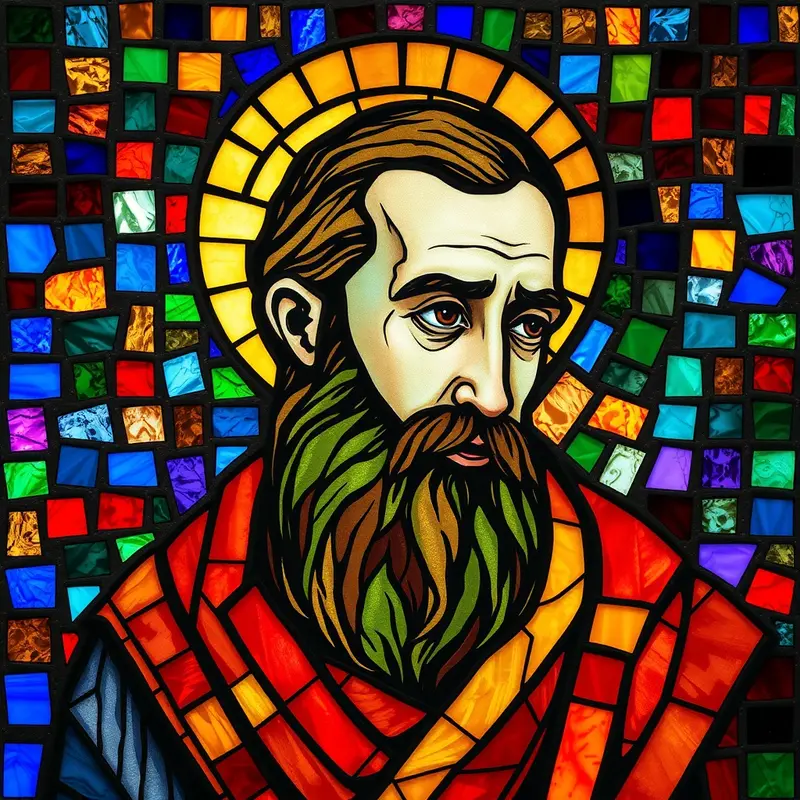
Biography
Micah was a Levite of the Kohathite clan, identified as a son of Uzziel, who served during the organization of temple worship under King David. He appears in 1 Chronicles 23:20 and 24:24-25 within the detailed administrative records of Levitical duties that David established in preparation for Solomon's temple. Micah and his brother Isshiah led their family division, which was assigned specific responsibilities in the rotation of temple service. David's comprehensive organization of the Levites into twenty-four divisions ensured that worship would be conducted in an orderly and continuous manner. As a descendant of Kohath through Uzziel, Micah belonged to one of the three great Levitical families charged with the most sacred aspects of tabernacle and temple service since the days of Moses.
Significance
Micah's service within David's Levitical organization reflects a crucial transitional moment in Israel's worship history. David's systematic arrangement of priestly and Levitical duties transformed worship from the portable tabernacle model into the permanent temple system that would define Jewish religious life for centuries. Micah's faithfulness within this structure demonstrates that organized, institutional worship is not opposed to genuine spiritual devotion but rather channels it effectively. The Kohathite lineage carried special sacred responsibilities dating back to the wilderness period, and Micah's continued service in this tradition shows the unbroken thread of worship that connected Moses's tabernacle to Solomon's temple, preserving the holiness and order that God required.
Verse Appearances (3)
References
- Orr, J. (ed.) (1915) The International Standard Bible Encyclopedia. Chicago: Howard-Severance Company. [Public Domain]
- Tyndale House, Cambridge (n.d.) Translators Individualised Proper Names with all References (TIPNR). STEPBible. Available at: https://www.stepbible.org. [CC BY 4.0]
- Wikidata contributors (n.d.) Wikidata. Available at: https://www.wikidata.org. [CC0]
- Church of England (1769) The Holy Bible, Authorized (King James) Version. [Public Domain]