
Nahbi
Nahbi, the son of Vophsi, was the representative from the tribe of Naphtali among the twelve spies sent to explore Canaan.
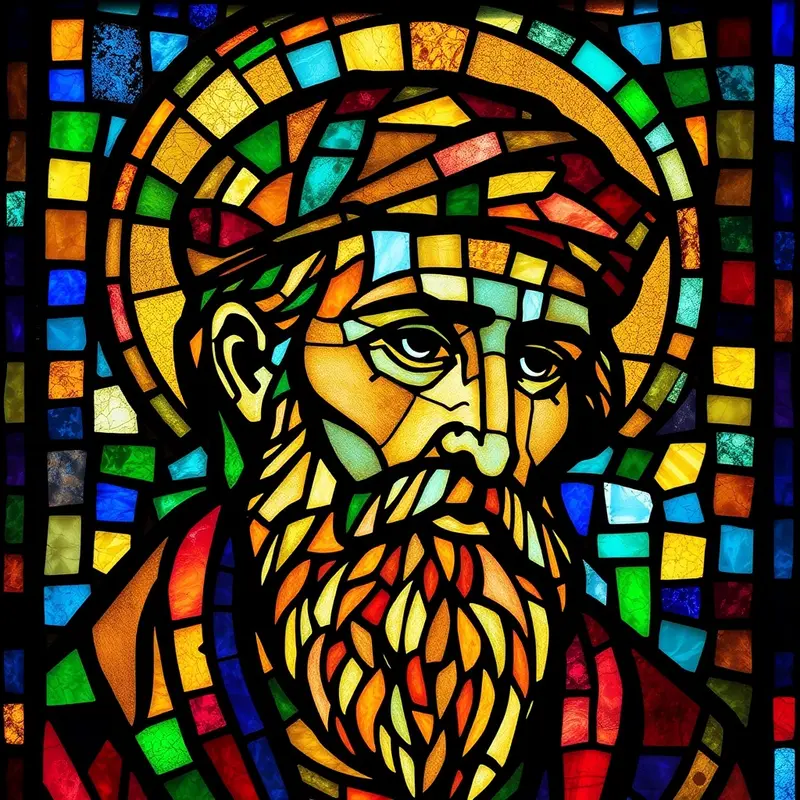
Biography
Nahbi, the son of Vophsi, represented the tribe of Naphtali as one of the twelve spies Moses sent to reconnoiter the land of Canaan (Numbers 13:14). Selected from among the tribal leaders, he was entrusted with the critical mission of assessing the land's fertility, its fortifications, and the strength of its inhabitants. The twelve spies spent forty days exploring Canaan from the wilderness of Zin to Rehob near the entrance of Hamath. Upon their return, Nahbi was among the ten spies who delivered a fearful report, declaring that the land's inhabitants were too powerful to overcome and describing the Canaanites as giants who made the Israelites seem like grasshoppers (Numbers 13:31-33). This faithless report led to Israel's forty years of wilderness wandering as divine judgment.
Significance
Nahbi stands as a cautionary example of how fear and unbelief can hinder God's people from entering into His promises. Despite having witnessed the Lord's miraculous deliverance from Egypt, the parting of the Red Sea, and divine provision in the wilderness, Nahbi and nine other spies allowed the visible obstacles to eclipse their trust in God's power. Their failure contrasts sharply with the faith of Joshua and Caleb, who urged the people to trust the Lord. Nahbi's story teaches that spiritual perception is not merely about accurate observation of circumstances but about interpreting those circumstances through the lens of God's faithfulness and promises. Fear-driven counsel can lead an entire community astray.
Verse Appearances (1)
Numbers
References
- Orr, J. (ed.) (1915) The International Standard Bible Encyclopedia. Chicago: Howard-Severance Company. [Public Domain]
- Tyndale House, Cambridge (n.d.) Translators Individualised Proper Names with all References (TIPNR). STEPBible. Available at: https://www.stepbible.org. [CC BY 4.0]
- Wikidata contributors (n.d.) Wikidata. Available at: https://www.wikidata.org. [CC0]
- Church of England (1769) The Holy Bible, Authorized (King James) Version. [Public Domain]