
Nebaioth
Nebaioth, the firstborn son of Ishmael, was the ancestor of a tribe known for their flocks and mentioned in Isaiah's prophecy of future blessing.
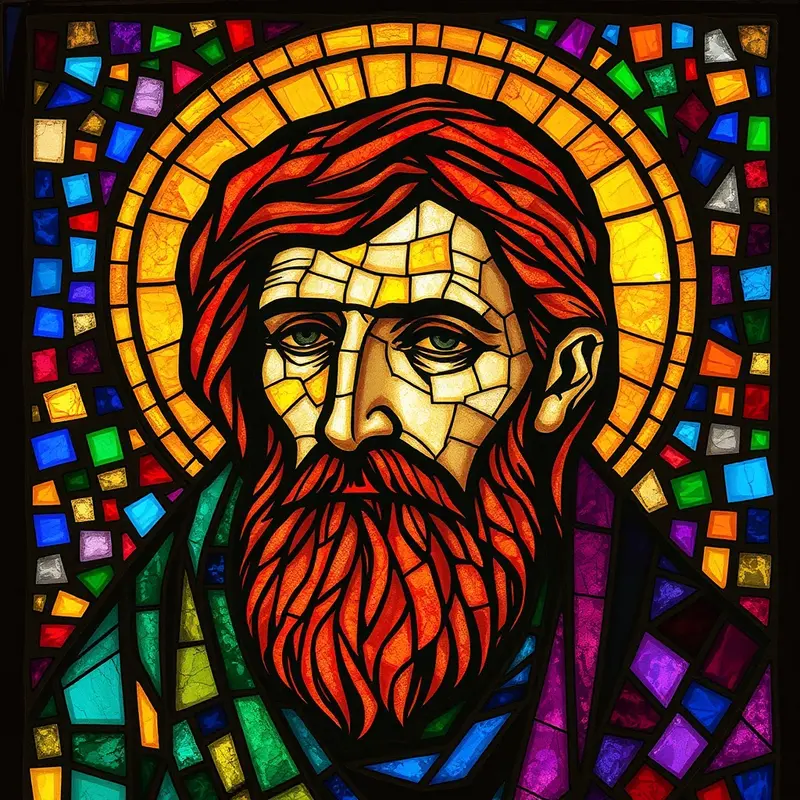
Biography
Nebaioth was the firstborn son of Ishmael, Abraham's son through Hagar, making him a grandson of the patriarch Abraham (Genesis 25:13; 1 Chronicles 1:29). As the eldest of Ishmael's twelve sons, Nebaioth held a position of prominence within the Ishmaelite tribal confederation that inhabited the Arabian desert regions. His sister Mahalath (also called Basemath) married Esau, Jacob's brother, forging a connection between the Ishmaelite and Edomite peoples (Genesis 28:9; 36:3). Nebaioth became the ancestor of a significant Arabian tribe known for pastoral wealth, particularly their flocks of sheep and rams. The prophet Isaiah envisioned these flocks serving God's purposes in the messianic age, declaring that "the rams of Nebaioth shall minister to you" upon the altar of a restored Jerusalem (Isaiah 60:7), indicating a future ingathering of nations into God's worship.
Significance
Nebaioth's story intersects with several major biblical themes. As Ishmael's firstborn, he inherited God's promise that Ishmael would become a great nation and father twelve princes (Genesis 17:20), demonstrating that divine blessing extended beyond the covenant line of Isaac. His tribal descendants' appearance in Isaiah's eschatological vision (Isaiah 60:7) is particularly striking: the prophet envisions Nebaioth's flocks being offered on God's altar, symbolizing the incorporation of Gentile nations into the worship of Yahweh. This prophecy anticipates the New Testament's vision of universal salvation. Nebaioth thus serves as a reminder that God's redemptive plan, while channeled through Israel, ultimately embraces all of Abraham's descendants and, by extension, all peoples of the earth.
Verse Appearances (5)
References
- Orr, J. (ed.) (1915) The International Standard Bible Encyclopedia. Chicago: Howard-Severance Company. [Public Domain]
- Tyndale House, Cambridge (n.d.) Translators Individualised Proper Names with all References (TIPNR). STEPBible. Available at: https://www.stepbible.org. [CC BY 4.0]
- Wikidata contributors (n.d.) Wikidata. Available at: https://www.wikidata.org. [CC0]
- Church of England (1769) The Holy Bible, Authorized (King James) Version. [Public Domain]